Explore our top-tier catalog of metal building envelopes, industrial tubing, and structural profiles designed for extreme environments.
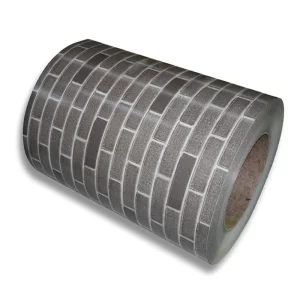
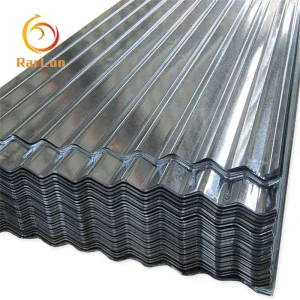
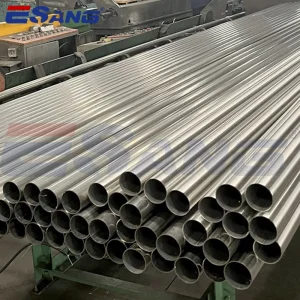
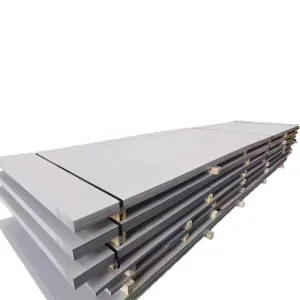
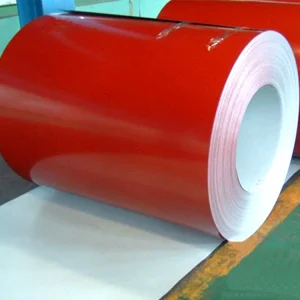
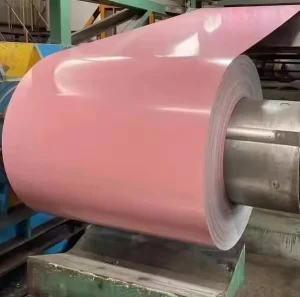
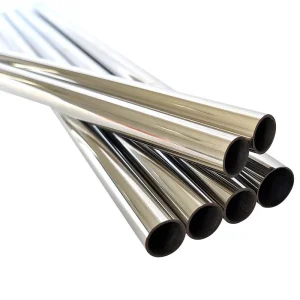
In modern industrial manufacturing, structural integrity depends not only on the primary substrates like carbon steel, prepainted galvanized steel, or anodized aluminum profiles but also on the chemical formulations that bind, seal, and isolate these joints. Industrial sealing compounds form the invisible barrier protecting infrastructure from atmospheric degradation, galvanic corrosion, fluid loss, and thermal fluctuation stresses.
Historically, default off-the-shelf sealants were utilized across standard projects. However, the rise of extreme engineering requirements—such as high-speed transportation corridors, deep-water infrastructure, offshore energy extraction, and complex building skins—has highlighted the limitations of standard sealants. Today, multinational procurers rely on specialized OEM/ODM Sealing Compounds Manufacturers to synthesize customized formulations that match the exact thermal expansion coefficients of specific metal alloys, polymers, and glass assemblies.
The global market for sealing compounds is characterized by distinct geographical clusters. North American and European sectors focus on highly specialized, low-VOC (volatile organic compound) elastomeric formulations for aerospace, automotive, and high-tech cleanroom operations. Simultaneously, East Asia—led by China's advanced chemical zones—dominates high-volume, cost-efficient, and rapid-turnaround synthesis of polyurethane, modified silane (MS) polymers, and silicone structural sealants. This dual-market focus enables industrial projects to scale up and maintain reliable global supply chains.
| Polymer Family | Chemical Backbone | Primary Application | Movement Capability (ASTM C920) |
|---|---|---|---|
| Polyurethane (PU) | Isocyanate-cured Elastomers | Concrete Joints, Metal Building Cladding | ±25% to ±50% |
| Modified Silane (MS Polymer) | Silyl-terminated Polyether | Automotive, Cleanroom, Eco-friendly Projects | ±50% |
| Silicone (Structural) | Polysiloxane Networks | Curtain Wall Glazing, High-temp Gaskets | ±50% to ±100% |
| Acrylic / Butyl | Polyacrylate / Polyisobutylene | HVAC Ducts, Vapor Barriers, Lap Seams | ±12.5% |
Designing an optimized sealing system requires matching the chemical properties of the elastomer to the physical performance demands of the substrate.
Whether for vertical curtain wall glazing or horizontal bridge expansion joint self-leveling, the viscosity profile must be adjusted. Custom OEM formulations can alter slump resistance to avoid sag, or enhance extrusion flow rates for automated industrial application lines.
Different surfaces pose distinct adhesion challenges. Formulations require silane coupling agents that form covalent bonds with specific metal coatings, such as prepainted zinc-aluminum layers (PPGI/PPGL) or passivated stainless steel alloys, eliminating the need for separate primers.
Outdoor structural elements face UV radiation, ozone degradation, and thermal cycles from -40°C to +80°C. By selecting correct antioxidant packs and hindered amine light stabilizers (HALS), ODM developers ensure service lives exceeding 25 years.
Years Formulation Life
Global Standardization
Custom ODM Adaptability
Priming Required on Metals
In the procurement of industrial metals and sealing compounds, global buyers look to China's manufacturing sector for its capacity to offer scale, speed, and cost efficiency. China's industrial parks operate within a highly integrated supply chain. The proximity of petrochemical complexes—which synthesize raw silicone polymers, polyurethanes, and acrylic resins—to aluminum and steel extrusion plants reduces domestic raw material transit times and costs.
Logistics often determine the feasibility of global infrastructure projects. Operating out of major industrial hubs like Ningbo allows manufacturers to ship high-density structural products, such as seamless steel pipes, corrugated metal roofing panels, and bulk sealing compounds, with minimal delay. Ningbo-Zhoushan port, consistently ranked as one of the world's busiest container hubs, provides direct shipping lanes to major markets in North America, Europe, Southeast Asia, and the Middle East. This logistical infrastructure helps reduce lead times, minimize cargo transfers, and lower ocean freight costs for international buyers.
Chinese OEM/ODM manufacturing is no longer limited to high-volume replication. Modern plants host advanced R&D divisions equipped with gas chromatography, universal testing machines, and accelerated weathering chambers. This equipment allows technicians to customize products based on project-specific demands, including:
The performance of industrial metals and sealing compounds is best evaluated in real-world applications. Structural assemblies rely on the performance of both the metal and the sealant to ensure long-term durability.
Modern building designs make extensive use of corrugated roofing sheets and prepainted color-coated aluminum coils. These thin-gauge metal envelopes experience thermal expansion and contraction during daily solar cycles. Without high-elasticity joint sealants, the mechanical fasteners and lap joints will wear, leading to water ingress. Selecting an ODM silicone or MS polymer sealant that adheres to coated metal finishes prevents leaks and maintains building envelope integrity.
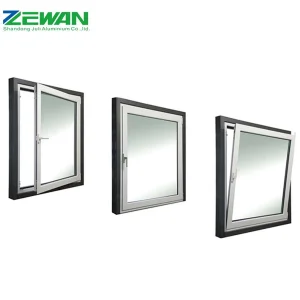
Thermal break aluminum window profiles and sliding frame assemblies require sealing systems that prevent air and water infiltration. During assembly, joint compounds are applied to corner joints, screw ports, and structural glass-to-metal interfaces. These compounds must resist shear forces from wind loads while maintaining adhesion to anodized or powder-coated aluminum surfaces.
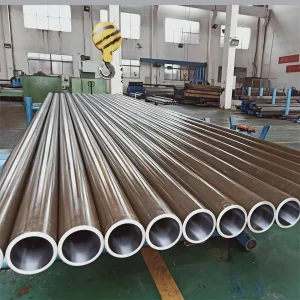
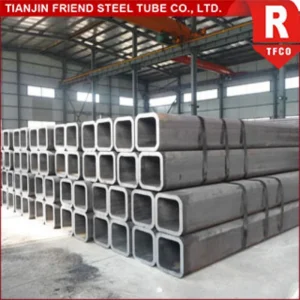
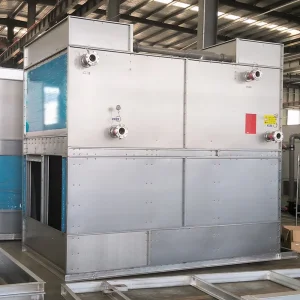
For high-pressure lines using galvanized square pipes or seamless steel tubes, sealing compounds act as thread sealants and anaerobic flange sealants. In wastewater treatment facilities, cooling towers, and petrochemical plants, these materials must resist biodegradation, mild chemical exposure, and constant vibration without cracking.
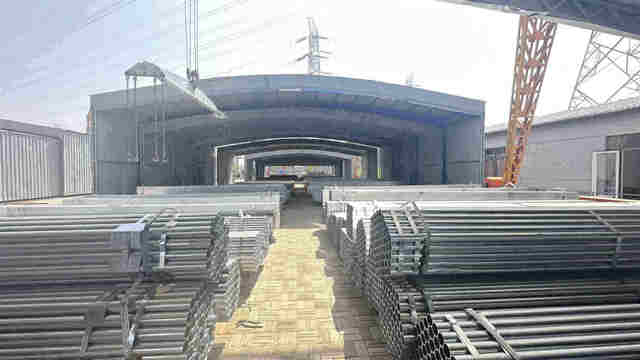
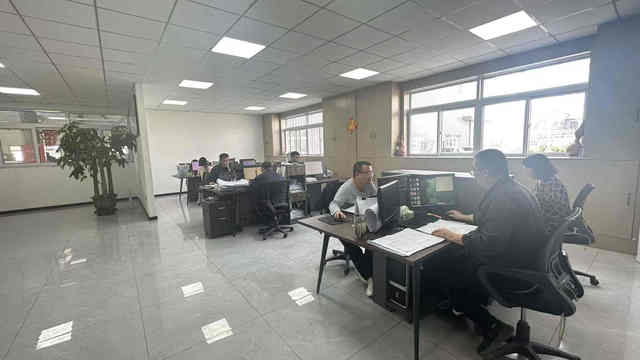
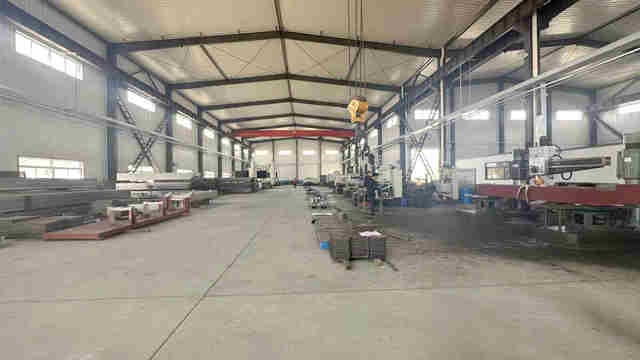
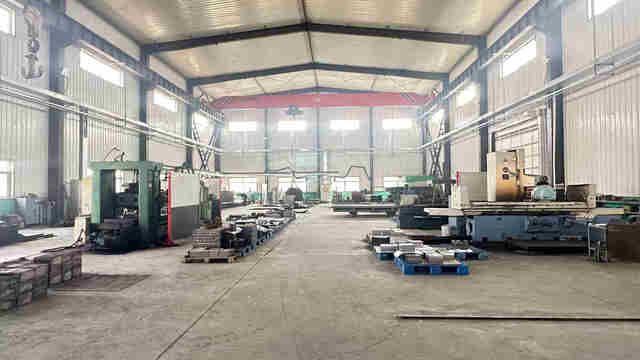
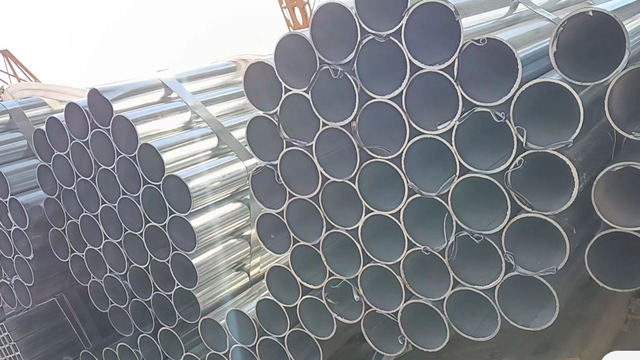
Ningbo Ramparts BuildCore Co., Ltd. is a leading industrial metal solutions supplier in China, specializing in the manufacturing and global distribution of seamless steel pipes, galvanized steel products, aluminum materials, and corrugated steel plates. Strategically located in Ningbo, a major port city, the company benefits from efficient logistics and strong supply chain capabilities, enabling fast and reliable delivery to international markets.
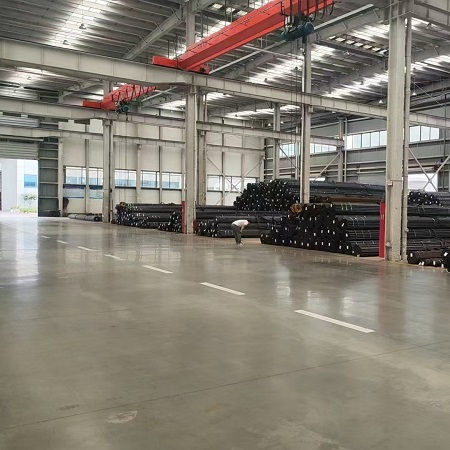
With advanced production lines and strict quality management systems, Ramparts BuildCore ensures that all products meet recognized industry standards and project requirements. Its product portfolio is widely applied in construction, infrastructure, energy, transportation, and industrial manufacturing sectors, offering durability, corrosion resistance, and high structural performance.
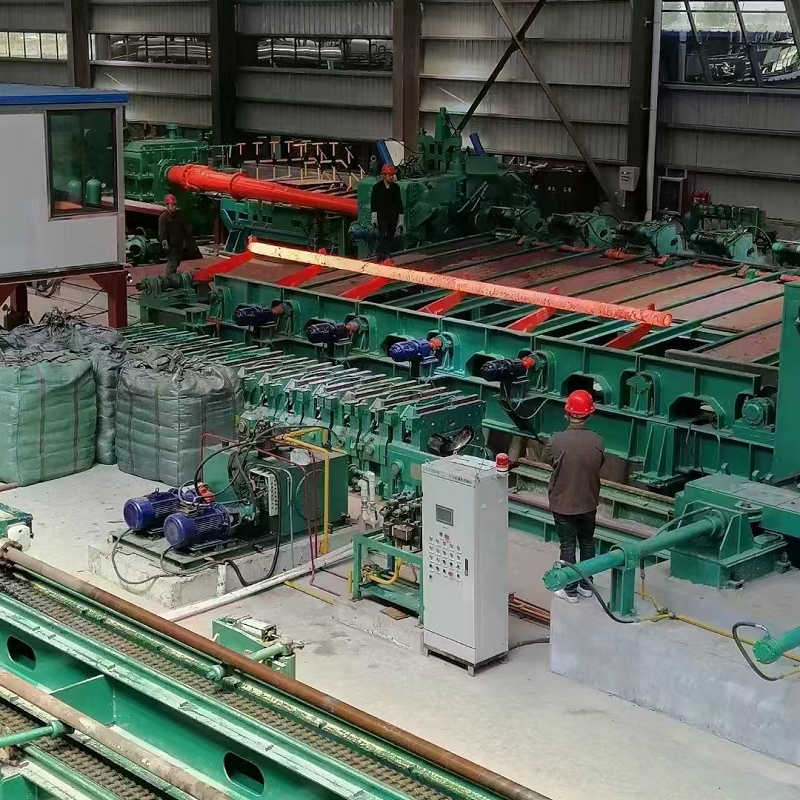
The company is committed to providing customized metal solutions tailored to diverse client needs, including specific dimensions, surface treatments, and material grades. Backed by an experienced technical team and responsive customer service, Ramparts BuildCore supports clients from product selection to project execution.
Focusing on innovation, quality, and long-term partnerships, Ningbo Ramparts BuildCore continues to expand its global presence, delivering cost-effective and reliable metal materials that help customers build stronger, safer, and more efficient projects worldwide.
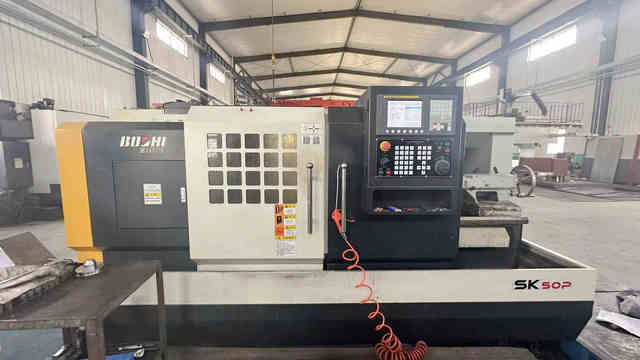
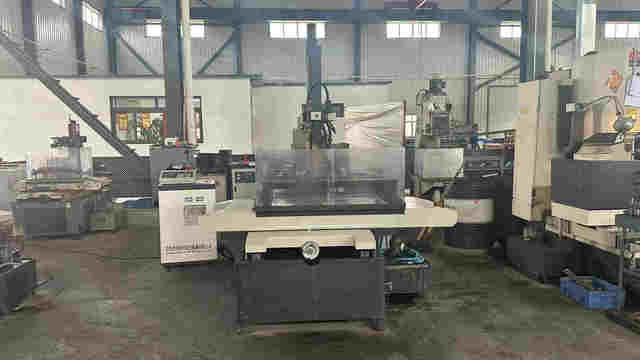
The global construction and industrial manufacturing sectors are shifting toward environmentally responsible and high-durability products. Sourcing professionals must adapt to changing regulations and technical advancements when choosing partners for OEM/ODM sealing compounds and industrial metals.
Worldwide green building rating systems, such as LEED and BREEAM, enforce strict limits on Volatile Organic Compound (VOC) emissions. Standard solvent-based adhesives are being replaced by high-performance MS polymers and water-based acrylic sealants. Formulations must comply with REACH, RoHS, and local environmental standards while maintaining structural performance.
Automation at the construction site is driving the adoption of pre-applied sealant solutions. Industrial components, like metal panels, structural pipe systems, and window framing extrusions, are increasingly supplied with pre-applied sealants or gaskets. This approach reduces manual field installation, minimizes errors, and speeds up project completion.
Key technical insights to guide procurement and engineering decisions for industrial sealing and metal solutions.
MS Polymer (Modified Silane) sealants offer paintability, excellent adhesion to varied substrates, and low VOC levels, though they are typically more expensive. Polyurethane (PU) sealants provide high mechanical strength and joint movement capability at a lower cost, but can degrade under UV exposure over time. Silicone sealants offer high temperature and UV resistance, making them suitable for structural glazing, but they generally cannot be painted.
To avoid adhesion issues, make sure the substrate is dry and clean of oils, dust, and rust. For challenging coatings like passivated zinc-aluminum or Kynar 500 finishes, specify a formulation with silane adhesion promoters. Testing joint compatibility on-site before full application is recommended.
We support a variety of packaging formats, including 300ml cartridges, 600ml foil sausages, and 200L bulk drums. We also offer private labeling services, allowing products to be customized with your brand logo, regulatory certifications, and specific safety data sheets (SDS) matching target market requirements.
Being situated near Ningbo-Zhoushan port gives us direct access to international maritime shipping networks. This location helps lower inland transportation costs, simplifies custom clearances, and reduces transit times. These logistics benefits help keep bulk metal shipments and sealing compound deliveries on schedule.
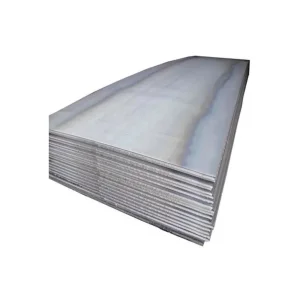
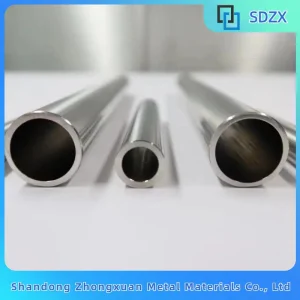
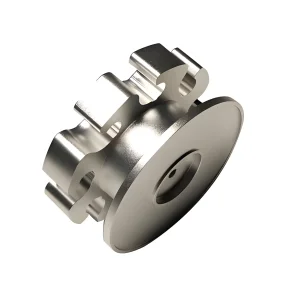
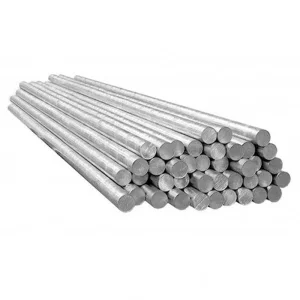
Explore our structural profiles, high-strength plates, and specialized industrial piping components.
 Ramparts BuildCore