Engineered to ISO, ASTM, AISI, and DIN standards for harsh mechanical environments, high-load infrastructure, and industrial fabrication.
Analyzing global demand shifts, metallurgical advancements, and strategic sourcing trends across heavy manufacturing and civil engineering.
In the contemporary industrial architecture and heavy mechanical assembly sector, the term Fastening Systems has evolved far beyond standard off-the-shelf screws, bolts, and hardware. Today, a modern industrial fastening system encapsulates an integrated structural ecosystem—combining high-tensile alloy fasteners, precision cold-drawn seamless tubing, continuous rolled structural metal sheets, custom extruded load-bearing profiles, and specialized anti-corrosion surface treatments. As global engineering designs demand higher power-to-weight ratios, operational durability under extreme thermal cycling, and compliance with stringent environmental regulations, the selection of qualified China fastening systems factories has become a pivotal strategic decision for global Procurement Executives, EPC (Engineering, Procurement, and Construction) Directors, and Tier-1 Automotive Manufacturers.
According to recent metallurgical market intelligence, the global market for industrial industrial metal fasteners and structural joining solutions is projected to expand at a CAGR of 5.8% through 2032, propelled by massive worldwide investments in clean energy infrastructure, electric vehicle (EV) chassis lightweighting, high-speed rail networks, and modular building construction. Achieving structural reliability across these multi-decade projects requires unwavering material integrity. Whether deploying AISI 316L stainless steel plates in marine environments, 6061-T6 structural aluminum alloys in solar PV racking systems, or 4130/42CrMo chromoly seamless tubes in high-vibration automotive powertrains, understanding the underlying material science and precision manufacturing capabilities of top Chinese producers provides global buyers with a distinct competitive advantage.
A rigorous comparative analysis of technical alloy grades, tensile thresholds, and corrosion resistance metrics for global engineering design.
Optimal fastener performance hinges upon matching the chemical composition and mechanical properties of raw metals to their intended operational stress state. Top China fastening systems factories leverage computer-controlled induction heating, automated multi-station cold heading, and inert gas vacuum heat treatment to achieve ultra-precise yield strength, shear resistance, and fatigue limits.
Failure in heavy-duty fastening systems rarely occurs from static overload alone; it is predominantly triggered by stress-corrosion cracking (SCC), hydrogen embrittlement during electroplating, or galvanic corrosion when dissimilar metals interact without insulating coatings. Advanced Chinese factories mitigate these failure modes through vacuum degasification of alloy melts and precise application of organic fluorocarbon, hot-dip galvanizing, or zinc-nickel electro-coatings.
| Material Category | Alloy Standard Grade | Tensile Strength (MPa) | Yield Strength (MPa) | Corrosion Resistance Rating | Primary Industrial Application |
|---|---|---|---|---|---|
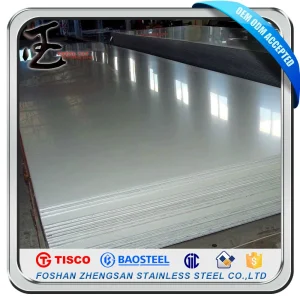
| Austenitic Stainless | AISI 304 / 316L / 904L | 520 - 750 | 210 - 310 | High to Extreme (C4/C5-M) | Chemical Processing, Marine Framing, Food Machinery |
| Duplex Stainless Steel | 2205 / UNS S31803 | 655 - 880 | 450 - 550 | Ultra-High (Pre-Pitting 34+) | Offshore Oil & Gas Rigs, Desalination Plants |
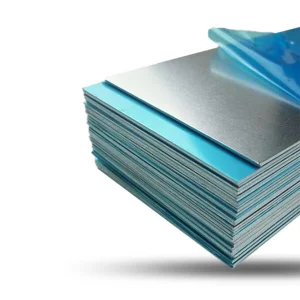
| Structural Aluminum | 6061-T6 / 6063-T5 / 6082-T6 | 290 - 310 | 240 - 260 | Excellent (Anodized 15-25µm) | Solar Panel Racking, EV Structural Stamping, Architectural Curtain Walls |
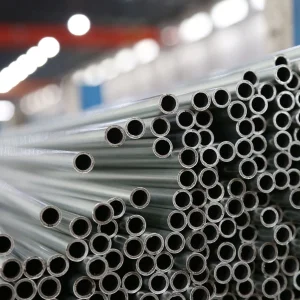
| Alloy Seamless Steel | 4130 / 4140 / 30CrMo / 42CrMo | 850 - 1080 | 680 - 930 | Medium (Phosphated/Oil Dipped) | High-Vibration Automotive Suspension, Hydraulic Cylinders |
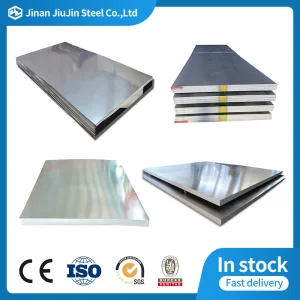
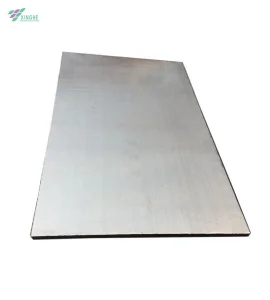
| Carbon Steel Plates | Q235B / SS400 / ASTM A36 / S355JR | 400 - 630 | 235 - 355 | Standard (HDG Coated 85µm) | Heavy Structural Building Columns, Bridge Girders, Boilers |
Combining automated cold-heading, real-time laser inspection, and strategic deep-water port logistics for streamlined global delivery.
The transformation of China's industrial manufacturing hub over the past decade represents a paradigm shift from volume-driven production to high-precision, smart-factory manufacturing. Leading industrial centers in coastal China have integrated Industry 4.0 IoT sensors, robotic pick-and-place material handling, continuous online eddy-current testing, and automated optical sorting machines capable of inspecting up to 1,200 fasteners per minute with sub-micron tolerance verification.
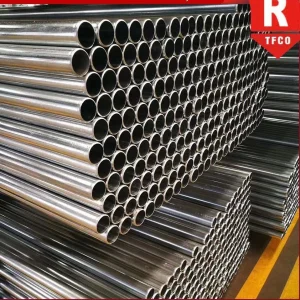
Ningbo Ramparts BuildCore Co., Ltd. is a leading industrial metal solutions supplier in China, specializing in the manufacturing and global distribution of seamless steel pipes, galvanized steel products, aluminum materials, and corrugated steel plates. Strategically located in Ningbo, a major port city, the company benefits from efficient logistics and strong supply chain capabilities, enabling fast and reliable delivery to international markets.
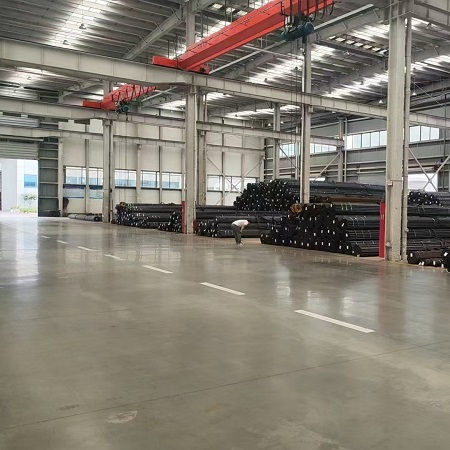
With advanced production lines and strict quality management systems, Ramparts BuildCore ensures that all products meet recognized industry standards and project requirements. Its product portfolio is widely applied in construction, infrastructure, energy, transportation, and industrial manufacturing sectors, offering durability, corrosion resistance, and high structural performance.
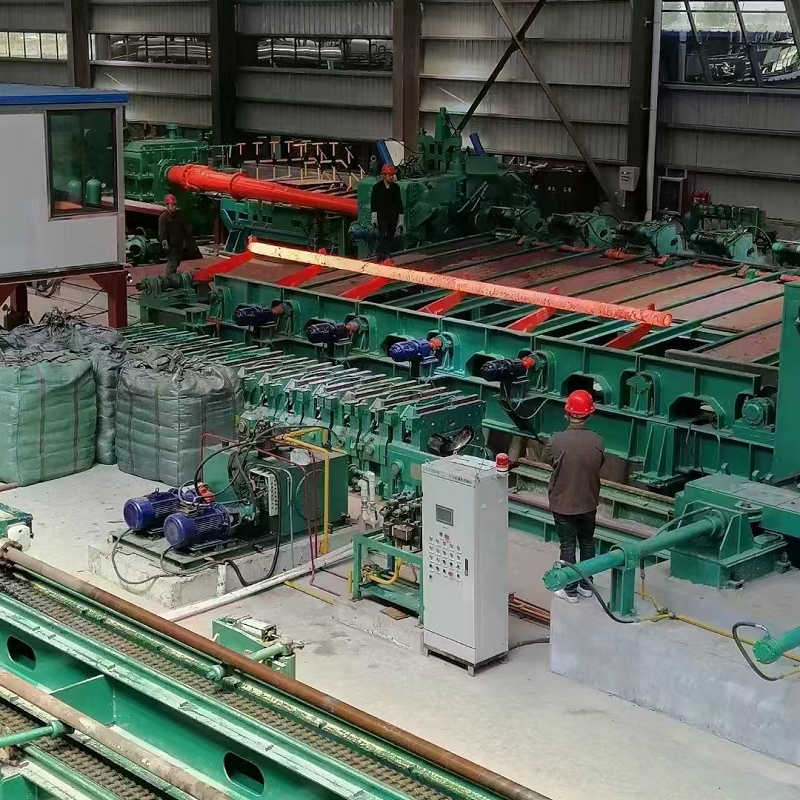
The company is committed to providing customized metal solutions tailored to diverse client needs, including specific dimensions, surface treatments, and material grades. Backed by an experienced technical team and responsive customer service, Ramparts BuildCore supports clients from product selection to project execution.
Focusing on innovation, quality, and long-term partnerships, Ningbo Ramparts BuildCore continues to expand its global presence, delivering cost-effective and reliable metal materials that help customers build stronger, safer, and more efficient projects worldwide.
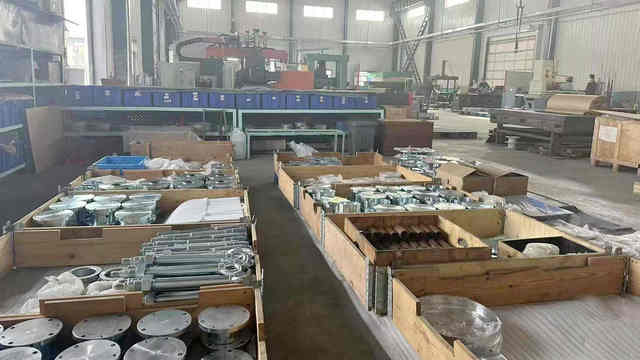
Inside Ningbo Ramparts BuildCore's Advanced Manufacturing & Inventory Complex
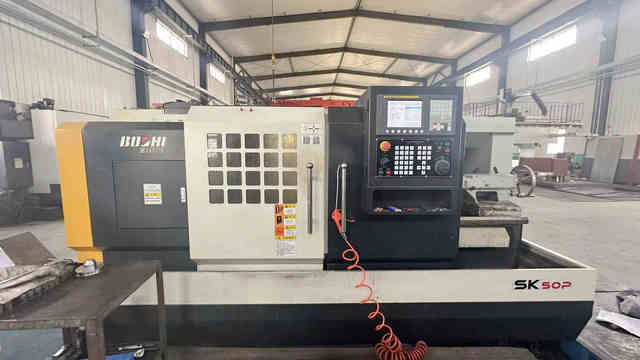
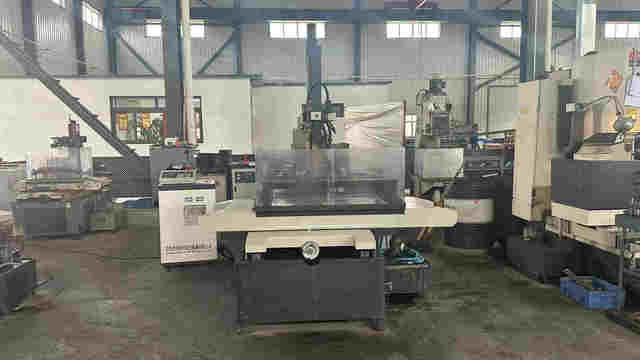
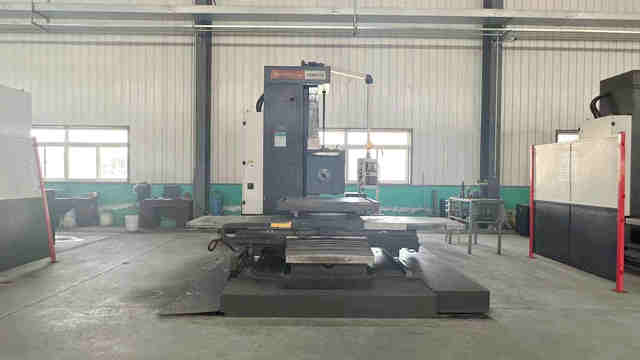
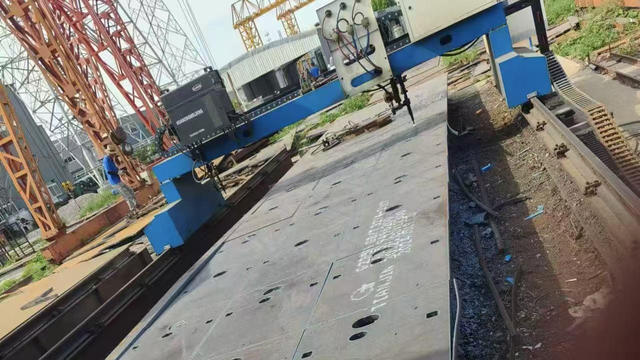
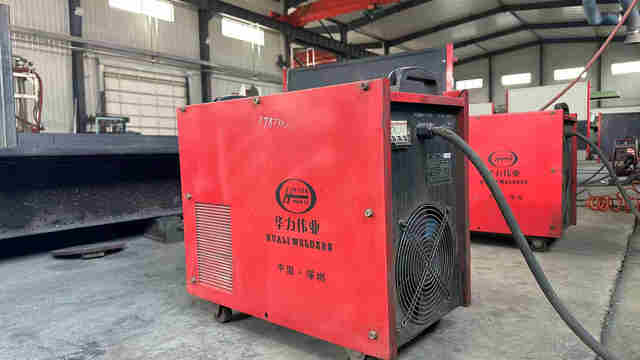
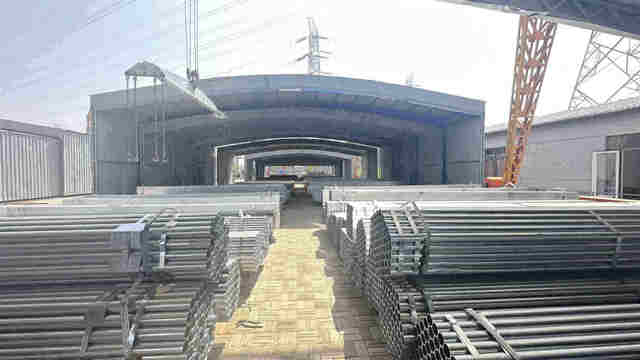
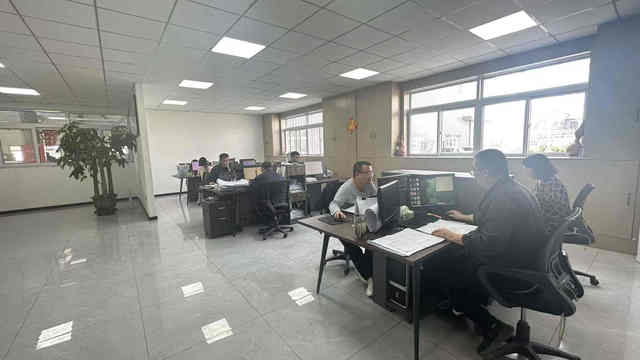
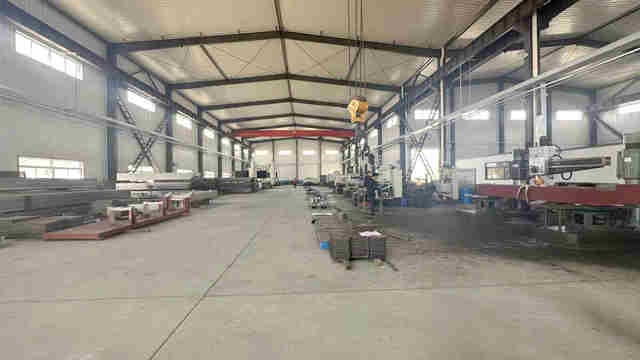
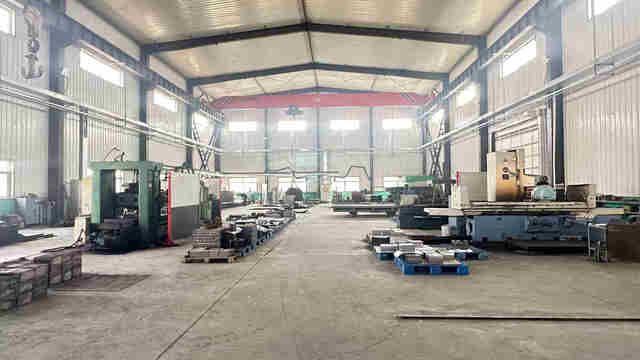
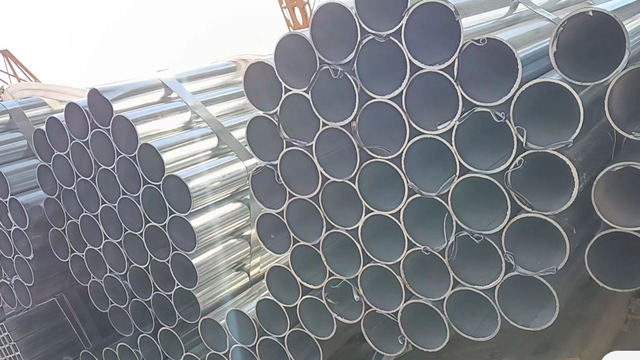
Exploring real-world industrial deployments across solar energy, automotive manufacturing, coastal infrastructure, and fluid conveyance systems.
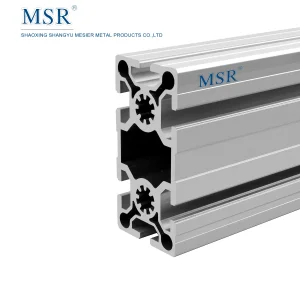
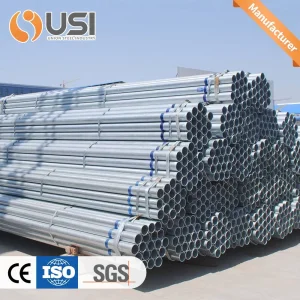
Structural integrity in utility-scale solar farms requires corrosion-resistant alloy components capable of enduring 25-year atmospheric exposure without red-rust degradation. Clear anodized aluminum extrusion profiles (OB50100A grade) and HDG steel mounting pipes provide high torsional rigidity under heavy wind loads (up to 2.4 kPa) and extreme snow accumulation, maintaining structural alignment across coastal salt-mist environments.
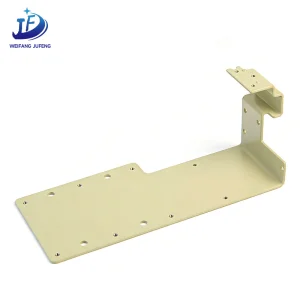
Vehicle lightweighting trends require high-yield heat-treated chromoly alloy seamless tubes (30CrMo / 42CrMo) and precision metal stampings. These components deliver extreme tensile strength (>900 MPa) under cyclic dynamic fatigue. Anodized aluminum stampings and precision-swaged steel tubes serve as essential chassis tie-rods, drive shaft assemblies, and structural battery-pack safety cages in modern EVs.
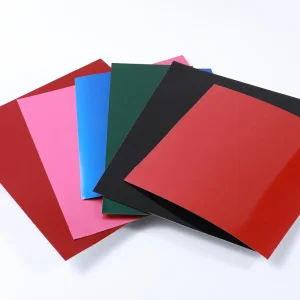
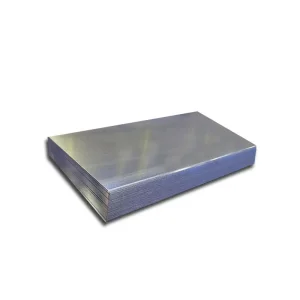
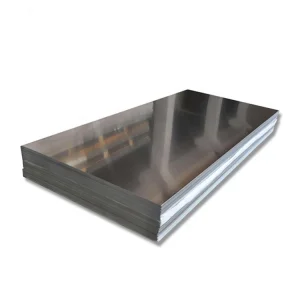
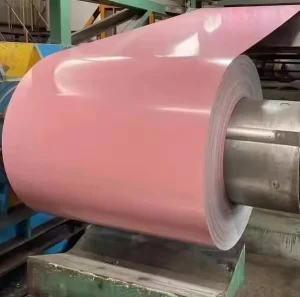
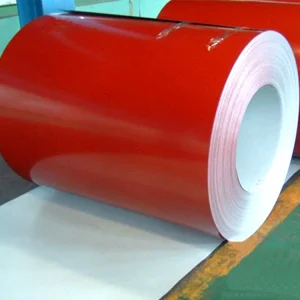
Architectural metal envelope installations utilize prepainted color-coated aluminum coils (1050 alloy) alongside PPGI steel coils to create airtight, weather-proof seam roofs. Combined with heavy boiler-quality carbon steel plates (Q235B / A36 / S355JR), these fastening and panel systems absorb structural thermal expansion while resisting wind-uplift shear stress in industrial warehouse construction.
Mitigating supply chain risks through certified chemical verification, non-destructive testing (NDT), and total cost of ownership (TCO) optimization.
Sourcing metal products and fastening hardware internationally requires strict verification protocols to guarantee that physical shipments match certified Mill Test Reports (MTR). Top China factories operate under fully integrated ISO 9001:2015, ISO 14001, and IATF 16949 quality management frameworks. International procurement teams should structure their Standard Operating Procedures (SOP) around three critical inspection gates:
How low-carbon metallurgical processing and smart structural components are shaping the future of global engineering.
The global metal fabrication landscape is rapidly transitioning toward green carbon-neutral manufacturing. Leading Chinese metal factories are investing heavily in electric arc furnace (EAF) recycling technologies, reducing the carbon footprint of structural steel plates and pipes by up to 60% compared to traditional blast furnace routes. Concurrently, the rise of Smart Structural Fasteners embedded with micro-piezoelectric sensors is revolutionizing infrastructure maintenance, allowing bridge operators and wind turbine engineers to remotely monitor real-time bolt pre-load tension and structural strain via IoT cloud networks.
Addressing core procurement questions, compliance standards, material selections, and export logistics.
Global buyers should verify ISO 9001:2015 for general quality control, ISO 14001 for environmental management, and IATF 16949 for automotive-grade components. Additionally, steel and aluminum components used in structural construction should comply with EN 10204 3.1 or 3.2 Material Test Certificates, ASTM standards (e.g., A53, A106, A36), and CE marking for European market distribution.
Ningbo Ramparts BuildCore utilizes advanced hot-dip galvanizing (HDG) achieving zinc coating thicknesses of 85µm or more, prepainted PVDF/PE color coatings on aluminum and steel coils, and clear anodizing (15-25µm) for aluminum profiles. Products undergo rigorous neutral salt spray testing (ASTM B117) to guarantee long-term resistance against salt fog, sulfur dioxide, and atmospheric humidity.
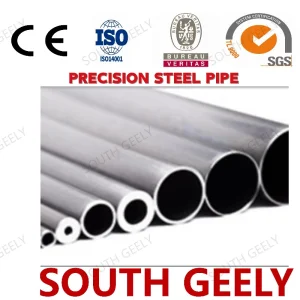
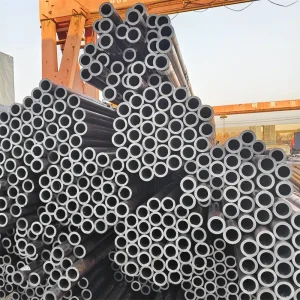
Seamless steel pipes are manufactured from solid round steel billets through hot-piercing or cold-drawing, resulting in a homogeneous metal wall with no seam. They withstand higher internal pressures and dynamic stresses (ideal for hydraulic and high-pressure steam applications). Precision welded pipes are formed from flat steel strip rolled and high-frequency welded (ERW); they offer tighter wall thickness tolerances and cost-efficiency for structural framing, fire fighting, and low-to-medium pressure fluid transport.
Ningbo hosts the Port of Ningbo-Zhoushan, the world's largest port by cargo throughput. Operating near this global logistics hub minimizes inland freight costs, provides direct weekly shipping routes to North America, Europe, Southeast Asia, and the Middle East, and enables rapid container consolidation, reducing overall procurement lead times by 7 to 10 days.
Yes. Leading Chinese manufacturing partners offer full OEM/ODM customization services. This includes custom chemical composition melting, specialized heat treatments (Quenched & Tempered, Annealed, Normalized), precision CNC stamping, custom extrusion dies for aluminum profiles (e.g., OB50100A series), and bespoke length cutting.
Aluminum 6061-T6 offers roughly one-third the weight of stainless steel with a high strength-to-weight ratio, making it ideal for solar mounting structures, aviation, and EV applications. However, AISI 304 stainless steel provides superior ultimate tensile strength, higher hardness, and better resistance to strong acidic environments. Selection depends on weight limitations versus absolute tensile load requirements.
Explore our complete inventory of alloy steel tubing, high-tensile plates, color-coated coils, and industrial structural profiles.
 Ramparts BuildCore