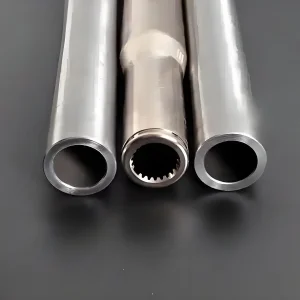
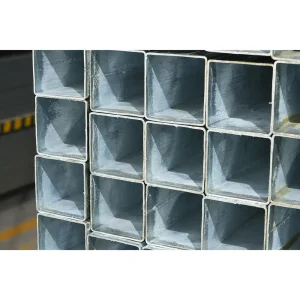
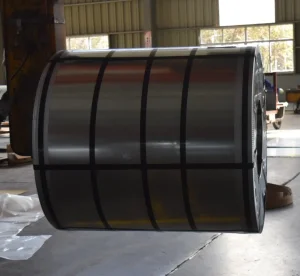
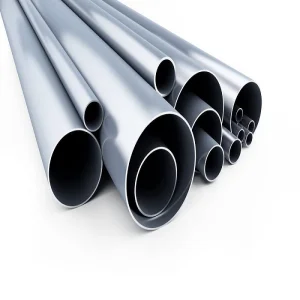
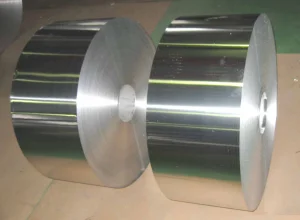
Premium grade metal configurations engineered to support heavy-duty pumping structures, mechanical seal systems, and complex fluid transport infrastructure.
Mechanical seals are the cornerstone of industrial fluid control, preventing leakage in pumps, mixers, and rotating equipment handling high-pressure or corrosive media. The operational longevity of these seals hinges on two major engineering parameters: the tribological matching of the sealing faces (e.g., Silicon Carbide vs. Carbon-Graphite) and the structural integrity of the seal glands, shafts, and sleeve housings.
To operate effectively under high PV (pressure-velocity) conditions, mechanical seals require robust piping structures. The surrounding conduit systems must supply cooling flushes, quench fluids, and barrier gases at precise pressures. This is where Ningbo Ramparts BuildCore Co., Ltd. bridges the gap by supplying superior industrial metal materials, ensuring that seal support systems (like API Plan 53A reservoirs and Plan 11 bypass lines) remain completely impervious to corrosion and high-velocity mechanical stresses.

Analyzing critical operational environments where seal reliability and metallurgical performance determine industrial uptime.
In modern process industries—including hydrocarbon processing, chemical refining, off-shore oil exploration, and energy generation—the mechanical seal acts as the primary barrier against environmental contamination and catastrophic product escape. With regulatory bodies enforcing zero-emission targets, mechanical sealing assemblies are mandated to meet stringent API 682 configurations. A sealing system, however, is only as secure as the metallurgy housing it. Mechanical seal glands, sleeves, and flush piping require tight tolerances and exceptional chemical resistance to withstand chloride stress corrosion cracking (CSCC) and erosion from particulate-heavy slurries.
Industrial operations in dynamic regions (such as North America, Western Europe, and Southeast Asia) demand standardized piping and alloy structures to simplify maintenance schedules. Utilizing high-grade seamless steel conduits and custom precision-machined aluminum casings, engineers can ensure structural consistency, minimizing the micro-vibrations that are often the root cause of premature seal face failure.

Ningbo Ramparts BuildCore Co., Ltd. is a leading industrial metal solutions supplier in China, specializing in the manufacturing and global distribution of seamless steel pipes, galvanized steel products, aluminum materials, and corrugated steel plates. Strategically located in Ningbo, a major port city, the company benefits from efficient logistics and strong supply chain capabilities, enabling fast and reliable delivery to international markets.
With advanced production lines and strict quality management systems, Ramparts BuildCore ensures that all products meet recognized industry standards and project requirements. Its product portfolio is widely applied in construction, infrastructure, energy, transportation, and industrial manufacturing sectors, offering durability, corrosion resistance, and high structural performance.
The company is committed to providing customized metal solutions tailored to diverse client needs, including specific dimensions, surface treatments, and material grades. Backed by an experienced technical team and responsive customer service, Ramparts BuildCore supports clients from product selection to project execution.
Leveraging deep industrial integration, raw material access, and advanced deep-water port systems for consistent global delivery.
Being headquartered in Ningbo gives us immediate proximity to the world's busiest container port, optimizing customs clearance and reducing transit times for global shipments.
Our upstream partnership network ensures a continuous, reliable source of raw iron ore and high-purity aluminum alloys, isolating our clients from market price shocks.
Every batch of seamless piping, customized aluminum extrusion, or structural support plate is tracked from melting furnace to final inspection to guarantee compliance.
Focusing on innovation, quality, and long-term partnerships, Ningbo Ramparts BuildCore continues to expand its global presence, delivering cost-effective and reliable metal materials that help customers build stronger, safer, and more efficient projects worldwide. The structural integrity of modern piping circuits relies heavily on supply chain traceability. Any variation in chemical composition (such as carbon, chromium, or nickel content) can lead to early failures at welded joints or seal gland connections. By operating a tightly controlled supply chain, we deliver structural assurance directly to critical heavy industrial operations.
Where high-performance metallurgy directly affects seal uptime, process efficiency, and environmental compliance.
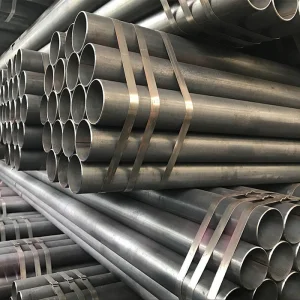
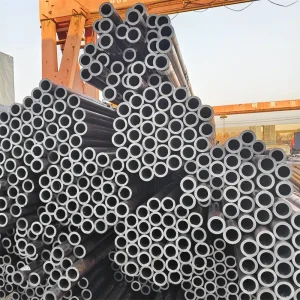
Processing volatile hydrocarbons requires double pressurized liquid barrier seals (API Plan 53B/C) to prevent leakage. Our seamless ASTM standard steel tubes provide high-pressure fluid lines that remain stable under severe vibration and thermal cycling.
Pulping processes handle high concentrations of abrasive wood fiber slurries. Seal flushes require clean water lines that must resist clogging. Our galvanized steel and aluminum conduits provide corrosion-resistant, smooth-walled pathways to maintain optimal clean flush pressure.
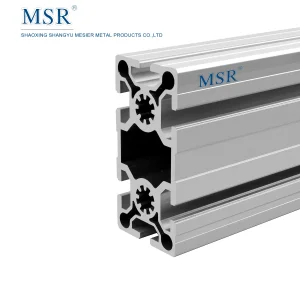
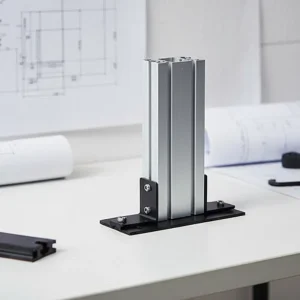
Large dynamic pumps rely on split mechanical seals for simple maintenance. The structural piping supplying the flushing system must conform to drinking water safety requirements, utilizing high-grade anodized profiles and non-reactive steel conduits.
Integration of temperature, pressure, and leakage micro-sensors directly within the metal gland housings of mechanical seals, transmitting continuous performance logs to plant DCS platforms.
Advancement in non-contacting dry gas seal face topography, reducing energy dissipation and sealing fluid consumption to near zero, designed to eliminate VOC emissions in hydrocarbon services.
Implementing next-generation high-entropy alloys into seal gland sleeves and piping systems, providing chemical resistance that exceeds Hastelloy and Duplex stainless steels under extreme pH levels.
Our metals and tubing systems are rigorously manufactured to conform with prominent international quality standards. Whether handling basic industrial water or hot hydrocarbon gases, compliance ensures structural safety and sealing integrity.
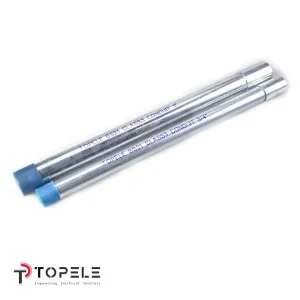
We supply products complying with ASTM A53, BS4568 Class 4, SANS 657/3, and others, ensuring seamless integration into local projects. By standardizing manufacturing metrics, we guarantee that all mechanical seal components, sleeves, and flush conduits fit together perfectly on-site without field adjustments.
In-depth responses to mechanical seals engineering, structural pipe integration, and material science inquiries.
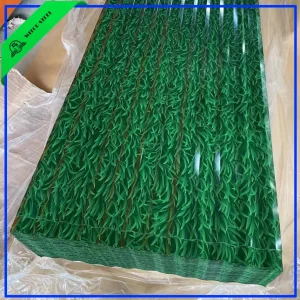
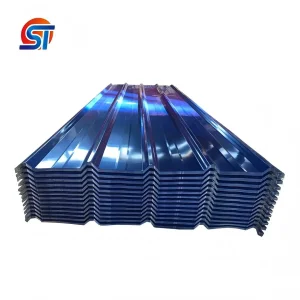
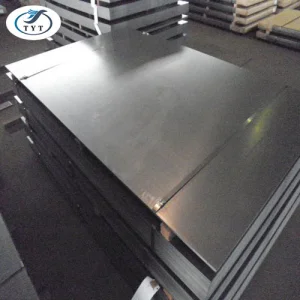
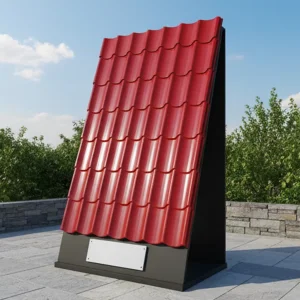
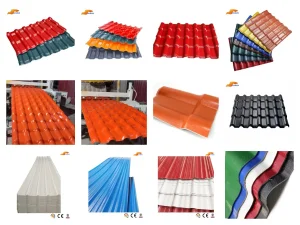
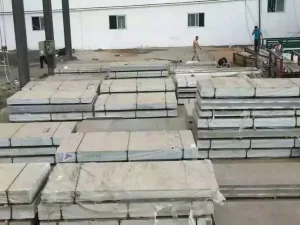
Browse our catalog of highly reliable industrial materials designed for mechanical structural systems, storage layouts, and fluid distribution networks.
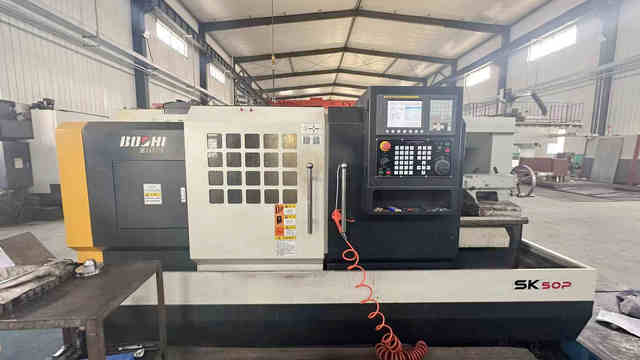
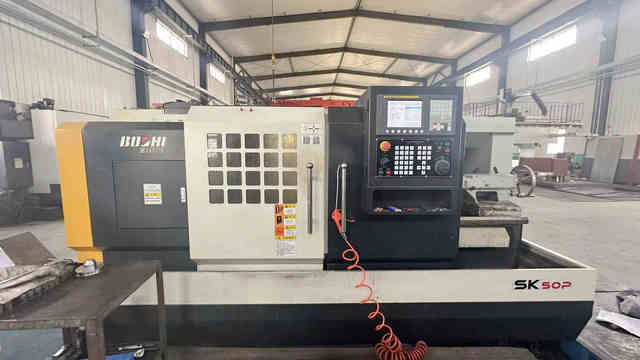
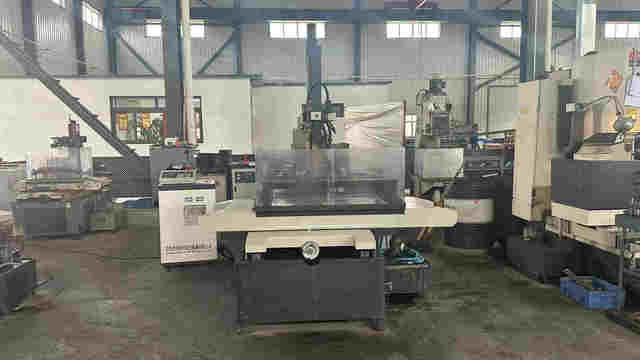
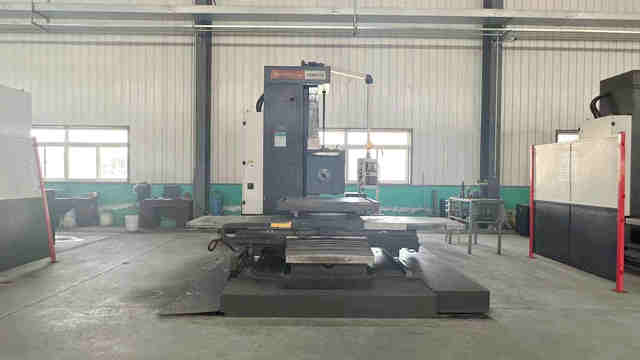
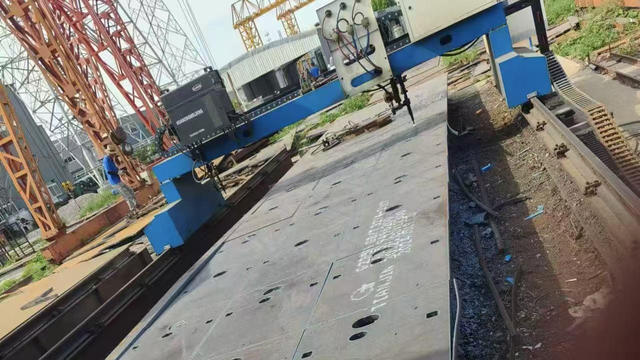
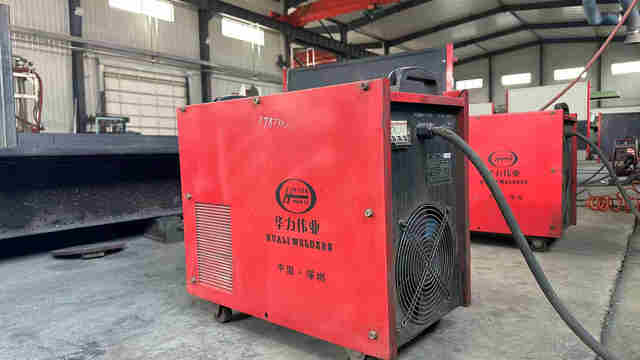
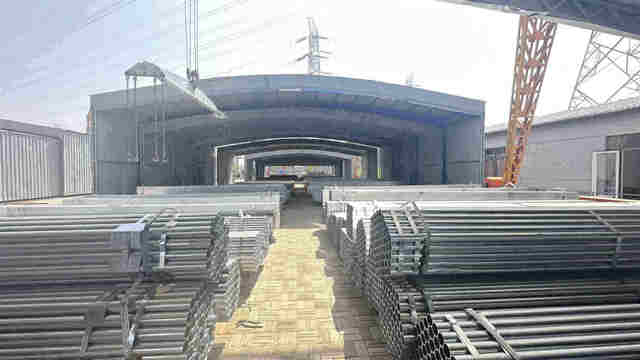
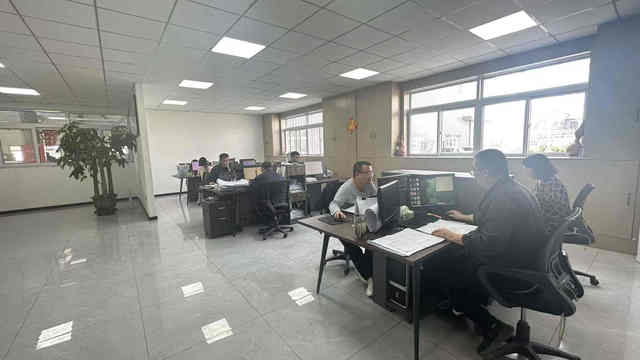
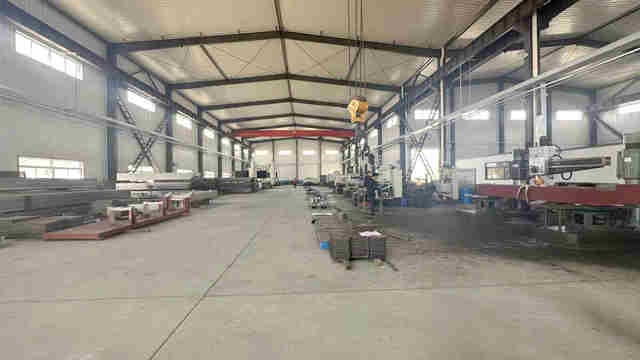
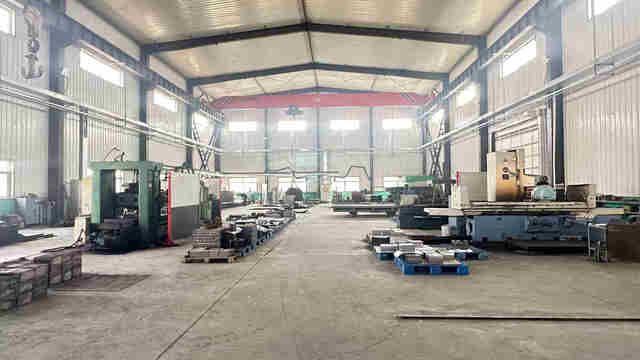
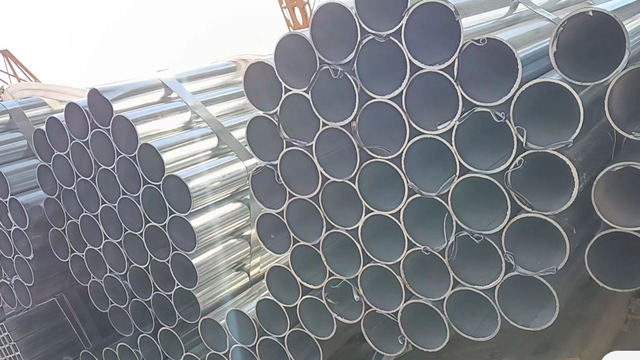
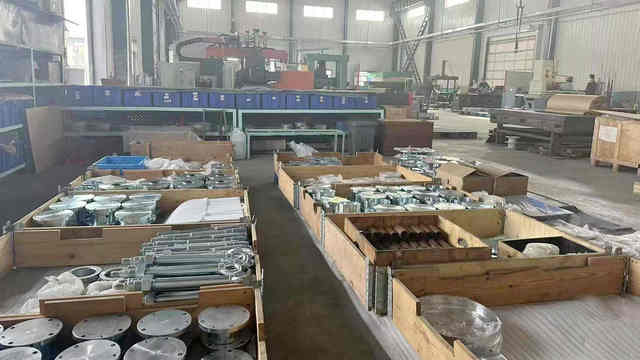
A visual walk-through of the manufacturing processes, precision extrusions, quality inspections, and strategic warehouse operations that drive Ningbo Ramparts BuildCore Co., Ltd.
 Ramparts BuildCore