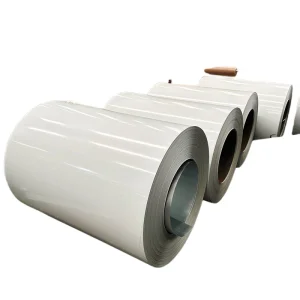
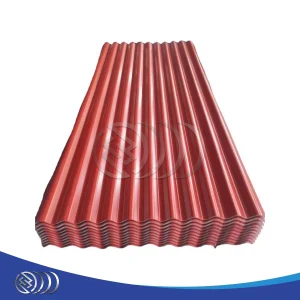
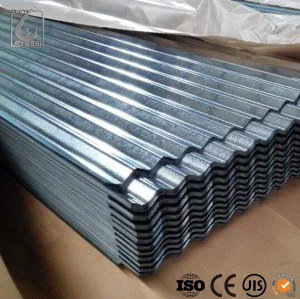
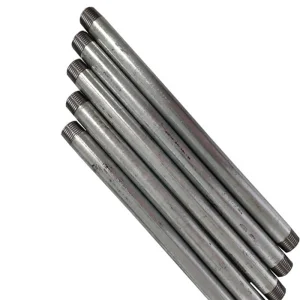
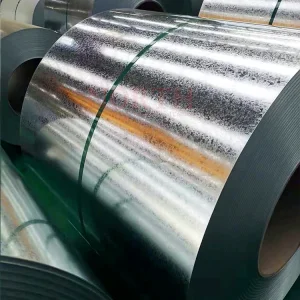
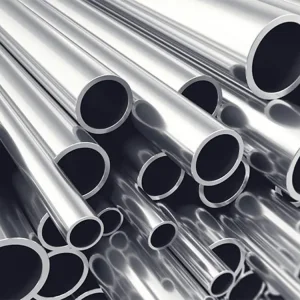
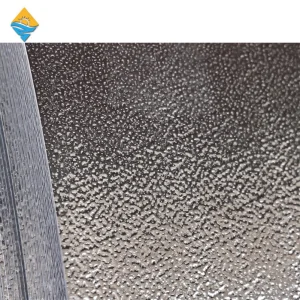
Engineered metal jacketing, prepainted coils, and structural components designed for thermal envelope preservation.
Analyzing market drivers, thermal envelope dynamics, and the critical role of metal cladding in insulation systems.
In modern engineering, the performance of industrial and commercial thermal insulation systems relies heavily on the synergy between the thermal insulation core (such as rockwool, aerogels, polyurethane, or calcium silicate) and the protective outer barrier—commonly referred to as metal insulation jacketing or cladding. The global market for these critical systems is expanding rapidly, driven by the dual mandates of energy conservation and operational safety across petrochemical, liquefied natural gas (LNG), power generation, and commercial HVAC infrastructures.
Without an impermeable protective outer shield, insulation cores are highly susceptible to moisture ingress, physical mechanical damage, UV degradation, and chemical exposure. This vulnerability leads directly to the dreaded industrial challenge of Corrosion Under Insulation (CUI). As a result, global engineering standards such as ASTM C1729 (Standard Specification for Aluminum Jacketing) and ASTM C1767 (Standard Specification for Stainless Steel Jacketing) have established rigorous guidelines. Leading China-based manufacturing hubs now lead the supply chain, providing high-precision materials—ranging from stucco embossed aluminum coils to prepainted galvanized steel sheets (PPGI)—specifically optimized to protect these thermal insulation investments in harsh environments.
From a geographical standpoint, the demand patterns show distinct profiles:
How digital manufacturing, smart coatings, and advanced metallurgy are shaping the future of industrial cladding.
Modern metal jacketing features interior poly-surlyn or surlyn-kraft paper moisture barriers. These barriers prevent galvanic corrosion occurring between the metal skin and the wet insulation media, extending pipeline lifespans by up to 200%.
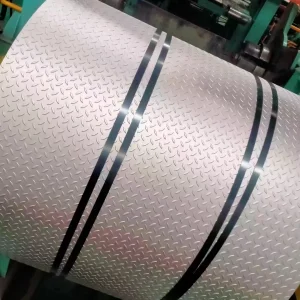
Textured profiles like orange-peel stucco embossing minimize glare, mask surface scratching from installation handling, and improve structural stiffness. This allows for thinner panels without sacrificing mechanical wind-load resistance.
Integrating tailored fluoropolymer (PVDF) color coatings onto aluminum and Galvalume surfaces modifies solar absorption and heat radiation, improving thermal efficiency and lowering energy use in external building applications.
Beyond surface finishes, metallurgists are optimizing alloy compositions for high-stress applications. For example, high-performance alloys like Inconel 690 and grade 316/310 stainless steels are selected for cryogenic piping systems (LNG) and high-temperature waste-to-energy flue ducts. These materials maintain thermal and mechanical integrity at extreme temperatures, preventing the deformation of insulation layers below.
A leading industrial metal solutions supplier in China.
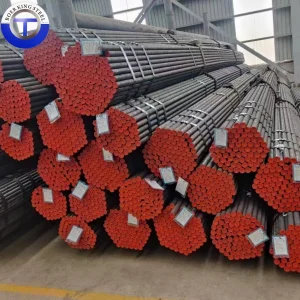
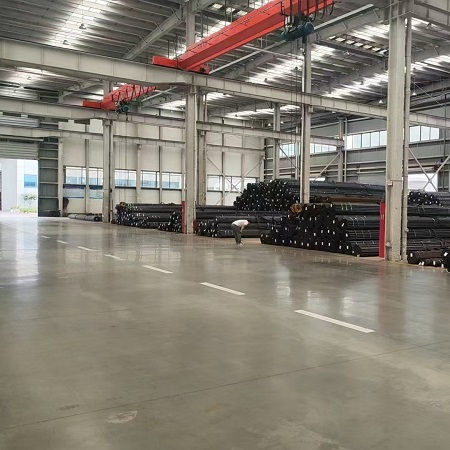
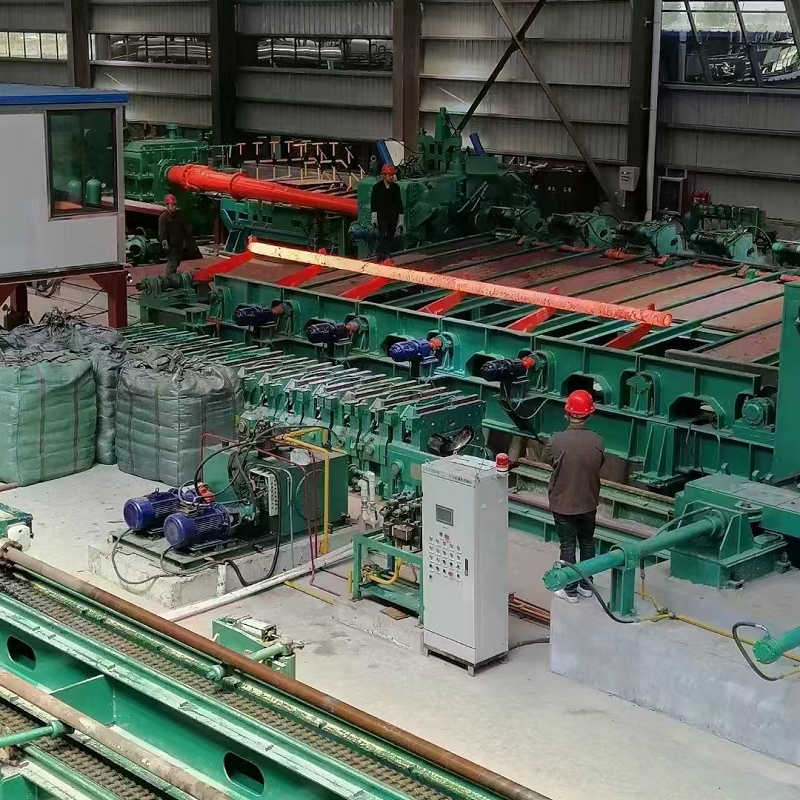
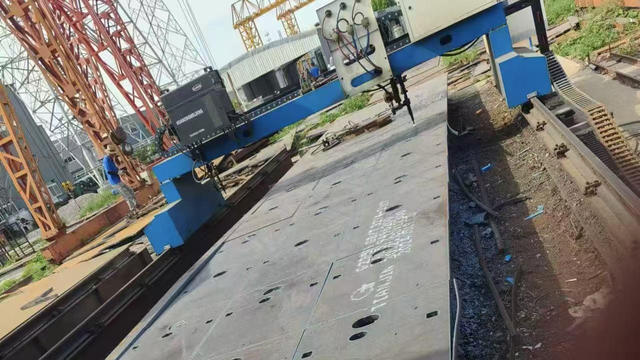
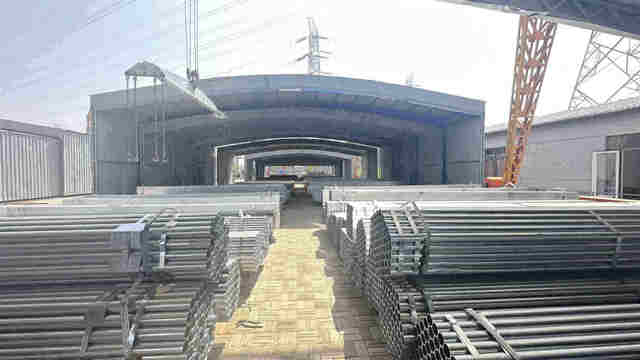
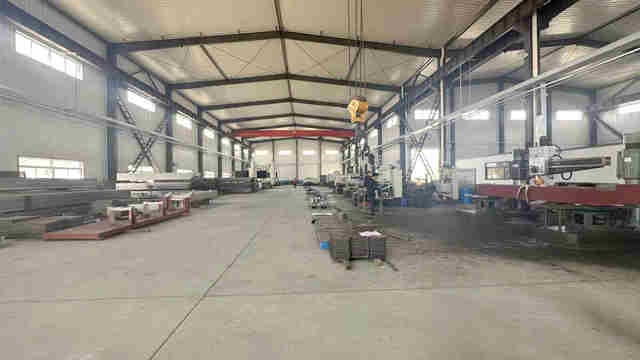
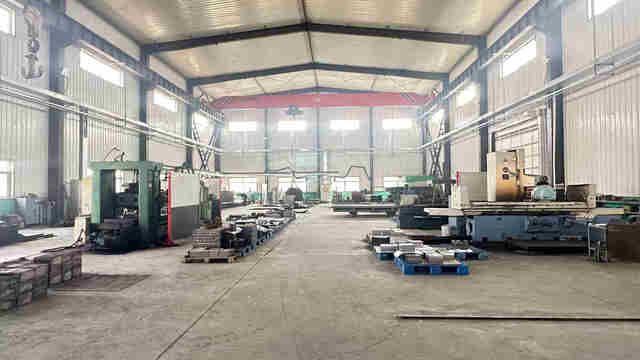
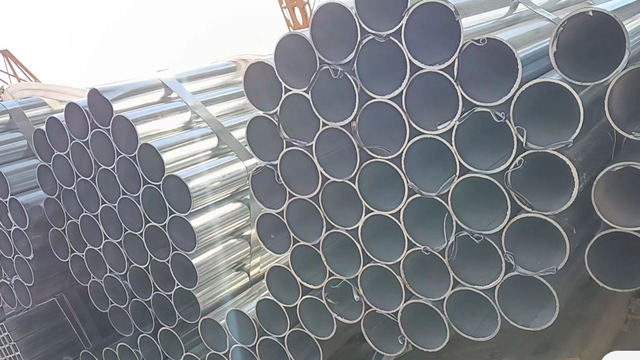
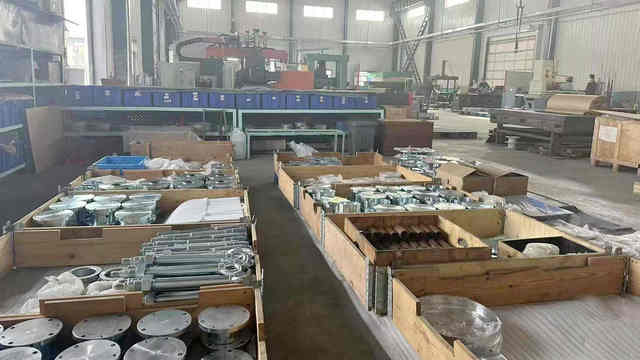
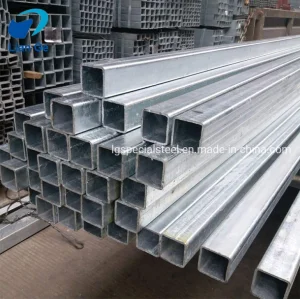
Ningbo Ramparts BuildCore Co., Ltd. is a leading industrial metal solutions supplier in China, specializing in the manufacturing and global distribution of seamless steel pipes, galvanized steel products, aluminum materials, and corrugated steel plates. Strategically located in Ningbo, a major port city, the company benefits from efficient logistics and strong supply chain capabilities, enabling fast and reliable delivery to international markets.
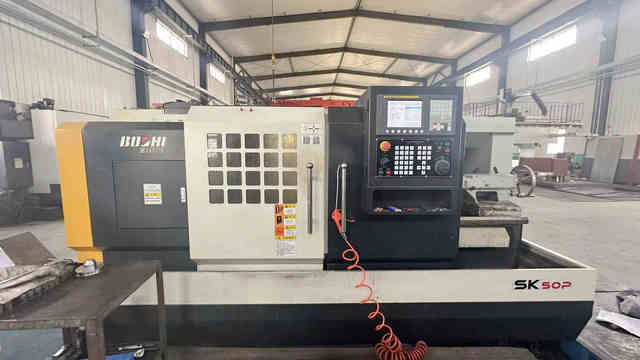
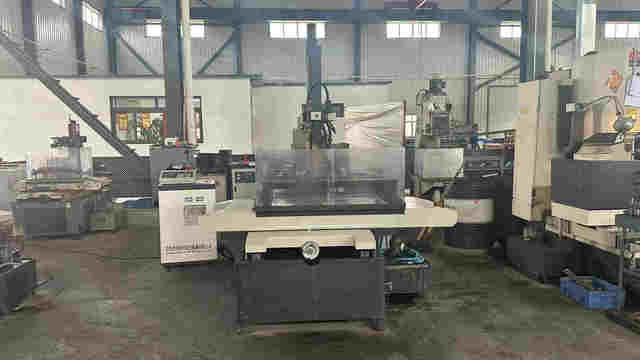
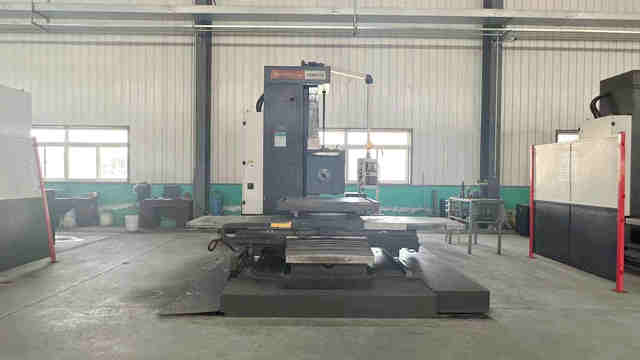
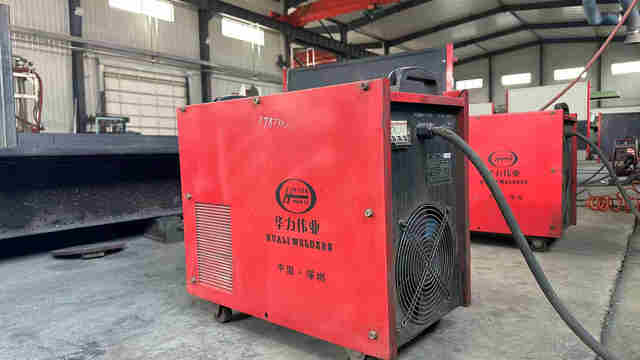
With advanced production lines and strict quality management systems, Ramparts BuildCore ensures that all products meet recognized industry standards and project requirements. Its product portfolio is widely applied in construction, infrastructure, energy, transportation, and industrial manufacturing sectors, offering durability, corrosion resistance, and high structural performance.
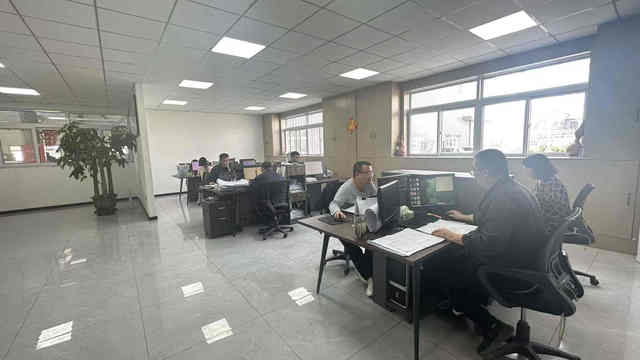
The company is committed to providing customized metal solutions tailored to diverse client needs, including specific dimensions, surface treatments, and material grades. Backed by an experienced technical team and responsive customer service, Ramparts BuildCore supports clients from product selection to project execution.
Focusing on innovation, quality, and long-term partnerships, Ningbo Ramparts BuildCore continues to expand its global presence, delivering cost-effective and reliable metal materials that help customers build stronger, safer, and more efficient projects worldwide.
How customized jacketing systems perform across different environmental and industrial contexts.
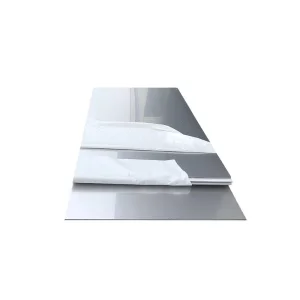
Liquefied Natural Gas (LNG) processing requires ultra-low operating temperatures of around -162°C. The preservation of this temperature is critical. System insulation cores are built with polyisocyanurate (PIR) or cellular glass, protected by high-precision, low-temperature resistant stainless steel jacketing. Because coastal LNG facilities are highly saline, SS316L mirror or 2B finish sheets are installed. These protect the insulation system from chloride stress cracking and prevent any moisture migration into the PIR core.
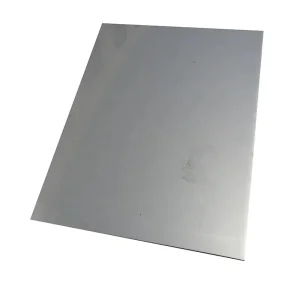
In utility plants, steam pipes run at temperatures above 500°C. In these installations, aluminum jacketing (typically alloys 3003 or 1100 with orange peel stucco texture) is the industry standard. Aluminum’s high thermal reflectivity reduces radiant heat losses to the environment. Additionally, its light weight reduces the dead load on piping bridge supports.
In areas with heavy foot traffic or maintenance activity, thin aluminum or copper wraps can dent easily, compromising the underlying insulation. To address this, engineers specify thicker galvanized steel corrugated cladding sheets. These provide the structural stiffness needed to absorb physical impacts without compressing the insulation block. This prevents hot spots and preserves thermal efficiency.
Below is a guide for matching protective cladding alloys with specific site conditions.
Future technological advances in protection systems for thermal insulation.
The industrial insulation landscape is evolving rapidly to align with global net-zero goals. Future technical roadmaps focus on three main areas:
Embedding temperature and moisture sensors directly beneath the protective metal cladding. This setup allows maintenance crews to track humidity levels in real time without removing the jacketing, preventing CUI before structural failure occurs.
Developing next-generation prepainted steel/aluminum coatings that emit thermal energy at optimal rates. These coatings help maintain thermal efficiency and reduce energy loss in high-temperature piping networks.
Laminating aluminum-magnesium alloys with tough polymer structural layers. This process creates high strength-to-weight cladding panels that can withstand harsh maritime conditions.
Technical answers to critical project engineering questions.
High-performance structural alloys, capillary tubes, and industrial piping designed for extreme operations.
 Ramparts BuildCore