Rust poses a significant threat to steel construction projects, leading to costly repairs and safety hazards. According to a report by the National Association of Corrosion Engineers (NACE), corrosion causes over $276 billion in economic losses annually in the U.S. alone. Therefore, understanding how to reduce rust in steel construction projects is vital for industry professionals.
Many construction companies utilize preventive measures, yet miscalculations and neglect can intensify rust problems. Regular inspections and quality coatings are crucial. However, maintenance is often overlooked. A study by the American Institute of Steel Construction indicates that proper rust management can extend a steel structure's lifespan by up to 30%.
Incorporating innovative technologies may help mitigate rust. For example, the use of corrosion-resistant alloys and advanced coatings demonstrates promise. Despite advancements, not every project may have access to such solutions. Identifying effective strategies on how to reduce rust in steel construction projects remains a challenge. Rust is an ongoing battle, one that requires continual learning and adjustment.
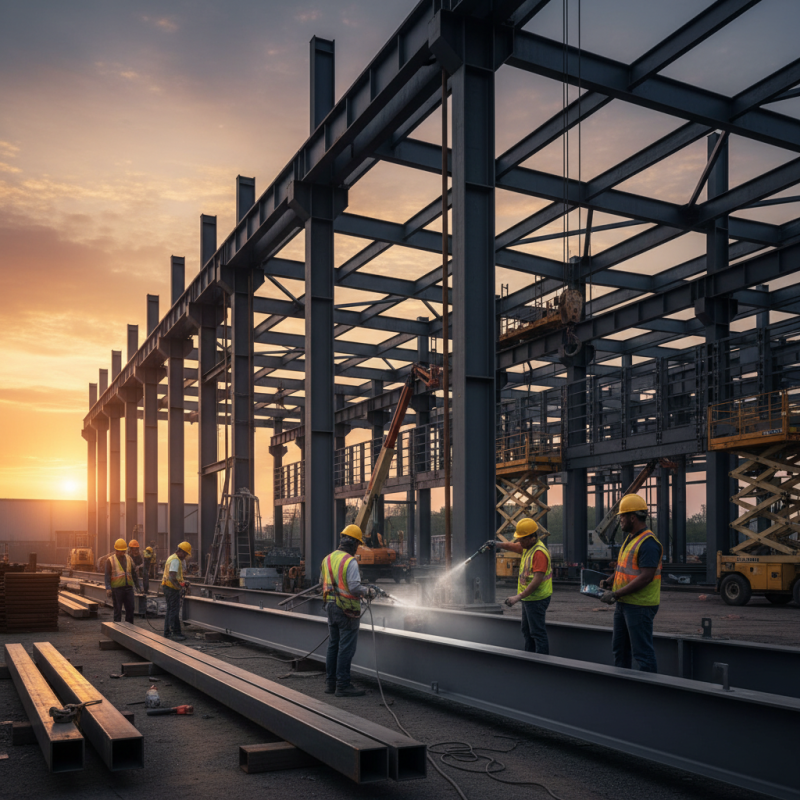
Top 10 Ways to Reduce Rust in Steel Construction Projects
Rust is a significant concern in steel construction. According to industry reports, around 30% of all structural steel failures are due to corrosion. Effective strategies are essential for minimizing this problem.
One approach is to use protective coatings. Applying a high-quality paint system can dramatically lower rust occurrence. Studies show that coatings can extend the life of steel structures by 15-25 years. This method not only protects the steel but also improves its aesthetic value.
Another tip is to control the environment. Moisture, temperature, and weather factors play a major role in rust formation. Keeping materials dry during storage is crucial. Consider using dehumidifiers or climate-controlled warehouses when applicable.
Regular inspections are vital. Even with protection, deterioration can occur. Schedule routine checks, especially in high-humidity areas. This proactive step can catch early signs of rust and help avoid costly repairs down the line. Making minor adjustments now can save major expenses in the future.
Understanding the Causes of Rust in Steel Materials and Components
Rust in steel materials is a common challenge in construction. Understanding its causes is crucial for effective prevention. Rust forms when steel reacts with moisture and oxygen. This chemical process is accelerated in humid environments. Additionally, pollutants and salt can significantly increase rusting rates. Steel components exposed to these elements are at a higher risk.
Another critical factor is the manufacturing process. Poor-quality steel often has impurities that make it more susceptible to corrosion. Even minor scratches can expose the bare metal, leading to rust formation. Inadequate surface treatments also contribute to this problem.
When protective coatings wear off, the steel is vulnerable to environmental factors. Observing these details can lead to better maintenance strategies in construction projects. Recognizing these risks allows for proactive solutions to reduce rust effectively.
Effectiveness of Protective Coatings in Extending Steel Lifespan
Protective coatings play a crucial role in extending the lifespan of steel in construction projects. These coatings provide a barrier against moisture, oxygen, and corrosive elements. In environments where steel is exposed to high humidity or saline conditions, coatings become even more essential. They can significantly reduce the rate of rust formation, preserving the integrity of structures over time.
However, not all coatings are equally effective. Some may wear off more quickly than expected, requiring frequent maintenance. A layer that seems to be intact can still hide underlying corrosion issues. This highlights the importance of regular inspections and understanding the specific environment the steel is in. Deciding on the right coating too quickly can lead to failures down the road, emphasizing the need for thorough planning and testing.
Application methods also influence the effectiveness of these coatings. Incorrect techniques can lead to inconsistencies, leaving some areas vulnerable. It’s vital to train staff adequately to ensure coatings are applied correctly. The industry has made strides in developing better products, but ongoing research is necessary to understand their long-term performance in varied conditions. Recognizing these challenges is part of improving practices in steel construction.
Impact of Galvanization on Rust Prevention and Its Cost-Effectiveness
Galvanization plays a crucial role in rust prevention for steel construction. By coating steel with zinc, it creates a barrier against moisture and oxygen. This process significantly reduces the risk of corrosion. In addition, even if the coating is scratched, zinc can still protect the exposed steel through a sacrificial reaction. This unique characteristic makes galvanization a smart choice for long-lasting structures.
Cost-effectiveness is another important consideration. While the initial investment in galvanization can be higher, the long-term savings are substantial. Corrosion-related repairs and replacements can be costly and time-consuming. By preventing rust from the start, projects save money over time. However, not every project justifies the cost. Analyzing the environmental conditions and structure requirements is essential for informed decisions.
It's important to note that galvanization is not foolproof. Certain environments can still pose challenges. For example, high salinity in coastal areas can affect the lifespan of the protective layer. Steel still requires maintenance checks, and relying solely on galvanization may lead to complacency. A balanced approach to rust prevention can yield the best results. Each project demands careful consideration of its specific needs and conditions.
Top 10 Ways to Reduce Rust in Steel Construction Projects
| Method |
Effectiveness (%) |
Cost-Effectiveness (1-10) |
Maintenance Frequency (Years) |
| Galvanization |
95% |
9 |
15 |
| Epoxy Coating |
85% |
8 |
5 |
| Regular Inspections |
70% |
7 |
2 |
| Anodizing |
90% |
6 |
10 |
| Use of Stainless Steel |
98% |
10 |
20 |
| Corrosion Inhibitors |
75% |
5 |
3 |
| Protective Paints |
80% |
7 |
5 |
| Environmental Control (Humidity Level) |
60% |
4 |
Continuous |
| Proper Drainage Systems |
77% |
4 |
| Use of Rust-Resistant Alloys |
92% |
9 |
15 |
Role of Environment and Climate on Steel Corrosion Rates in Construction
Steel corrosion is a significant concern in construction. Environmental factors heavily influence the corrosion rates of steel structures. For example, humidity, temperature, and the presence of salts can accelerate rust formation. Studies show that steel exposed to coastal environments can corrode up to five times faster than in arid areas. Understanding these dynamics is crucial for project planning.
Tips: Assess the local climate. Coastal areas require different protective measures than inland regions. Always consider temperature fluctuations and humidity in your materials selection.
Moreover, industrial pollution can worsen corrosion rates.
Sulfur dioxide and
nitrogen oxides contribute to acid rain, which can create a hostile environment for steel. Research indicates that
corrosion rates can increase by
10-20% per year in polluted areas. This underscores the importance of monitoring air quality.
Tips: Apply protective coatings. These can reduce corrosion and extend the lifespan of your structures. Regular inspections are essential to maintain integrity over time.
Overall, paying close attention to environmental impacts on steel can prevent costly damage. It’s vital to adapt strategies based on specific conditions to ensure long-term durability.
Proper planning and protective measures can significantly diminish rust-related issues.
Regular Inspections and Maintenance Protocols to Combat Rust Formation
In steel construction, the battle against rust is crucial. Regular inspections play a key role in this effort. Conducting routine checks allows teams to identify early signs of corrosion. Look for discoloration or flaking paint; these can be indications of rust forming beneath the surface. It's often easy to overlook these signs when work is busy, but vigilance is necessary.
Adopting a solid maintenance protocol matters significantly. Establish a schedule for cleaning and treating exposed surfaces. Protective coatings can help, but they need timely reapplication. Teams may find it challenging to stick to maintenance schedules amidst tight deadlines. However, committing to these protocols prevents larger issues down the line.
Don't hesitate to review inspection records regularly. Evaluate what has been overlooked. A reflective approach fosters improvement and efficiency in rust management.
FAQS
: They create a barrier against moisture, oxygen, and corrosive elements, extending the steel's lifespan.
High humidity increases the risk of rust. Coatings are especially crucial in these conditions.
No, some wear off quickly. Frequent maintenance might be necessary with less effective coatings.
Look for discoloration or flaking paint. These signs often indicate hidden rust problems.
Incorrect techniques can leave areas vulnerable. Proper training is essential for staff applying coatings.
Sticking to maintenance schedules can be hard. Tight deadlines often interfere with routine checks.
Regular evaluations can highlight overlooked issues, helping to improve maintenance practices.
Yes, coatings might look fine but can conceal underlying corrosion issues.
Ongoing research is essential to understand how coatings perform in various conditions.
Reflecting on inspection outcomes can lead to better practices and efficiency in managing rust.
Conclusion
Rust is a significant challenge in steel construction projects, and understanding the causes of rust is essential for effective mitigation. This article outlines top strategies on how to reduce rust in steel construction projects, emphasizing the importance of protective coatings, which can significantly extend the lifespan of steel materials. Furthermore, galvanization emerges as a cost-effective method for preventing rust, enhancing the durability of steel components.
The environment and climate also play crucial roles in corrosion rates, making it vital for project planners to consider local conditions. Regular inspections and maintenance protocols are critical in combating rust formation, ensuring that any issues are addressed promptly to maintain structural integrity. By implementing these strategies, construction professionals can effectively minimize rust, thus safeguarding their projects and investments.

 Ramparts BuildCore