China Top Tips to Reduce Rust in Steel Construction

Time:2026-10-18 Author:Madeline
0%

Steel construction in China faces rust risks from coastal salt, monsoon humidity, industrial emissions, and trapped water. These risks often appear at welds, bolted joints, cut edges, and damaged coatings. A clean surface can still fail when drainage is poorly designed.

The NACE IMPACT Study estimated global corrosion costs at about US$2.5 trillion annually, equal to roughly 3.4% of global GDP. It also reported that 15–35% of corrosion costs could be avoided through better prevention practices. These figures explain why “how to reduce rust in steel construction projects” must begin before fabrication, not after visible damage. ISO 12944 provides a practical framework for selecting protective paint systems according to environmental exposure. In China, that means matching coatings to coastal C5 conditions, inland industrial zones, and high-humidity construction sites.

Robert G. Kelly, a respected corrosion scientist and co-author of major corrosion engineering texts, states, “Corrosion is a materials degradation process.” His point is simple. Prevention needs a complete system. Designers should avoid water traps, specify suitable steel preparation, and seal vulnerable connections. Contractors need to verify abrasive blasting, surface cleanliness, coating thickness, and curing conditions. Inspectors should record temperature, humidity, chloride contamination, and damaged areas before handover.

Small omissions become expensive repairs. A missed weld edge may rust beneath an apparently sound coating. A careless touch-up can fail within one wet season. No coating lasts forever. Maintenance plans must include inspections, drainage cleaning, and early repairs. This approach is not perfect, but it is measurable, practical, and far less costly than replacing corroded structural members.
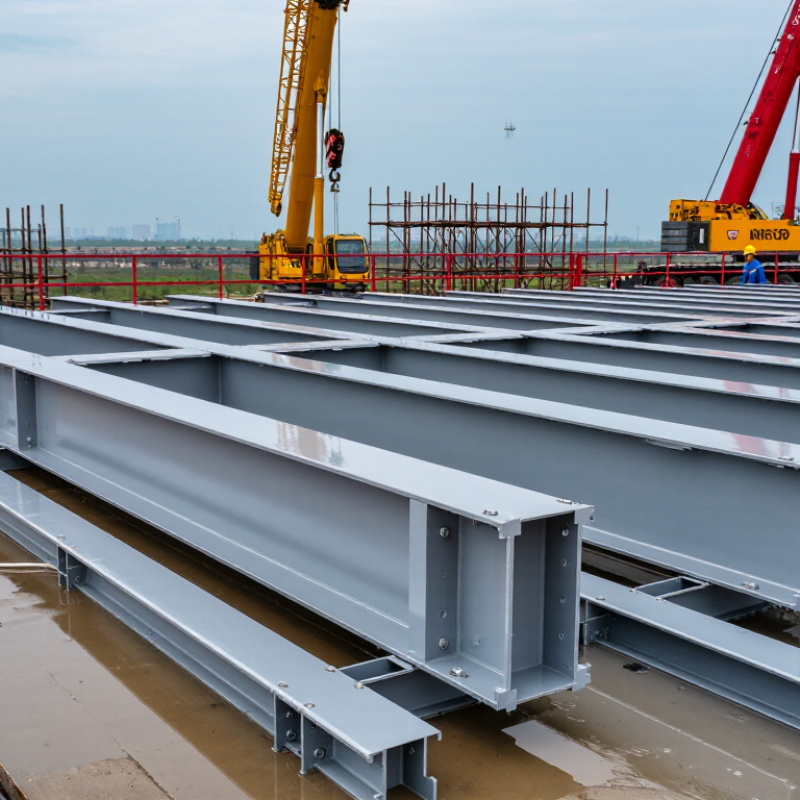
China Top Tips to Reduce Rust in Steel Construction

Understanding the Main Causes of Rust in Steel Construction

China Top Tips to Reduce Rust in Steel Construction

Understanding the Main Causes of Rust in Steel Construction

Rust begins when steel meets water and oxygen. In coastal Chinese cities, salt carried by sea air speeds this reaction. Humid southern climates create persistent surface moisture, while northern temperature changes cause condensation inside hollow sections. Small drainage failures can therefore create serious corrosion.

Field inspections often find water trapped beneath plates, around bolts, or inside unsealed steel tubes. These narrow spaces dry slowly. Dirt, welding residue, and damaged paint make the problem worse. During transport and installation, lifting chains or tools may scratch protective coatings. Exposed steel can rust within hours in wet conditions.

Design decisions matter greatly. Poorly sloped surfaces hold rainwater. Tight crevices block inspection and maintenance. Contact between different metals may also increase galvanic corrosion, especially in damp environments. Engineers should specify suitable coatings for the project’s exposure category, prepare surfaces carefully, and seal hollow sections where appropriate. Drain holes need protection from blockage.

A practical inspection records coating damage, standing water, weld areas, and fastener connections. Surface cleanliness and dryness should be checked before painting. Measurements are useful, but they do not replace careful observation. One missed underside can undermine an otherwise excellent coating system. Even experienced teams sometimes focus on visible beams and overlook concealed moisture. That mistake deserves regular review.

Selecting Rust-Resistant Steel and Protective Construction Materials

China Top Tips to Reduce Rust in Steel Construction

Selecting rust-resistant steel starts with the site environment, not the material catalog. Coastal projects face salt spray, while northern sites may experience freeze-thaw cycles and deicing chemicals. Review humidity, pollution, drainage, and expected service life before ordering steel. Weathering steel can perform well in suitable dry conditions, but it is not ideal for constant moisture or heavy chloride exposure.

For exposed structural members, specify steel with documented corrosion resistance and verified mechanical properties. In severe environments, galvanized steel, stainless steel, or a layered coating system may provide better protection. A zinc-rich primer, epoxy intermediate coat, and weather-resistant finish can limit water and oxygen contact. Follow the coating manufacturer’s preparation requirements, including surface cleaning and dry-film thickness checks. Small gaps matter.

Protective materials must work together. Avoid trapping water between steel plates, and design open drainage paths around joints. Use compatible bolts, sealants, and isolation washers to reduce galvanic corrosion between different metals. Inspect cut edges, welds, and damaged coating areas during installation. A missed scratch can become a rust line under insulation.

This choice is easy to get wrong. Cost comparisons should include maintenance, access equipment, repainting, and replacement risks. Qualified engineers should confirm material selection against project conditions and applicable Chinese construction standards. Regular inspections remain necessary, even when the original system appears robust.

Hot-dip galvanized steel is a widely used protective construction material. Under ISO 1461, the required minimum average zinc coating thickness increases with the steel section thickness, providing a thicker sacrificial barrier for heavier structural components. Actual performance also depends on surface preparation, exposure conditions, drainage, and regular inspection.

Preparing Steel Surfaces Before Anti-Corrosion Treatment

China Top Tips to Reduce Rust in Steel Construction

Preparing Steel Surfaces Before Anti-Corrosion Treatment

Rust control starts before any coating reaches the steel. In Chinese coastal areas, salt deposits can remain invisible after storage near open yards. I have seen clean-looking beams develop rust again within days. Inspect mill scale, grease, weld spatter, sharp edges, and old corrosion under strong light. Remove oil with a suitable cleaner, then allow the surface to dry completely.

Abrasive blasting should create an even, slightly rough profile. This texture helps the coating grip the steel. Pay close attention to welds, corners, bolt holes, and the underside of plates. These areas often collect moisture and receive too little preparation. After blasting, remove dust with clean, dry air. Do not touch the surface with bare hands. Fingerprints can leave salts and oil behind.

Check the steel temperature, air temperature, and dew point before painting. The surface should remain safely above the dew point, commonly by at least 3°C. Humid weather can change quickly, especially near rivers or the sea. A chloride test may reveal contamination that ordinary inspection misses. If flash rust appears, stop and reassess the preparation method. Sometimes the planned schedule is too optimistic. That mistake is cheaper to correct before coating than after early coating failure.

Applying Effective Coatings and Structural Rust Prevention Methods

China Top Tips to Reduce Rust in Steel Construction

Steel corrosion is costly, especially in coastal cities, humid regions, and industrial zones. The NACE IMPACT Study estimated global corrosion costs at about US$2.5 trillion annually, equal to 3.4% of global GDP. It also reported that 15–35% of corrosion costs could be reduced through better prevention and management. For Chinese steel projects, protection should begin with structural detailing. Avoid water traps, seal open crevices, and provide drainage around stiffeners and base plates. Small design gaps often become large maintenance problems.

Surface preparation controls coating performance. Remove rust, oil, mill scale, and soluble salts before painting. ISO 12944 emphasizes suitable preparation, exposure classification, coating selection, and inspection. In practice, inspectors should verify surface cleanliness, profile depth, humidity, steel temperature, and dry-film thickness. Stripe coats on welds, edges, bolts, and corners improve coverage because these areas receive thinner films. Apply the full coating system only within the specified weather limits.

Coatings still fail sometimes. That deserves honest review. A thick film is not automatically a durable film. Poor curing, hidden contamination, and damaged transport areas can defeat an expensive system. Record inspection results with photographs and repair defects before installation. Schedule visual checks, thickness testing, and early touch-up inspections after commissioning. Prevention is rarely dramatic. It is repeated, careful work.

Inspecting and Maintaining Steel Structures to Control Rust Over Time

China Top Tips to Reduce Rust in Steel Construction

Rust control begins with a calendar, not a repainting emergency. During inspections, record coating blisters, exposed weld toes, standing water, and rust staining beneath beam flanges. Coastal Chinese sites deserve extra attention because salt deposits can remain hidden behind connections. Use photographs, grid references, and measured coating thickness. Small records become useful evidence.

The NACE IMPACT study estimated global corrosion costs at US$2.5 trillion annually, about 3.4% of global GDP. It also reported potential savings of 15–35% through effective corrosion management. This supports planned inspections instead of reactive repairs. Inspect steel after heavy rain, flooding, construction impacts, or unusual vibration. Check drainage holes first. Blocked outlets often keep water against base plates and connection details.

Maintenance should follow the exposure category described by ISO 12944. Remove salt, dust, and loose rust before applying a compatible repair coating. Measure surface preparation and dry-film thickness, rather than trusting appearance alone. One practical weakness remains: a checklist can miss corrosion inside a sealed joint. Where access is limited, ultrasonic thickness readings or borescopes can challenge assumptions. Keep severity ratings, repair dates, and photographs in one controlled log. This record helps engineers judge whether corrosion is stable, spreading, or being overlooked.

China Top Tips to Reduce Rust in Steel Construction - Inspecting and Maintaining Steel Structures to Control Rust Over Time

Inspection or Maintenance Area What to Check Recommended Method Typical Frequency Rust-Control Action Priority Trigger
General visual condition Red-brown staining, blistering, peeling coating, exposed steel, and water marks. Walk-through inspection with photographs, location references, and dated records. At least annually; more often in coastal, industrial, humid, or polluted locations. Clean deposits, remove loose rust and failed coating, then repair the protective coating system. Active rust, coating failure, or rapidly increasing affected area.
Joints, seams, and crevices Water traps around lap joints, bolted connections, welds, stiffeners, and contact surfaces. Close visual inspection; use mirrors, borescopes, or access equipment where required. Annually and after unusual water leakage or flooding. Improve drainage, seal suitable gaps, remove debris, and avoid retaining moisture between steel surfaces. Standing water, corrosion at a connection, or loss of section near a joint.
Coating thickness and continuity Dry-film thickness, pinholes, holidays, under-film rust, and damage from handling or construction. Use a calibrated dry-film thickness gauge and visual holiday inspection where appropriate. During installation, after repairs, and during scheduled condition surveys. Prepare the surface to the specified cleanliness level and recoat according to the approved coating system. Bare steel, widespread blistering, or coating thickness below the project specification.
Steel thickness and section loss Pitting, uniform corrosion, edge loss, holes, and reduction in load-carrying section. Ultrasonic thickness measurements, pit-depth gauge, and dimensional checks by a qualified inspector. As part of periodic structural assessments or whenever significant corrosion is visible. Compare readings with design thickness and previous records; repair, strengthen, or replace affected members when required. Measured section loss that may affect strength, stability, or connection performance.
Drainage and water management Blocked drains, leaking roofs, damaged flashings, condensation, and poor slopes that direct water onto steel. Inspect roof and drainage components; perform water-flow checks where practical. Before and after the wet season, plus routine site inspections. Clear blockages, correct leaks, improve falls, and keep steel surfaces dry and ventilated. Repeated wetting, trapped water, or corrosion beneath leaking building elements.
Deposits and contaminants Chloride salts, dust, industrial deposits, bird droppings, and chemical residues. Visual inspection; surface sampling or laboratory testing when contamination is suspected. Every 6–12 months in exposed environments or after contamination events. Wash with clean water using a method compatible with the coating; remove deposits without spreading contaminants. Salt accumulation, chemical attack, or deposits that remain damp against the coating.
Fasteners and connections Rust at bolt heads, nuts, washers, weld toes, and interfaces between dissimilar metals. Close visual inspection, torque verification where specified, and nondestructive testing for critical welds. Annually and after structural movement, impact, or water ingress. Replace damaged fasteners, restore compatible protection, and isolate dissimilar metals where galvanic corrosion is possible. Loose or severely corroded fasteners, cracked welds, or connection deformation.
Inspection records and trend control Same-location photographs, coating readings, thickness results, repair dates, and corrosion progression. Use a consistent asset register, marked-up drawings, and condition-rating scale. Update after every inspection, repair, or major environmental change. Compare current results with previous data and schedule preventive work before corrosion becomes structural. Increasing corrosion severity, repeated repair failures, or missing inspection history.
Practical control principle: Keep steel dry, remove contaminants, maintain coating continuity, prevent water traps, and investigate any section loss that could affect structural capacity. Inspection intervals should be adjusted for exposure, design details, accessibility, and the consequences of failure.

FAQS

What starts rust in steel construction?

Rust begins when steel contacts water and oxygen. Salt air and lasting humidity speed the reaction. Wet steel can rust within hours.

Why do coastal and humid areas face higher corrosion risk?

Sea salt makes moisture more aggressive. Humid climates keep surfaces wet longer. Industrial air may add further contamination.

Where does water commonly remain on steel structures?

Water collects beneath plates, around bolts, and inside unsealed tubes. Narrow gaps dry slowly. These hidden areas need attention.

How can structural design reduce rust?

Use sloped surfaces, clear drainage paths, and fewer tight crevices. Seal hollow sections where suitable. Protect drain holes from blockage.

What should workers remove before applying a coating?

Remove rust, oil, loose scale, dirt, and soluble salts. The steel must be clean and dry. Otherwise, coating adhesion may weaken.

Which steel areas need extra coating attention?

Welds, edges, corners, bolts, and damaged lifting points need careful coverage. Thin films often form there. Stripe coats can help.

Does a thicker coating always provide better protection?

No. Excess thickness may still fail because of poor curing or hidden contamination. More material is not automatically better.

How should inspections check corrosion protection?

Inspect standing water, scratches, welds, fasteners, and concealed undersides. Check humidity, steel temperature, cleanliness, and film thickness. Photographs help.

What maintenance mistake deserves regular review?

Teams may inspect visible beams and overlook concealed moisture. That mistake is common. Review it honestly and repair defects early.

Conclusion

Reducing rust in steel construction projects begins with understanding the conditions that accelerate corrosion, including moisture, oxygen, salt, industrial pollutants, poor drainage, and contact between incompatible metals. Choosing corrosion-resistant steel, suitable fasteners, durable sealants, and compatible protective materials can improve long-term performance. Before treatment, steel surfaces should be cleaned thoroughly to remove rust, oil, dust, mill scale, and other contaminants. Proper preparation helps coatings bond firmly and prevents hidden corrosion from developing beneath the protective layer.

Effective rust prevention also depends on applying suitable primers, protective coatings, and finishing layers according to the project environment. Structural designs should minimize water collection, improve ventilation, seal vulnerable joints, and provide reliable drainage. Regular inspections are essential for identifying coating damage, cracks, standing water, and early rust. Prompt cleaning, repair, and recoating can prevent minor defects from becoming serious structural problems. By combining careful material selection, surface preparation, protective treatment, thoughtful construction methods, and ongoing maintenance, project owners can establish a practical strategy for how to reduce rust in steel construction projects and extend the service life of steel structures.

Madeline

Madeline

Madeline is a dedicated marketing professional with a wealth of expertise in our company's core offerings. With a keen understanding of the industry, she brings a unique perspective to her role, consistently delivering high-quality content that highlights the superior aspects of our products. As......