Steel is strong, but long bundles, sharp edges, and shifting loads can create serious hazards during handling. Safe transport and storage depend on practical checks: inspect lifting gear, balance the load, secure every bundle, and keep storage areas level and clear. A loose strap can turn a routine delivery into a dangerous one. Small details matter.
Steel logistics specialist Alex Morgan puts the core principle this way: “A load is only secure when it stays stable through every move.” This is a practical working rule, not a substitute for site procedures or equipment instructions. Use trained operators, suitable lifting devices, and clear communication before moving material. Check straps and restraints again after loading. At the yard, separate different steel products, support them evenly, and keep aisles open for forklifts and people. Watch for water, damaged dunnage, and unstable stacks. They are easy to overlook.
This guide, “10 Tips for Safe Steel Transport and Storage,” explains how to transport and store steel materials safely, from loading and load restraint to unloading and organized storage. Some advice may need adapting to your site. That deserves a careful review, not guesswork.
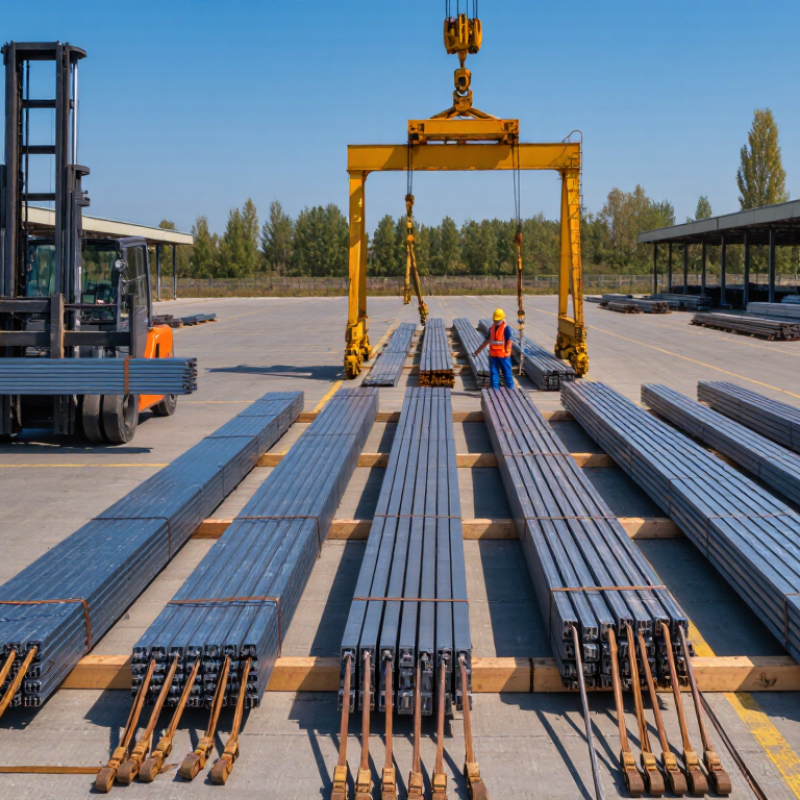
Steel can look stable while hiding serious transport risks. Long beams shift when a truck brakes or turns, and a narrow stack may roll if its supports are poorly placed. Even small movement can crush packaging, damage nearby cargo, or injure workers. Steel is unforgiving. Sharp edges can cut through gloves, while wet surfaces make lifting points slippery.
Before loading, check the material’s weight, shape, and center of gravity. Use lifting equipment rated for the load, and keep people clear of suspended steel. Secure bundles against movement in every direction; straps should suit the load and must not rest on sharp edges without protection. That detail is easy to miss. A strap can appear tight at the yard, then loosen after vibration on the road. Recheck securement when conditions allow, following the carrier’s procedures and equipment guidance.
Storage brings different hazards. Uneven ground can twist long sections, while poorly arranged supports may let a stack slide or sag. Keep steel on stable supports, separated by size, with access routes clear for handling equipment. Moisture trapped beneath coverings can encourage corrosion, so allow airflow and inspect surfaces after rain. I would not assume a covered stack is a dry one. Small checks matter: look for pooled water, shifted dunnage, and straps or barriers showing wear before anyone moves the material.
Before lifting steel, inspect each piece for oil, loose scale, sharp burrs, bent edges, and trapped water. Clean contact points and separate wet or corroded stock; slippery surfaces can shift under straps. Stack sections on level dunnage, with supports aligned beneath the load. Keep bundles stable, and secure them against rolling before moving.
Tip: Match the equipment to the load. Check the steel’s weight, shape, and center of gravity against the crane, forklift, sling, and attachment ratings. Long beams may need a spreader beam to limit sling pressure. With forklifts, account for the load center; a heavy piece carried far from the forks can exceed rated capacity. Keep hands clear of pinch points. Small details matter.
The U.S. Bureau of Labor Statistics reported 5,283 fatal work injuries in 2023, including 1,942 involving transportation incidents. These figures cover many industries, not steel handling alone, but they underline why movement planning matters. Mark the route, confirm clearances, and keep pedestrians away from the travel path. I’d still recheck the bundle after rigging; rushed visual estimates can miss a shifted center of gravity.
| No. | Tip | Preparation and Suitable Equipment | Safe Practice |
|---|---|---|---|
| 1 | Identify and inspect the steel | Confirm the material type, dimensions, approximate weight, condition, and any handling instructions. Use the delivery documentation and available markings to identify the load. | Check for loose pieces, sharp edges, corrosion, or damage that could affect lifting or stability. Do not handle an uncertain or unstable load until it has been assessed. |
| 2 | Prepare the load before lifting | Bundle compatible items securely where appropriate. Use suitable lifting points, rated slings, clamps, or lifting beams selected for the load’s shape and weight. | Keep hands and feet clear of pinch points. Balance the load and conduct a controlled test lift just clear of the ground to check stability before moving it. |
| 3 | Choose equipment with adequate capacity | Select a crane, forklift, or other lifting equipment with a rated capacity suitable for the load, attachment, lift radius, and operating conditions. | Check the equipment’s load chart or rating plate and account for the weight of attachments. Never exceed the rated capacity; use trained, authorized operators. |
| 4 | Protect steel edges and lifting gear | Use edge protectors, suitable packing, or sling protection where sharp edges may damage slings or where contact could damage finished surfaces. | Inspect slings and attachments before use. Remove damaged gear from service, and make sure protective material cannot slip or interfere with secure lifting. |
| 5 | Secure steel for transport | Use a vehicle and load-restraint equipment appropriate to the cargo, such as rated chains or straps, anchor points, and dunnage. | Restrain the load against movement in all directions in accordance with applicable transport rules. Recheck restraints after the journey begins and at safe stopping points. |
| 6 | Keep loads stable during loading and unloading | Use level, firm ground and suitable supports. Position the vehicle and lifting equipment to minimize awkward reaches, sudden turns, and unnecessary load movement. | Establish an exclusion zone around suspended or moving loads. Never stand beneath a suspended load, and keep people clear of the vehicle’s operating area. |
| 7 | Store steel off the ground | Place steel on sound, level dunnage or racks with adequate capacity. Arrange supports to prevent sagging and keep bundles stable. | Keep storage areas clear of vehicle routes and pedestrian walkways. Stack only to a stable height and configuration appropriate to the material and storage system. |
| 8 | Protect material from moisture and contamination | Choose a dry, well-drained storage location. Use covers where needed, while allowing ventilation to limit trapped condensation. | Keep steel away from standing water and incompatible chemicals. Inspect stored material periodically for moisture, corrosion, or deterioration of packaging. |
| 9 | Separate and label different materials | Use clear labels and designated storage areas for different grades, sizes, or finished products. Use separators when needed to prevent contact or mix-ups. | Keep labels visible and maintain traceability during handling. Store items so workers can identify and retrieve them without unsafe climbing or shifting other loads. |
| 10 | Plan access and rehandling | Arrange stock so commonly used items are accessible to suitable lifting equipment. Keep aisles, access routes, and emergency exits unobstructed. | Move only loads that can be controlled with the available equipment and space. Follow site procedures, communicate clearly, and reassess the load if conditions change. |
Before loading, inspect the trailer bed for loose dunnage, oil, ice, or bent stakes. Steel can shift on a slick surface, even when it looks settled. Place bundles on sound blocking, keep their weight balanced across the vehicle, and separate sharp edges from straps with protectors. Match the loading plan to the steel’s shape, weight, and center of gravity. A neat-looking load is not necessarily a stable one.
Tip: Secure the load before departure, then recheck it after the first short stretch. FMCSA’s cargo-securement rules set a useful benchmark: the combined working load limit of tiedowns must be at least half the cargo’s weight. For steel coils, FMCSA specifies additional securement methods based on coil weight and orientation. Use rated tiedowns, prevent forward and sideways movement, and follow the applicable method rather than relying on strap tension alone. Check twice.
During loading, keep people clear of suspended material and never stand in a likely shift path. Tighten tiedowns evenly; a strap cutting across an unprotected edge can fray or fail. Check anchors, hooks, blocking, and strap condition before release. It is easy to rush this part. A second inspection may feel repetitive, but small gaps and loose dunnage are hard to spot from the cab. Recheck securement during the trip when conditions or the load warrant it.
Steel is heavy, rigid, and often harder to control than it looks. Before moving it, confirm the bundle’s weight, dimensions, and lifting points using reliable shipment documents. Check that the truck, forklift, or crane is rated for the actual load. Keep the route clear, dry, and wide enough for turns. Small obstacles matter.
Tip: Secure bundles with rated restraints and firm blocking; never rely on friction alone. Place dunnage evenly to prevent rolling or shifting during braking. Protect sharp edges where straps touch the load, then recheck strap tension after a short distance. One loose spacer is easy to miss, so check twice.
During unloading, mark an exclusion zone and use a trained signaler when visibility is limited. Never stand beneath suspended steel or reach between bundles to guide them. Lift smoothly, travel with the load low, and place it on level supports that prevent rolling. Pause if the load swings. Rushing may feel efficient, but it leaves little room to correct a small mistake.
For a balanced two-leg lift, each leg’s tension is the total load divided by twice the sine of the sling angle measured from horizontal. As the angle gets shallower, tension rises sharply. Confirm the load, rigging capacity, and lift plan before moving steel.
Steel storage starts with a level, firm surface that can support the load without settling. Keep bundles off the ground on evenly spaced timber or steel dunnage. Align supports vertically when stacking, and follow the supplier’s load limits. Tip: Keep stacks low and stable. Leave clear aisles so forklifts and people can move without squeezing past sharp edges. Secure bundles against rolling or shifting.
Protect steel from standing water, road splash, and trapped moisture. Store it under a roof when possible, but allow airflow around the material. Use suitable covers that shed rain without sealing damp air inside. Check for pooled water after storms. Small signs matter. Look for rust, damaged packaging, bent supports, and loose restraints during routine inspections. If conditions are unclear, pause and ask a qualified supervisor rather than guessing.
Separate different sizes and grades, and keep identification visible after storage. Place heavier sections lower, with access planned for the equipment used to retrieve them. Don’t climb onto stacks or pull pieces from beneath a load. Tip: Keep hands clear during movement. A tidy rack can still hide a poor support point, so recheck it when bundles are removed. Our routines are not perfect; missed checks happen, which is why clear inspection records and prompt corrections matter.
Check the trailer bed for loose dunnage, oil, ice, and bent stakes. A clean-looking surface can still be slick.
Set bundles on sound blocking and balance their weight across the vehicle. Match the plan to the steel’s shape and center of gravity.
The combined working load limit of tiedowns should be at least half the cargo’s weight. Use rated restraints and prevent forward and sideways movement.
Place edge protectors wherever straps touch sharp surfaces. Check straps, hooks, anchors, and blocking before releasing the load.
Recheck it after the first short stretch, then during the trip when conditions warrant it. Check twice.
Verify the bundle’s weight, dimensions, and lifting points using reliable shipment documents. Confirm the truck, forklift, or crane is rated for the actual load.
Use rated restraints and firm, evenly placed dunnage. Do not rely on friction alone; one loose spacer can be easy to miss.
Mark an exclusion zone and use a trained signaler when visibility is limited. Never stand beneath suspended steel or reach between bundles.
Lift smoothly, travel with the load low, and place it on level supports. Pause if it swings; rushing leaves little room to correct mistakes.
Safe steel handling begins with understanding the risks involved in transport and storage, including shifting loads, sharp edges, corrosion, and crushing injuries. Before moving steel, inspect and prepare the materials, identify their size and weight, and select suitable lifting and handling equipment. Trained workers should use appropriate protective gear and communicate clearly throughout each operation.
To understand how to transport and store steel materials safely, load steel evenly and secure it with suitable restraints to prevent movement during transit. Move loads at a controlled pace, check that the route is clear, and unload on stable ground using careful, coordinated procedures. For storage, place steel on level supports, keep it organized and protected from moisture where practical, and maintain clear access around the materials. Regular checks can help identify damage or unstable stacks before they create safety problems.

Ramparts BuildCore