Why Protect Metal Materials from Corrosion and How to Do It?

Time:2026-05-03 Author:Aria
0%

Corrosion poses a significant threat to metal materials, often leading to structural failures and costly repairs. Understanding how to prevent corrosion in metal materials is crucial for various industries. Corrosion can occur from exposure to moisture, chemicals, and environmental factors. By recognizing these risks, industry professionals can take proactive measures to protect their investments.

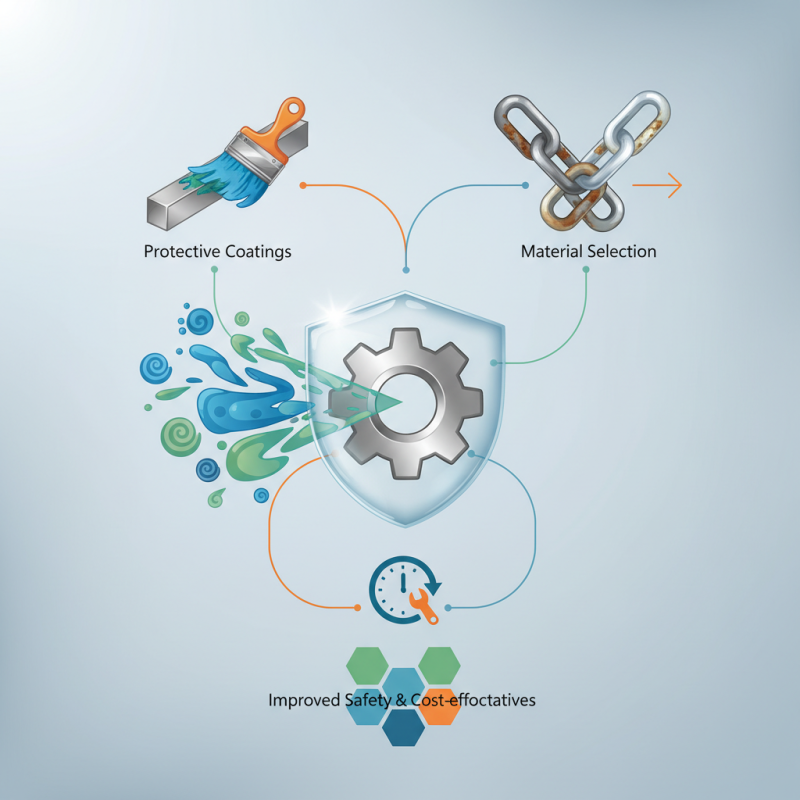
Effective corrosion prevention entails several strategies, including protective coatings, proper material selection, and regular maintenance. For instance, applying a layer of paint or a specialized coating can create a barrier between metal surfaces and corrosive elements. Additionally, choosing corrosion-resistant alloys can greatly enhance longevity. However, it's essential to assess the specific environment, as what works in one context may not be suitable in another.

Despite available methods, challenges remain in corrosion management. It requires ongoing vigilance and adaptation to new conditions. Regular inspections and updates to protection methods are necessary for success. Ultimately, investing time and resources to learn how to prevent corrosion in metal materials can lead to improved safety and cost-effectiveness in the long run.
Why Protect Metal Materials from Corrosion and How to Do It?

Importance of Protecting Metal Materials from Corrosion: An Overview

Corrosion poses a significant threat to metal materials, leading to substantial economic losses. According to a report by the National Association of Corrosion Engineers (NACE), corrosion costs the U.S. economy nearly $300 billion annually. This staggering figure underscores the importance of protecting metals in various industries, including construction, automotive, and oil and gas. In fact, around 25% of maintenance budgets in industrial sectors are spent on corrosion prevention and control.

One effective method to combat corrosion involves the use of protective coatings. These coatings act as a barrier, preventing corrosive agents from reaching the metal surface. However, the application process requires precision and expertise. Using the wrong type of coating can lead to failures, resulting in more damage. In some instances, protective measures can be overlooked, leading to catastrophic results. Regular inspections and maintenance are crucial to identifying vulnerable areas.

Another essential strategy is cathodic protection, which is widely used in pipelines and tank systems. This method uses electrical currents to counteract corrosion mechanisms. While effective, it demands continuous monitoring to ensure functionality. Neglecting these systems can lead to unexpected breakthroughs. Insufficient training of personnel also contributes to failures in corrosion management, emphasizing the need for improved industry standards.

Why Protect Metal Materials from Corrosion and How to Do It? - Importance of Protecting Metal Materials from Corrosion: An Overview

Aspect Description Prevention Method
Corrosion Type Electrochemical corrosion occurs when metals react with environmental factors. Use protective coatings to isolate metal from moisture.
Impact on Durability Corrosion reduces the lifespan of metal components, leading to structural failures. Implement regular maintenance checks and apply anti-corrosive materials.
Economic Losses Corrosion-related damages can lead to significant repair costs. Invest in corrosion inhibitors and quality materials during construction.
Environmental Factors Humidity, salt spray, and temperature fluctuations accelerate corrosion. Use corrosion-resistant alloys or treat surfaces with protective layers.
Monitoring Techniques Techniques include visual inspections and corrosion rate measurements. Implement automated monitoring systems for real-time data collection.

Common Types of Corrosion Affecting Metal Materials and Their Impact

Corrosion is a significant threat to metal materials. It can lead to structural failures and financial losses. According to the National Association of Corrosion Engineers, corrosion costs the U.S. economy over $300 billion annually. Various types of corrosion affect metals differently.

Uniform corrosion is the most common type. It occurs evenly across the surface. This results in gradual thinning of metal, which may go unnoticed until it's too late. Pitting corrosion, by contrast, creates small holes. It's localized and can compromise integrity without visible signs.

Stress corrosion cracking commonly appears in high-stress environments. It induces fractures and is often hard to detect.

Understanding these types of corrosion is critical. Each type has unique behaviors and impacts. Preventative measures, such as protective coatings and cathodic protection, can mitigate these risks. Investing in such methods can lead to long-term savings and increased safety. However, the effectiveness of these strategies depends on accurate assessments and regular maintenance. Ignoring corrosion can lead to severe consequences, making proactive measures essential.

Industry Statistics on the Economic Costs of Corrosion in Manufacturing

Corrosion is a significant issue in the manufacturing sector, with alarming economic implications. According to a report by NACE International, the total cost of corrosion in the U.S. amounts to approximately $276 billion annually. This figure represents nearly 3.1% of the nation's GDP. Companies face substantial expenses related to maintenance, repair, and replacement of corroded equipment and structures. The economic burden is not just in dollars; it also affects productivity and operational efficiency.

Additionally, a survey found that over 40% of manufacturing companies report corrosion-related failures that impact production schedules. These failures lead to unplanned downtime and production losses. The aerospace and automotive industries are particularly vulnerable, as improper corrosion management can result in significant safety risks. For instance, data indicates that corrosion can reduce a component’s lifespan by up to 50% if not adequately controlled.

Addressing corrosion issues early is crucial. The National Association of Corrosion Engineers estimates that implementing corrosion prevention measures can save up to $160 billion yearly. The adoption of protective coatings, cathodic protection, and regular maintenance practices can significantly mitigate the risks. Awareness and action are essential in reducing the staggering economic costs associated with corrosion in manufacturing.

Effective Methods for Preventing Corrosion in Metal Materials

Corrosion can significantly impact metal materials, leading to structural failure and costly repairs. Protecting metals starts with understanding the environment they are exposed to. Factors such as humidity, temperature, and pollutants can accelerate corrosion processes. Identifying these risks is crucial for effective protection.

One effective method is applying protective coatings. These coatings can be paints, galvanizing, or sealants that create a barrier against moisture and oxygen. Proper surface preparation enhances adhesion, ensuring long-lasting results. Regular inspections are essential to identify any wear or damage. Maintenance routines should include touch-ups on protective coatings.

Cathodic protection is another strategy worth considering. It involves using sacrificial anodes to divert corrosive activities. While effective, this method requires careful monitoring. If not maintained, it could lead to unexpected metal degradation. Education on corrosion processes will empower users to recognize early signs. This awareness can lead to timely interventions, ensuring metal materials maintain their integrity over time.

Innovative Coating Technologies and Their Role in Corrosion Protection

Corrosion poses a significant threat to metal materials. It leads to degradation, affecting structural integrity and functionality. Innovative coating technologies have emerged as effective solutions for corrosion protection. These coatings act as barriers, reducing direct interaction with moisture and corrosive agents.

Advanced polymer coatings are gaining popularity in various industries. They offer flexibility and durability. These coatings can adapt to different environmental conditions and provide long-lasting protection. However, environmental factors can impact their performance. Regular inspections are necessary to ensure integrity.

Another promising solution is nano-coating. Nano-coatings enhance surface properties at the microscopic level. They provide an additional layer of protection against corrosion. Yet, challenges remain in scalability and cost-effectiveness. Continuous research is essential to optimize these technologies for widespread use in protecting metal materials.

Corrosion Resistance of Various Metal Materials

FAQS

: What impact does corrosion have on metal materials?

: Corrosion can lead to structural failures and significant financial losses. It costs the U.S. economy over $300 billion yearly.

What is uniform corrosion?

Uniform corrosion occurs evenly across a metal surface, causing gradual thinning that may go unnoticed until it’s too late.

How can protective coatings help prevent corrosion?

Protective coatings act as barriers, stopping moisture and oxygen from reaching metal surfaces. They must be applied correctly for effectiveness.

What is cathodic protection?

Cathodic protection uses electrical currents to counteract corrosion, often needing continuous monitoring to ensure it works effectively.

Why are regular inspections important?

Regular inspections help identify vulnerable areas and wear on protective measures, preventing severe degradation and costly repairs.

How does environmental exposure affect corrosion?

Factors like humidity, temperature, and pollutants can accelerate corrosion processes, making it essential to understand the exposure conditions.

What is pitting corrosion?

Pitting corrosion creates small, localized holes in metal. It can compromise structural integrity without visible signs of damage.

Why is personnel training crucial in corrosion management?

Insufficient training can lead to failures in corrosion management, highlighting the need for improved industry standards and practices.

What can happen if protective measures are overlooked?

Overlooking protective measures can lead to catastrophic results, making proactive maintenance essential to ensure metal integrity.

How can awareness of corrosion signs benefit users?

Educating users on corrosion signs encourages timely interventions, helping to maintain the integrity of metal materials over time.

Conclusion

Protecting metal materials from corrosion is crucial due to the significant economic impact it has on the manufacturing industry. Various types of corrosion can severely affect metal integrity, resulting in costly repairs and replacements. Industry statistics indicate that corrosion-related issues lead to substantial financial losses, emphasizing the need for effective prevention strategies.

To address the pressing question of how to prevent corrosion in metal materials, various effective methods can be employed, including protective coatings, galvanization, and routine maintenance. Innovative coating technologies have emerged as key players in corrosion protection, providing advanced solutions that enhance durability and resistance to environmental factors. By implementing these strategies, industries can ensure greater longevity and reliability of metal assets, ultimately reducing maintenance costs and improving overall efficiency.

Aria

Aria

Aria is a dedicated marketing professional with a deep passion for innovative strategies and a keen understanding of our company's product offerings. With a wealth of experience in the industry, Aria excels at crafting engaging content that highlights the unique features and benefits of our......