Corrosion poses a serious threat to metal materials, causing billions in damages each year. According to a report by the National Association of Corrosion Engineers (NACE), corrosion costs the U.S. economy over $300 billion annually. Understanding how to prevent corrosion in metal materials is essential for industries reliant on metal infrastructure and machinery.
Dr. Emily Santos, a leading expert in material science, emphasizes the need for proactive measures: “Preventing corrosion starts with understanding the environment around the metal.” Her insights underline the importance of protective coatings, regular maintenance, and material selection in combating corrosion. The right strategy can extend the lifespan of metal components significantly.
However, despite advancements in technology and knowledge, many industries still face challenges in implementing effective corrosion prevention techniques. Inconsistent application of protective measures often leads to unexpected failures, highlighting a gap between awareness and practice. Addressing this issue requires commitment and ongoing education focused on how to prevent corrosion in metal materials.
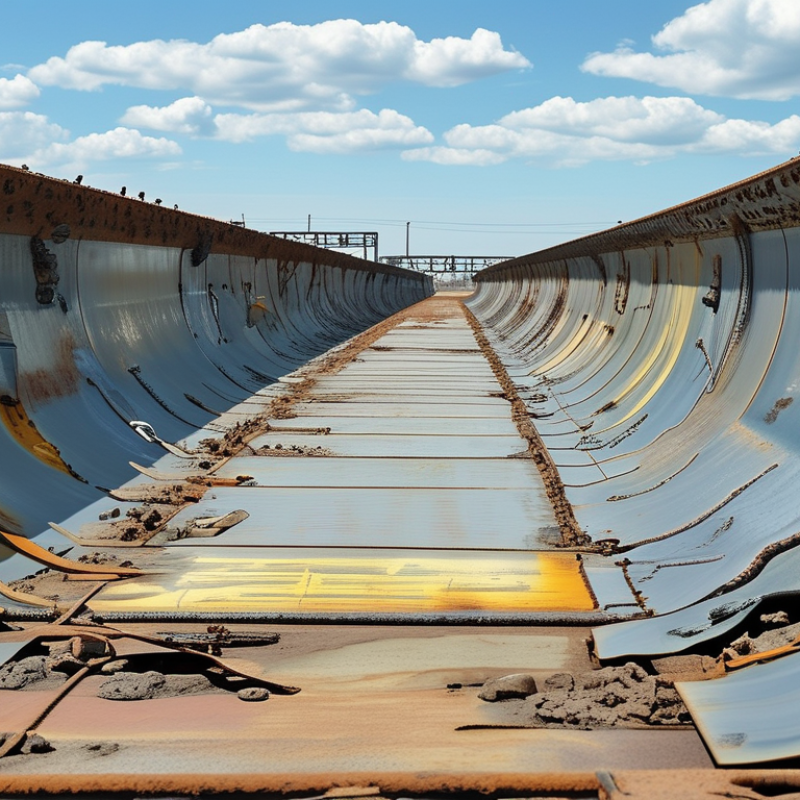
Corrosion is a natural process that results in the deterioration of metals. This process often stems from environmental factors like moisture, salinity, and temperature fluctuations. Understanding corrosion is crucial, as it can lead to significant financial losses. The National Association of Corrosion Engineers estimates that corrosion costs the U.S. economy around $297 billion annually, impacting various industries.
Different types of corrosion affect metals differently. For instance, galvanic corrosion occurs when two dissimilar metals come into contact. This often leads to rapid deterioration of the less noble metal. Galvanic corrosion can be devastating in industries like marine applications, where saltwater accelerates the process. Furthermore, pitting corrosion creates localized holes, posing challenges in pressure vessels and pipelines.
Addressing corrosion requires a solid understanding of its mechanisms. Prevention strategies must be tailored to specific environments and materials. This complexity means that reliance on generalized methods often fails. Even with protective coatings, issues can arise if the application isn't uniform. Regular inspection and maintenance are essential. Awareness of corrosion's implications can lead to better design choices and material selection, ultimately saving costs.
| Prevention Method | Description | Effectiveness | Cost |
|---|---|---|---|
| Coatings | Applying protective coatings like paint or powder to shield the metal from moisture and chemicals. | High | Medium |
| Galvanization | Coating iron or steel with a layer of zinc to provide a sacrificial barrier against corrosion. | Very High | High |
| Cathodic Protection | Using an electrical current to prevent corrosion on metal surfaces. | Very High | High |
| Alloying | Combining metals with other elements to improve resistance to corrosion, e.g., stainless steel. | High | Medium |
| Regular Maintenance | Conducting regular inspections and maintenance to identify and address corrosion early. | High | Low |
| Controlled Environments | Storing metals in controlled environments to minimize exposure to corrosive elements. | Medium | Medium |
| Use of Inhibitors | Chemicals that are added to environments to prevent the corrosion of metals. | High | Medium |
| Environmental Control | Using dehumidifiers, ventilation, or temperature controls to reduce moisture levels. | Medium | High |
| Proper Drainage | Ensuring proper drainage around metal structures to minimize water accumulation. | High | Low |
| Education and Training | Training personnel on corrosion prevention techniques and best practices. | Medium | Low |
: Consider the type of metal, application, and environmental factors like moisture and temperature.
Stainless steel contains chromium, which forms a protective layer against corrosion.
Aluminum develops a tough oxide layer, serving as a natural barrier to corrosion.
Regular maintenance helps identify early signs of corrosion and extends the lifespan of metal items.
Excess moisture accelerates oxidation, making humidity control crucial in preventing corrosion.
Clean the area immediately and consider applying a protective coating to prevent further damage.
No, coatings vary in effectiveness; choose those specifically designed for metal surfaces.
Use dehumidifiers and regularly inspect ventilation systems to control humidity levels.
Many overlook small issues, leading to bigger problems and costly repairs later.
Cost and availability can make other metals more suitable for specific projects.
Corrosion poses a significant threat to metal materials, which can lead to structural failure and increased maintenance costs. To understand how to prevent corrosion in metal materials, it is essential to grasp the nature of corrosion and its implications. This includes choosing the right metals known for their corrosion resistance. Protective coatings, such as paints and sealants, serve as barriers to environmental elements, further mitigating the risk.
Furthermore, environmental control plays a crucial role; managing humidity and minimizing exposure to harsh conditions can significantly reduce corrosion risks. Regular maintenance is equally important, involving timely inspections and repairs to identify and address early signs of corrosion. By implementing these strategies, one can effectively enhance the longevity and durability of metal materials, ensuring their optimal performance over time.

 Ramparts BuildCore