Metal roofing is often marketed as a long-life solution, but durability depends on what happens after installation. The U.S. Department of Energy reports that quality metal roofs can last 40 to 70 years. That range is impressive. It is not automatic.
Rain, salt air, tree debris, and trapped moisture gradually attack coatings and fasteners. A small scratch near a panel edge can become a rust stain after repeated wet seasons. The NRCA Roofing Manual stresses regular inspections as part of responsible roof management. Metal Construction Association guidance also highlights drainage, compatible materials, and correct cleaning methods. These details shape how to maintain metal roofing materials in real buildings, not just on product brochures.
Building-science expert Joseph Lstiburek has said, “A roof is a system, not a product.” That sentence deserves attention. Panels, seams, flashings, underlayment, insulation, gutters, and ventilation work together. Ignoring one component can shorten the roof’s service life. Maintenance is not glamorous. It is practical.
A reliable maintenance plan should include seasonal visual checks, safe debris removal, fastener review, coating inspection, and documented repairs. Use clean water and manufacturer-approved detergents. Avoid abrasive tools that expose bare metal. Coastal properties may need more frequent washing than inland buildings. This article explains how to maintain metal roofing materials through measurable, repeatable steps. It also examines common mistakes, because even careful owners sometimes clean too aggressively or delay minor repairs. The goal is not perfection. It is preventing small defects from becoming expensive failures.
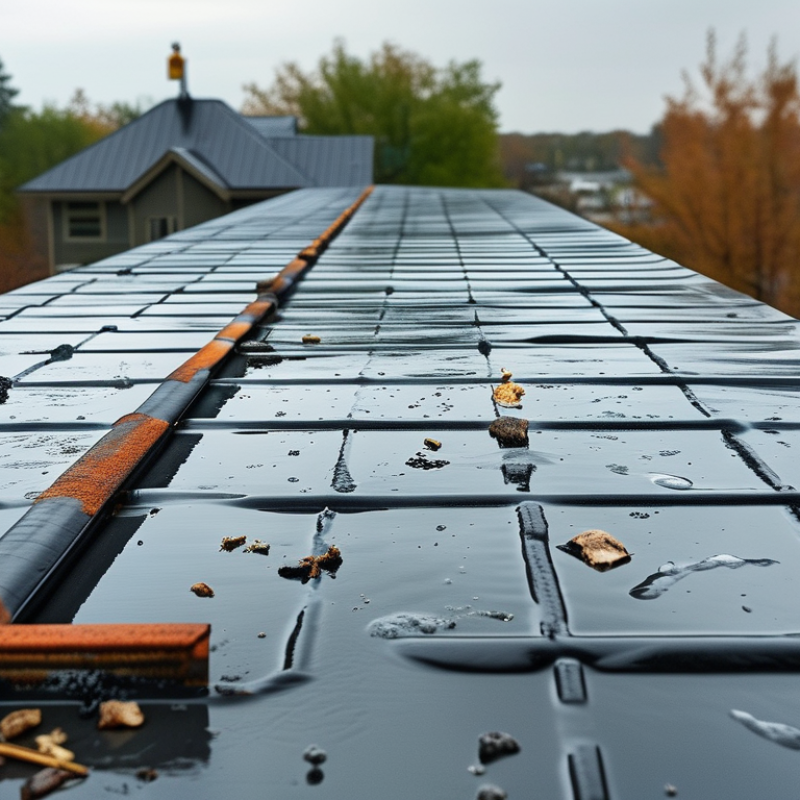
Understand Metal Roofing Materials and Their Maintenance Needs
How to Maintain Metal Roofing Materials for Long Life?
Metal roofing can last for decades, but its service life depends on material, finish, climate, and installation quality. Steel, aluminum, zinc, and copper respond differently to moisture, salt, heat, and movement. A coastal roof may develop corrosion faster than an inland roof. This difference matters before choosing a cleaning method. Experienced inspectors check the roof’s age, panel type, fasteners, seams, and drainage paths. They do not treat every metal roof alike.
Inspect the roof twice a year and after severe storms. Look for loose fasteners, lifted edges, blocked gutters, scratches, and trapped leaves. Small damaged areas can expose the base metal to water. Clean the surface with fresh water, mild detergent, and a soft brush. Avoid abrasive tools, strong bleach, and incompatible chemicals. These products may damage protective coatings or create uneven discoloration. Check for galvanic corrosion where different metals touch, especially around flashings and screws. Keep nearby branches trimmed, but do not walk on panels without proper training.
The easy advice is “inspect regularly.” Real buildings are less tidy. Gutters clog, repairs get delayed, and minor scratches are easy to overlook. That is where maintenance often fails. Use binoculars from the ground when possible, and hire a qualified roofing professional for steep or damaged areas. Keep records of cleaning, repairs, and unusual rust marks. A short note with a dated photograph can reveal changes that memory misses. Some problems still appear unexpectedly. That is normal, but ignoring them makes repair more expensive.
Inspect the Roof for Damage, Corrosion, and Loose Components
How to Maintain Metal Roofing Materials for Long Life?
Regular inspection is the most practical defense against early roof failure. The National Roofing Contractors Association recommends checking commercial roofs at least twice a year and after severe weather. Look for punctures, lifted seams, scratched coatings, and water stains beneath fasteners. Small defects often expand after repeated heat, rain, and freezing cycles.
Corrosion needs close attention. Inspect cut edges, panel laps, gutters, and areas where dissimilar metals touch. Orange staining is an early warning, not merely a cosmetic issue. The Metal Construction Association’s technical guidance identifies trapped moisture, damaged coatings, and incompatible metals as common corrosion risks. Loose screws also deserve careful handling. A missing washer can leave a tiny entry point. I have seen one loose component become a larger leak after several storms. That mistake is easy to underestimate.
Tips: Walk the roof only when conditions are dry and safe. Use binoculars from the ground when possible. Record each defect with a photo, location, and date. Do not apply random sealant over rust. Clean the area, identify the corrosion source, and follow the roofing system’s repair guidance. The U.S. Department of Energy’s building-envelope research emphasizes moisture control as a major factor in extending material performance. Still, inspection records are not perfect. Recheck old problem areas, especially around vents, penetrations, and drainage paths.
Clean the Metal Surface and Keep Drainage Paths Clear
How to Maintain Metal Roofing Materials for Long Life?
A clean metal roof sheds rainwater more effectively and reveals small problems early. Inspect the surface twice yearly, especially after strong wind or heavy snow. Look for loose fasteners, scratches, lifted edges, and rusty marks around penetrations.
Use a soft brush, clean water, and a mild detergent for ordinary dirt. Avoid abrasive pads and harsh chemicals. They can damage protective coatings.
Keep gutters, valleys, downspouts, and roof drains free from leaves and grit. Blocked drainage traps water against seams and encourages corrosion. Check that water flows freely after cleaning. A garden hose helps confirm the path.
Do not force debris into the downspout. Remove it by hand first. Never drag sharp tools across the panels.
If the roof is steep or wet, use a qualified professional instead of taking a risky step. A fall can happen quickly. It is also easy to dent panels by walking in the wrong place.
Tips:
Clean on a cool, dry day. Work from the ridge toward the eaves. Rinse detergent completely. Trim branches that scrape the roof during wind. Check gutters after nearby trees shed heavily.
I once overlooked a blocked valley during a routine check; the small damp patch became harder to explain later. That mistake taught me to inspect drainage, not just the visible metal. Keep dated photos and notes, even when everything appears fine.
Repair Coatings, Fasteners, Seals, and Minor Damage Promptly
How to Maintain Metal Roofing Materials for Long Life?
Metal roofing can last for decades, but small defects often grow quietly. I inspect panels after heavy rain, strong winds, and freezing weather. Look for peeling repair coatings, loose fasteners, cracked seals, and exposed metal. A flashlight helps reveal dark moisture lines beneath overlaps. Do not rely on appearance alone. Water may travel several feet before staining the interior. In my experience, early records prevent rushed repairs. Note the panel location, defect size, and inspection date.
Apply repair coatings only to clean, dry, sound surfaces. Remove loose material and surface rust with suitable tools. Follow the coating manufacturer’s coverage and curing requirements. Thick layers can trap moisture. They may also crack during temperature changes. Replace missing or backed-out fasteners with compatible corrosion-resistant screws and proper washers. Tighten them until the washer seats firmly, not until the panel dimples. I have seen over-tightening create leaks that looked like storm damage.
Renew cracked seals around penetrations, seams, and flashing before water enters the assembly. Use compatible sealant, and remove failed sealant completely. Small punctures may accept a fitted metal patch, secured and sealed along every edge. Larger tears need professional assessment. A missed pinhole is possible, even after careful work. Check the repair during the next rain, then record what changed. That habit reveals weak methods before they become expensive damage.
How to Maintain Metal Roofing Materials for Long Life?
Suggested maximum maintenance intervals for coatings, fasteners, seals, and minor damage
Inspect roof coatings and fasteners at least every 12 months, check seals twice a year,
clear debris every 6 months, and repair minor damage within 1 month to help prevent corrosion,
water intrusion, and premature material failure.
Schedule Seasonal Checks and Professional Maintenance Reviews
Seasonal checks protect metal roofing materials from small defects that become expensive failures. The National Roofing Contractors Association recommends regular roof inspections, commonly twice yearly and after severe weather. Schedule one in spring and another in autumn. Look for loose fasteners, open seams, damaged coatings, blocked gutters, and rust around cut edges. Pay attention to valleys and roof penetrations. Water often hides there.
A professional maintenance review should include fastener torque, sealant condition, flashing movement, and drainage performance. A qualified contractor can use close visual inspection and moisture testing when needed. The U.S. Department of Energy reports that properly maintained metal roofs can last 40 to 70 years. That range is not guaranteed. Neglected scratches, trapped leaves, or repeated ponding can shorten service life considerably. I have seen clean-looking panels conceal corrosion beneath poorly sealed details.
Tips: Keep branches away from the roof. Remove leaves before they stay wet. Do not walk on unfamiliar panels. Record photographs, repair dates, and unusual noises after storms. Ask the inspector to check expansion movement and incompatible metals. A seasonal checklist helps, but it is not perfect. Human oversight still misses details. Review the checklist each year, especially after hail, heavy snow, or strong wind.
FAQS
: Inspect it twice yearly and after severe storms. Check seams, fasteners, edges, gutters, and drainage paths. Storm damage can hide small leaks.
Steel, aluminum, zinc, and copper react differently to moisture, salt, heat, and movement. Coastal roofs may corrode faster. Do not use one cleaning method for every roof.
Look for loose screws, lifted edges, punctures, scratches, rust marks, and trapped leaves. Check water stains beneath fasteners. Small defects can grow through repeated weather cycles.
Use fresh water, mild detergent, and a soft brush. Clean on a cool, dry day. Rinse the detergent completely.
Avoid abrasive pads, sharp tools, strong bleach, and incompatible chemicals. They may damage protective coatings or cause uneven discoloration. Some damage appears later.
Leaves and grit can trap water against seams. Clear gutters, valleys, downspouts, and roof drains by hand. Confirm water flows freely afterward.
It can occur when different metals touch around screws, flashings, or panel edges. Inspect these areas closely. Orange staining needs attention, not dismissal.
Avoid walking on panels without proper training. Wet or steep surfaces are especially dangerous. Use binoculars from the ground when possible.
Take dated photos and note each defect’s location. Record cleaning, repairs, and unusual rust marks. Memory is unreliable.
Hire a qualified roofing professional for steep, damaged, or difficult-to-reach areas. Do not cover rust with random sealant. Identify the cause before repairing it.
Conclusion
Learning how to maintain metal roofing materials is essential for extending roof life, protecting the building, and avoiding costly repairs. Regular care begins with understanding the type of metal, finish, fasteners, seals, and protective coatings used on the roof. Inspect the surface for dents, scratches, rust, corrosion, loose panels, and missing or damaged components. Pay special attention to joints, edges, penetrations, and areas where water may collect.
Keep the roof clean by removing leaves, dirt, branches, and other debris that can trap moisture or block drainage paths. Repair damaged coatings, tighten or replace loose fasteners, renew worn seals, and address small areas of corrosion before they spread. Seasonal inspections are especially useful after storms, heavy rain, snow, or strong winds. In addition, schedule professional maintenance reviews periodically to identify hidden problems, confirm that drainage systems work properly, and ensure repairs are completed safely and correctly.

 Ramparts BuildCore