How Long Does Galvanized Steel Last in Different Conditions?

Time:2026-04-29 Author:Charlotte
0%

Galvanized steel is widely recognized for its durability and corrosion resistance. Many industries rely on this material for various applications, especially in construction and infrastructure. According to a report by the American Galvanizers Association, galvanized steel can last up to 50 years in some environments. However, the lifespan can greatly vary based on different conditions, such as moisture levels and exposure to corrosive elements.

When exploring the question of how long does galvanized steel last, it’s crucial to consider environmental factors. In coastal areas or industrial zones, galvanized steel may experience accelerated deterioration. This is due to higher humidity and exposure to corrosive agents. The National Association of Home Builders suggests that regular maintenance can further extend the life of galvanized steel, providing a solution to some of these challenges.

Understanding how long galvanized steel lasts is essential for making informed decisions. While this material offers substantial longevity, the variability in its lifespan poses questions for both builders and consumers. Each project requires careful assessment of conditions to maximize the benefits of galvanized steel. The balance between its strengths and potential vulnerabilities is an ongoing consideration for industry professionals.
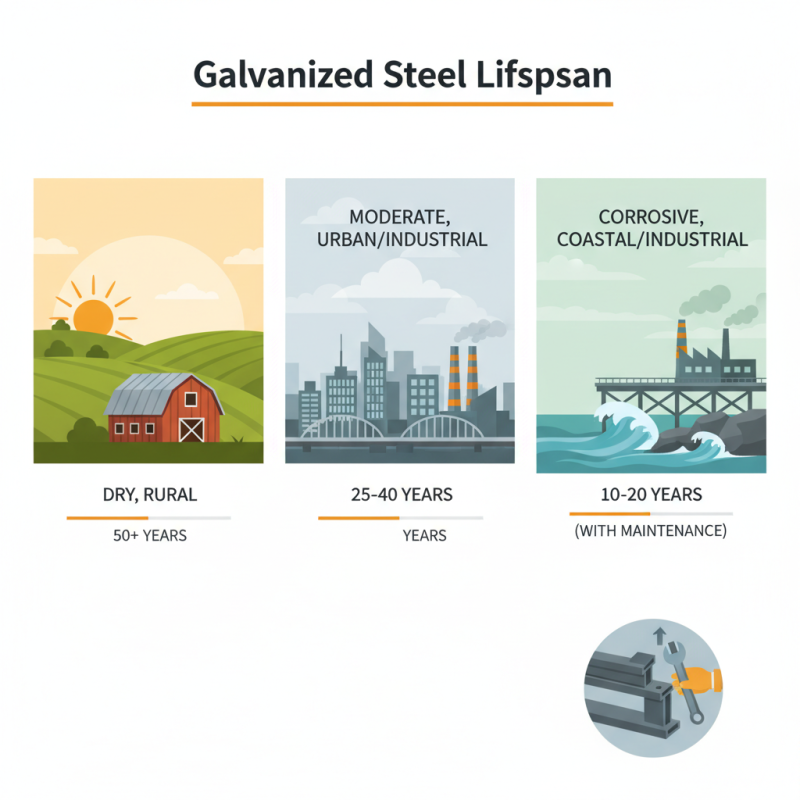
How Long Does Galvanized Steel Last in Different Conditions?

Factors Affecting the Lifespan of Galvanized Steel

Galvanized steel is popular for its durability, but various factors influence its lifespan. The environment plays a significant role. In coastal areas, saltwater can accelerate corrosion. Humid climates also invite rust. Both conditions can shorten the steel's life considerably. Protecting galvanized steel in these settings is crucial. Use coatings or barriers to enhance resistance.

Another factor is the thickness of the zinc coating. Thicker coatings generally provide better protection against corrosion. Industrial uses often require thicker layers to combat harsh conditions. Not all applications prioritize this, leading to potential issues down the line. Quality control during the galvanizing process is vital. Variability in the coating can affect overall durability.

Regular maintenance checks are also important. Simple inspections can detect early signs of wear. They allow for timely interventions that could extend the lifespan. However, some users overlook this step, leading to premature deterioration. Understanding these factors helps users make informed decisions about using galvanized steel in different environments.

Performance of Galvanized Steel in Coastal Environments

Galvanized steel is known for its durability, but its longevity varies in different environments. In coastal areas, the saltwater can significantly affect its performance. Salt accelerates corrosion, which can weaken the protective zinc layer over time. As a result, galvanized steel structures near the coast may require more maintenance compared to those in inland areas.

The thickness of the galvanized coating plays a crucial role in how well the steel performs. A thicker layer can offer better protection against corrosion from saltwater exposure. However, even with a thicker coating, factors like humidity and temperature fluctuations can impact its lifespan. Some structures may show signs of rust within a few years if they are not properly maintained, while others may last for decades.

Even with the best practices in place, unexpected challenges can arise. For instance, localized damage from physical impacts or scratches can expose the bare steel to corrosive elements. Regular inspections and timely repairs are essential to prolong the life of galvanized steel in coastal environments. This reflects the importance of proactive maintenance strategies that account for the unique challenges posed by coastal conditions.

Durability of Galvanized Steel in Industrial Areas

Galvanized steel exhibits impressive durability, particularly in industrial areas. According to the American Galvanizers Association, galvanized steel can last up to 50 years in rural environments. However, in harsher industrial conditions, factors like humidity, salt exposure, and chemical pollutants significantly impact its longevity. Reports indicate a reduction in lifespan to about 20-30 years under such circumstances.

One must consider the environmental challenges. Industrial areas often present higher levels of corrosive elements. A study by the National Association of Corrosion Engineers highlighted that zinc coatings can lose thickness at a faster rate when exposed to acidic or salty environments. Therefore, while galvanized steel provides an effective barrier against corrosion, specific conditions may accelerate the deterioration of its protective layer.

Surface maintenance also plays a crucial role. Routine inspections are essential to identify early signs of wear or corrosion. Ignoring these can lead to more significant structural problems over time. Industrial operators should invest in protective measures to enhance the lifespan of galvanized steel. Balancing cost with longevity can be challenging but is critical for long-term sustainability.

Comparison of Galvanized Steel Longevity in Different Climate Conditions

Galvanized steel is known for its durability, but its lifespan varies significantly depending on climate conditions. In coastal areas, the salty air can lead to faster corrosion. Here, galvanized steel may last around 10 to 15 years. In contrast, in arid or less humid climates, galvanized steel can easily survive 30 years or more. The lack of moisture reduces rust formation.

Tips: Regular maintenance can extend the life of galvanized steel. Inspect for any scratches or damages, as these spots are more vulnerable to rust. Applying a protective coating can also help in harsh conditions.

Temperature fluctuations can also impact longevity. In regions with extreme temperature changes, galvanized steel may experience cracking or other forms of wear. This can compromise its lifespan. Keeping an eye on these factors ensures you get the most out of your galvanized products.

Tips: Consider using stainless steel in highly corrosive environments. It provides better resistance, though it is more expensive. Always balance cost with durability based on your local conditions.

How Long Does Galvanized Steel Last in Different Conditions? - Comparison of Galvanized Steel Longevity in Different Climate Conditions

Climate Condition Average Lifespan (Years) Corrosion Rate Notes
Mild Climate 30-50 Low Minimal exposure to moisture and pollutants
Coastal Area 15-25 High Saltwater exposure accelerates corrosion
Industrial Region 10-20 Very High Pollutants and chemicals increase wear
Dry Desert 50+ Very Low Low moisture leads to minimal corrosion
Humid Tropical 15-30 Moderate High humidity can lead to rusting

Maintenance Practices to Extend the Life of Galvanized Steel

Galvanized steel offers impressive durability, but its longevity depends on various conditions. To extend the life of galvanized steel, regular maintenance is essential. This includes inspection for signs of wear, rust, or corrosion. Checking for damage can help identify issues before they worsen. Areas exposed to harsher environments, such as saltwater, require more frequent checks.

Cleaning is another crucial practice. Remove dirt, debris, and any contaminants that may trap moisture. Use a gentle scrub and clean water for maintenance. This simple step can significantly prevent rust formation. Additionally, consider applying a protective coating. This can provide an extra layer of defense against harsh elements.

While galvanized steel is generally resilient, some factors can hasten its deterioration. For instance, close proximity to other metals without adequate insulation can lead to galvanic corrosion. Weather conditions can also play a significant role in the steel's lifespan. Reflecting on these issues highlights the importance of proactive care and maintenance. Taking time to invest in these practices can prolong the life of galvanized steel and save future costs.

Longevity of Galvanized Steel in Different Conditions

This chart illustrates the estimated lifespan of galvanized steel in various environmental conditions. Coastal areas have the shortest lifespan due to increased corrosion factors, while inland conditions generally promote longer durability. Regular maintenance can help extend the life of galvanized products regardless of environmental exposure.

FAQS

: How long can galvanized steel last in industrial areas?

: In industrial areas, galvanized steel typically lasts about 20 to 30 years.

What factors affect the longevity of galvanized steel?

Humidity, salt exposure, and chemical pollutants are major factors that can reduce durability.

Why does galvanized steel corrode faster in certain environments?

Acidic or salty conditions can accelerate the wear of zinc coatings on galvanized steel.

How important is surface maintenance for galvanized steel?

Routine inspections are crucial. Ignoring wear and corrosion can lead to major structural issues.

Can climate conditions impact galvanized steel's lifespan?

Yes, coastal areas with salty air lead to faster corrosion, reducing lifespan to about 10-15 years.

What maintenance tips can help extend the life of galvanized steel?

Regularly inspect for scratches and damages. Applying protective coatings is also beneficial.

How do temperature changes affect galvanized steel?

Extreme temperature fluctuations can cause cracking and compromise the steel's longevity.

Should I consider using other materials in harsh conditions?

Stainless steel may offer better resistance, though it is more expensive. Balance cost and durability.

Is it difficult to maintain galvanized steel in industrial environments?

Yes, maintaining galvanized steel can be challenging but is necessary for long-term use.

What happens if maintenance is overlooked?

Delayed maintenance can lead to significant and costly structural problems over time.

Conclusion

The longevity of galvanized steel is influenced by several factors, which raise the question: how long does galvanized steel last? In coastal environments, the presence of saltwater significantly accelerates corrosion, potentially reducing the lifespan compared to installations in inland locations. Similarly, industrial areas, where air pollutants and harsh chemicals are prevalent, can further compromise the durability of galvanized steel.

Different climate conditions also play a crucial role, as extreme temperatures and humidity levels can affect the protective zinc coating. To extend the life of galvanized steel, regular maintenance practices such as inspections, cleaning, and applying protective coatings can be beneficial. By understanding the various conditions that affect its lifespan, users can make informed decisions regarding the use of galvanized steel in their projects.

Charlotte

Charlotte

Charlotte is a seasoned marketing professional with a deep understanding of the company's portfolio and a passion for elevating its presence in the market. With a keen eye for detail and a commitment to excellence, she ensures that our professional blog is regularly updated with insightful articles......