When considering construction materials, buyers frequently ask, "how long does galvanized steel last?" This question is crucial for anyone investing in durability and quality. Galvanized steel is coated with zinc. This coating protects the metal from corrosion and extends its lifespan.
However, the longevity of galvanized steel can vary based on several factors. The environmental conditions play a significant role. For instance, areas with high humidity or salt exposure can decrease its lifespan. Regular maintenance can also influence durability. Buyers must assess these factors before making a decision.
Understanding the lifespan of galvanized steel is not straightforward. While some sources suggest it can last 20 to 50 years, actual performance may differ. Variability in quality and application methods adds to the complexity. Therefore, potential buyers must consider thorough research and expert insights. Planning for maintenance and environmental impacts is essential. Investing time to learn about galvanized steel will yield better results in the long run.
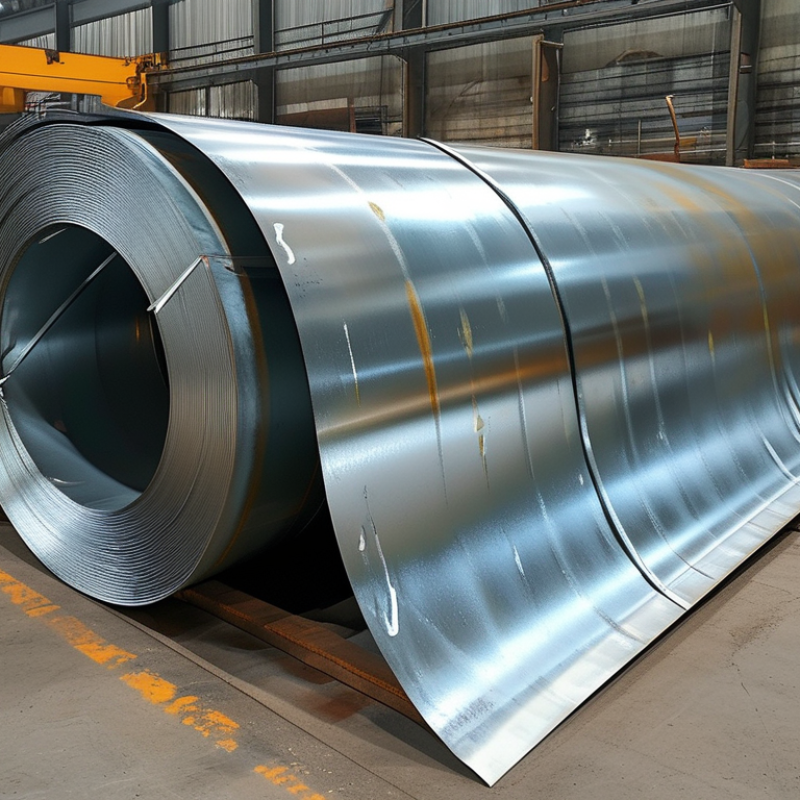
Galvanized steel is known for its durability, but several factors influence its longevity. Environmental conditions play a significant role. Areas with high humidity or salt exposure can accelerate corrosion. These conditions may require more frequent maintenance. Regular inspections are essential. They help identify early signs of wear or rust, which can prolong the metal's life.
Another critical factor is the thickness of the galvanization. Thicker zinc coatings generally offer better protection against rust. The method of galvanization also matters. Hot-dip galvanization creates a thicker layer than electro-galvanization. Yet, not all applications require the same protection. Choosing the correct method is vital for longevity.
Installation quality also impacts performance. Poorly installed galvanized steel may suffer from structural weaknesses. Uneven surfaces can trap moisture, leading to corrosion. It's essential to follow best practices during installation. Awareness of these factors can lead to better decision-making. Ensuring the right conditions and maintenance can enhance the lifespan of galvanized steel, yet some challenges remain in the harshest environments.
Galvanized steel is widely recognized for its durability. Its lifespan varies significantly depending on environmental factors. In rural areas, galvanized steel can last over 50 years. However, in areas with high levels of pollution, like urban settings, this lifespan may reduce to around 20-30 years.
Saltwater environments are particularly harsh. Structures in coastal regions often see a significant reduction in lifespan. According to industry reports, galvanized steel in seawater can corrode within five to seven years. Recognizing these factors is critical for project planning.
**Tips:** Regular inspections can identify early signs of corrosion. Consider additional protective measures in harsh environments. Always consult local environmental data to make informed decisions. Understanding these variables can optimize the lifespan of your galvanized steel investments.
| Environment | Average Lifespan (Years) | Corrosivity Level | Typical Applications |
|---|---|---|---|
| Rural Areas | 50+ years | Low | Fencing, Agricultural Structures |
| Urban Areas | 30-50 years | Moderate | Building Framework, Roofs |
| Coastal Regions | 15-25 years | High | Marine Structures, Outdoor Furniture |
| Industrial Areas | 10-20 years | Very High | Pipelines, Chemical Plants |
Galvanized steel can last for decades, but proper maintenance is vital. Regular inspections reveal potential issues early. Moisture and pollutants can cause corrosion. In industrial settings, exposure to chemicals may accelerate deterioration. According to industry reports, galvanized steel can last 50 years or more when properly maintained.
Environmental factors play a significant role. Coating thickness and quality matter. Thicker coatings provide better protection. A study from a leading materials research firm indicates that galvanized steel with a 100-micron coating can resist corrosion for over 60 years in mild climates. Regular cleaning helps avoid the buildup of corrosive substances.
One challenge is the maintenance routine. Many buyers overlook small repairs. Small rust spots can develop into larger issues. Left unchecked, they can compromise the integrity of the structure. Inadequate maintenance leads to short lifespans. Creating a proactive maintenance plan could extend the life of galvanized steel significantly. Balancing costs and efforts is crucial for long-term benefits.
This chart illustrates the expected lifespan of galvanized steel when exposed to different environmental conditions. Coastal areas typically reduce the lifespan due to high humidity and salt exposure, while rural settings allow for longer durability.
When evaluating the durability of galvanized steel, it’s important to compare it with other materials. Galvanized steel offers excellent corrosion resistance. This makes it last longer than untreated steel. Typically, it can endure between 20 to 50 years. Other options like aluminum and stainless steel also show great longevity, but their costs differ.
While galvanized steel thrives in various environments, it can be susceptible to chipping and scratching. Proper maintenance is essential. Regular inspections can help detect early signs of wear. One flaw is its limited performance in heavily acidic or alkaline conditions. Understanding these limitations is crucial before making a material choice.
Tips for ensuring longevity include applying protective coatings when possible. Choose quality products during the installation process. Additionally, be mindful of environmental factors. High humidity and salt exposure can decrease galvanized steel's lifespan. Thus, consider the surrounding conditions before making a decision.
Galvanized steel has become a popular choice in various sectors. Its longevity is influenced by the specific applications it serves. Construction and infrastructure projects, for example, utilize galvanized steel extensively. The protective zinc coating enhances resistance to corrosion, making it ideal for outdoor use, such as in bridges or railings.
In agriculture, galvanized steel is commonly found in fencing and equipment. Exposed to harsh conditions, these applications demand durability. Yet, failures can occur due to improper installation or inadequate maintenance. Over time, even galvanized products can rust if not properly protected. Market knowledge is essential to maximize lifespan.
The automotive industry also relies on galvanized steel. Vehicle components often encounter moisture and wear. However, the degree of exposure matters. Salt on roads can accelerate corrosion. Awareness of these factors helps manufacturers improve designs. Ultimately, understanding application context is key to maintaining galvanized steel's effectiveness.
: Environmental conditions, thickness of galvanization, installation quality, and maintenance frequency play a significant role.
High humidity can accelerate corrosion and may require more diligent maintenance and inspections.
Thicker zinc coatings provide better protection against rust, enhancing the metal's overall durability.
Poor installation can lead to structural weaknesses and moisture retention, which hastens corrosion.
Galvanized steel generally offers longer corrosion resistance than untreated steel but can chip or scratch.
Regular inspections, using protective coatings, and choosing quality products during installation are recommended.
It is widely used in construction, agriculture, and automotive, where durability is crucial.
Yes, even galvanized steel can rust if not maintained properly or if conditions are too harsh.
It has limited performance in heavily acidic or alkaline environments, affecting its longevity.
Salt exposure and extreme conditions can decrease its lifespan, making awareness of the surroundings essential.
The article "How Long Does Galvanized Steel Last for Global Buyers?" explores the longevity of galvanized steel, a material widely used in various applications. Several factors influence its lifespan, such as environmental conditions, exposure to moisture, and the quality of the galvanization process. On average, galvanized steel can last between 30 to 50 years, depending on its exposure to corrosive elements.
To enhance its durability, implementing regular maintenance practices is crucial. The article also compares the longevity of galvanized steel to other materials, highlighting its superior corrosion resistance. Key applications, from construction to automotive, showcase how usage impacts the expected lifespan. Ultimately, understanding "how long does galvanized steel last" is essential for buyers making informed decisions about material selection.
Ramparts BuildCore