When exploring materials for construction or manufacturing, a common query emerges: what is the cost difference between steel and aluminum? Industry expert Mark Thompson, a materials engineer, emphasizes the importance of understanding this distinction. He states, "Choosing between steel and aluminum isn’t just about cost; it’s about the application."
Steel and aluminum each have unique benefits and challenges. Steel is generally more affordable and offers high tensile strength. However, it can be heavier and prone to rust without proper treatment. On the other hand, aluminum is lighter and resists corrosion, yet it often comes at a higher price point.
Delving deeper into their costs reveals nuanced differences. While steel might save money upfront, aluminum can reduce long-term expenses through lower maintenance. Considering these factors helps in making informed decisions. Understanding the financial implications is crucial for ensuring that projects remain within budget.
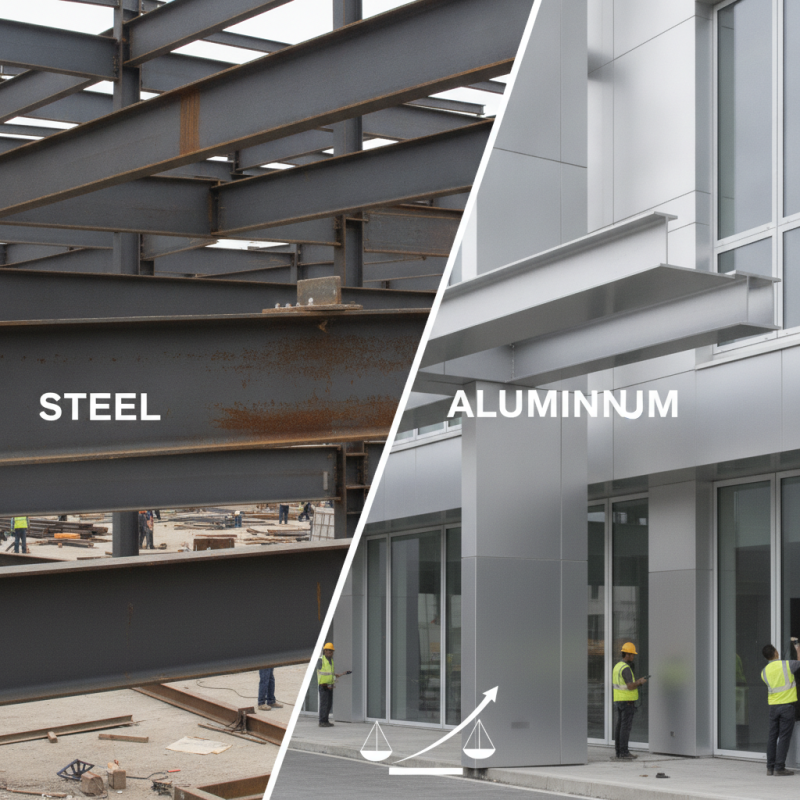
Understanding the Properties of Steel and Aluminum
When choosing between steel and aluminum, understanding their properties is crucial. Steel is known for its strength and durability. This makes it ideal for construction and heavy machinery. However, it can be heavier and more prone to rust without proper treatment. Proper corrosion protection techniques can be a challenge and add to costs over time.
Aluminum, on the other hand, is lighter and resistant to corrosion naturally. This property makes it a great choice for applications requiring less weight, like aviation and automotive parts. However, aluminum tends to be less strong than steel, especially for heavy loads. Its production process can also be more energy-intensive, raising sustainability concerns.
Both materials have advantages and drawbacks. Steel has unmatched tensile strength, making it reliable for structural applications. Aluminum offers flexibility and ease of installation but may not withstand heavy impacts well. Choosing the right material means weighing these factors against the specific needs of your project. This decision warrants careful consideration, as it can significantly impact performance and cost.
Assessing the Cost Factors of Steel vs Aluminum
When choosing between steel and aluminum, cost factors greatly influence the decision-making process. Steel typically has a lower upfront cost, making it appealing for budget-conscious projects. However, its weight can lead to higher transportation and labor costs. On the other hand, aluminum is lighter, allowing for easier handling and installation, which can offset its often higher initial price. This trade-off is crucial in determining overall project expenses.
Durability and maintenance should also be considered. Steel, while strong, may require more upkeep to prevent rusting, particularly in harsh environments. Aluminum is more resistant to corrosion, translating to lower long-term maintenance costs. However, the initial cost difference may lead to second thoughts. Understand the specific requirements of your project, as these can dramatically affect both short-term and long-term budgets. It’s a balancing act, where initial savings may not equate to long-term value.
Cost Comparison: 5 Tips for Choosing Steel vs Aluminum
| Material |
Initial Cost ($ per ton) |
Weight (kg per m²) |
Durability (years) |
Maintenance Cost ($ per year) |
Recyclability (%) |
| Steel |
900 |
8.0 |
50 |
200 |
95 |
| Aluminum |
2500 |
2.7 |
30 |
50 |
100 |
Analyzing Durability and Strength Requirements
When choosing between steel and aluminum, durability and strength are crucial factors. Steel is known for its high tensile strength. It can withstand heavy loads and harsh environments. This makes it ideal for structural applications like bridges and commercial buildings. However, steel is heavier, which can complicate transport and installation. When strength is the primary concern, steel often emerges as the clear winner.
On the other hand, aluminum offers significant benefits in lightweight applications. It is approximately one-third the weight of steel, allowing for easier handling and reduced shipping costs. Aluminum also possesses excellent corrosion resistance, making it suitable for coastal environments. This potential longevity can offset initial cost differences. Though not as strong as steel, advances in aluminum alloys have enhanced its structural integrity. It can hold up under various conditions, but it still requires careful selection for specific uses. Balancing these aspects can lead to mixed outcomes, and it's essential to consider the unique demands of your project or application.
Evaluating Weight and Weight-Bearing Needs
When evaluating materials, weight is a crucial factor. Steel is heavier than aluminum, which affects overall project weight. The density of steel is around 7850 kg/m³, while aluminum has a density of about 2700 kg/m³. This significant difference means that aluminum can reduce overall weight by more than half in similar-sized components.
In weight-bearing applications, the strength-to-weight ratio matters. Steel has a higher tensile strength, which makes it ideal for heavy-duty structures. For example, structural steel can have a yield strength of over 300 MPa. In contrast, aluminum typically has a yield strength range of 70-700 MPa, depending on the alloy. This variance means aluminum structures may need to be designed thicker to bear the same load.
Choosing between these materials also requires understanding the operating environment. Aluminum resists corrosion better, making it suitable for applications exposed to harsh conditions. Nevertheless, factors such as cost and durability must be weighed. While aluminum is lighter, it may not always be the most economical choice. Balancing these aspects is essential for effective material selection.
Considering Environmental Impact and Sustainability Factors
The choice between steel and aluminum is not just a matter of cost. Environmental impact and sustainability factors heavily influence this decision. A study by the World Steel Association indicates that steel production is responsible for about 8% of global greenhouse gas emissions. This is significant when considering the larger context of climate change.
Aluminum presents a lighter alternative, but it has its own environmental footprint. The extraction and refining of bauxite, the primary ore of aluminum, involves intensive energy consumption. According to the International Aluminum Institute, producing primary aluminum emits three times more CO2 than steel production. However, aluminum is highly recyclable, with recycling rates of up to 90%. This greatly reduces its overall environmental impact in the lifecycle of products.
Choosing between these metals requires careful consideration. For instance, industries focused on sustainability may favor aluminum due to its recycling benefits. However, the initial environmental cost of aluminum extraction cannot be ignored. The decision is not simple, and understanding these nuances is essential for responsible sourcing.
FAQS
: Steel is strong and durable. It’s ideal for construction and heavy machinery.
Steel can be heavy and prone to rust. Proper treatment is necessary and can be costly.
Aluminum is lighter than steel. This makes it suitable for applications requiring less weight.
No, aluminum is generally less strong, especially under heavy loads.
Steel typically has a lower initial cost, but higher transport and labor costs may offset savings.
Steel may need more upkeep to prevent rusting in harsh environments.
Steel production contributes significantly to greenhouse gas emissions, while aluminum has a high extraction footprint.
Yes, aluminum is highly recyclable, but its initial production emits more CO2 than steel.
Yes, short-term savings may not reflect long-term value, so consider your project's specific needs.
Consider strength, weight, cost, maintenance, and environmental impact for responsible sourcing.
Conclusion
When comparing steel and aluminum, a key consideration is what is the cost difference between steel and aluminum. Understanding the properties of these two materials is essential, as steel typically offers greater strength at a lower initial cost, while aluminum is lighter and more resistant to corrosion, which can affect long-term operational costs.
Evaluating cost factors involves not just the price per weight but also how durability and weight-bearing requirements play into overall expenditure. Steel's robustness makes it a preferred choice for structural applications that demand high strength, while aluminum's lightweight nature is beneficial for applications where weight reduction is critical. Additionally, assessing the environmental impact and sustainability factors can influence material choice, as aluminum can be more environmentally friendly due to its recyclability. Ultimately, the decision between steel and aluminum should factor in these various aspects to ensure the best material is chosen for the specific project needs.

 Ramparts BuildCore