What Are Common Problems in Metal Processing?

Time:2026-07-05 Author:Aria
0%

Metal processing is an essential part of various industries. This field involves shaping and refining metals into products that meet specific requirements. However, it is not without challenges. Understanding what are common problems in metal processing can help manufacturers mitigate risks. These issues can lead to defects, increased costs, and production delays.

Manufacturers often encounter problems such as tooling wear, thermal expansion, and inadequate material properties. Tooling wear can cause precision issues and reduce overall efficiency. Thermal expansion may result in dimensional inaccuracies, affecting the final product. Additionally, using inappropriate materials can lead to failures or subpar performance. These problems highlight the complexity of metal processing and emphasize the need for expertise in the field.

Addressing these common problems requires careful planning and monitoring. Implementing quality control measures and continuous training can enhance production reliability. It's vital to identify and reflect on recurring issues to improve processes. By acknowledging these challenges, companies can strive for better outcomes in metal processing.
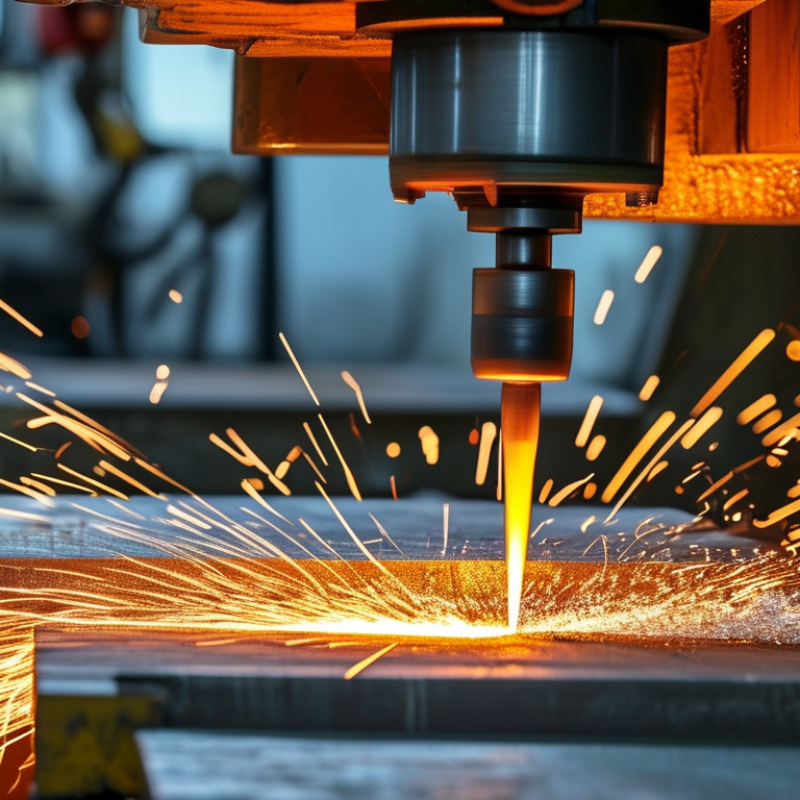
What Are Common Problems in Metal Processing?

Types of Metal Processing Techniques and Their Challenges

Metal processing encompasses various techniques, each with unique challenges. For instance, welding, a common method for joining metals, often encounters issues like distortion and incomplete fusion. A misalignment can lead to structural weaknesses. Proper training can minimize these risks, but they still occur frequently.


Machining is another widely used technique. It involves removing material to shape the final product. However, tool wear can significantly impact the precision. Operators must frequently inspect tools for wear and tear, which sometimes gets overlooked. This negligence can result in defects in the finished items.


Casting presents its own set of difficulties. Pouring molten metal into molds can lead to issues like shrinkage or air pockets. These defects often necessitate costly rework. While advancements in technology help mitigate some challenges, human error remains a consistent factor. Continuous education and improved quality control measures are essential in addressing these common problems within metal processing.

Common Defects in Metal Products and Their Causes

Metal processing often faces various issues that can lead to product defects. Common defects include surface imperfections, dimensional inaccuracies, and structural weaknesses. Each type of defect arises from specific causes linked to the processing methods used.

Surface imperfections often stem from poor machining techniques or inadequate finishing processes. Scratches or dents can occur during handling or transport. Dimensional inaccuracies may result from tool wear, causing parts to be cut incorrectly. Structural weaknesses are frequently associated with improper heat treatment, leading to brittleness or failure under stress.

Another challenge is contamination during production. Foreign materials can compromise the integrity of metal parts. These issues require careful monitoring and control throughout the manufacturing process. Identifying the root causes is crucial for improving product quality. Regular audits and process evaluations can help mitigate these common problems.

Impact of Material Selection on Processing Issues

Material selection plays a crucial role in metal processing. Different metals respond uniquely to various techniques. For instance, aluminum is lightweight and malleable, making it suitable for intricate designs. However, its softness can lead to deformation during machining. This aspect requires careful handling to avoid defects. In contrast, stainless steel is more robust but can be challenging to cut due to its hardness. Choosing the wrong material can result in significant processing issues.

Furthermore, improper material selection can cause failures down the line. A metal that is too brittle might fracture under stress, leading to costly repairs or replacements. Additionally, inconsistencies in material quality can result in unpredictable behavior during processing. These problems highlight the importance of thorough material evaluation. Understanding the characteristics of each metal helps in making informed decisions. It’s essential to weigh factors like strength, ductility, and thermal properties to optimize manufacturing processes.

Common Problems in Metal Processing

This bar chart illustrates the frequency of common problems encountered in metal processing. The data represents the number of occurrences of various issues such as material selection, tool wear, temperature control, surface finish, and dimensional accuracy. Addressing these problems is critical for improving production efficiency and product quality.

Effect of Processing Conditions on Metal Quality

Processing conditions significantly affect metal quality during metal processing. Factors like temperature, pressure, and speed play critical roles. For instance, incorrect heating temperatures can lead to uneven hardness. This inconsistency in quality often results in product failures.

Additionally, improper pressure can create defects in the metal's structure. Too much pressure can cause cracking, while too little can result in insufficient compaction. Each defect can influence the overall performance. Monitoring these conditions is essential. Quality control measures should be implemented to address these issues proactively.

Moreover, the choice of materials interacts with processing techniques. Inadequate material preparation can lead to contamination, reinforcing the need for meticulous attention to detail. Regular equipment maintenance also contributes to consistent results. Industry professionals must remain vigilant in adapting to advancements in processing technology to ensure optimal metal quality.

Solutions and Best Practices for Mitigating Problems in Metal Processing

Metal processing presents several challenges that can affect productivity and quality. One common issue is tool wear. Excessive wear can lead to poor surface finishes and dimensional inaccuracies. Regular monitoring and timely replacement of tools are crucial. Implementing predictive maintenance strategies can help identify wear patterns early, reducing downtime.

Another area to address is thermal distortion during machining. This problem occurs when heat from cutting leads to changes in the material’s dimensions. Using efficient cooling techniques can mitigate this issue. Adjusting machining parameters, such as feed rates and speeds, also plays a role. Managing the thermal environment aids in maintaining the integrity of the workpiece.

In addition to these technical solutions, fostering a culture of continuous improvement is essential. Employees should feel empowered to report inconsistencies. Regular training and knowledge sharing promote best practices. Encouraging feedback loops can lead to innovative solutions over time. Embracing a proactive approach ensures a robust metal processing operation.

FAQS

: What are common defects in metal products?

: Common defects include surface imperfections, dimensional inaccuracies, and structural weaknesses.

What causes surface imperfections?

Poor machining techniques and inadequate finishing processes often lead to surface imperfections.

How can scratches or dents occur?

Scratches and dents can occur during handling or transport of metal products.

What leads to dimensional inaccuracies?

Tool wear during machining can cause parts to be cut incorrectly, resulting in inaccuracies.

Why do structural weaknesses happen?

Improper heat treatment can create structural weaknesses, making materials brittle or prone to failure.

How does material selection affect processing?

Different metals respond uniquely to processing techniques, impacting defect rates and quality.

What issues arise from improper material choice?

Choosing brittle materials can lead to fractures under stress, causing costly repairs.

What happens with inconsistent material quality?

Inconsistencies can lead to unpredictable processing behavior, impacting product reliability.

What must be done to improve product quality?

Identifying root causes and conducting regular process evaluations can help mitigate defects.

Why is understanding metal characteristics important?

Knowledge of metal properties aids in informed decisions, optimizing manufacturing processes significantly.

Conclusion

In the field of metal processing, understanding "what are common problems in metal processing" is essential for ensuring quality and efficiency. Various metal processing techniques, such as welding, casting, and machining, each present unique challenges, including issues like warping, cracking, and surface defects. These defects often arise from factors such as improper material selection, which can lead to inadequate performance, and unfavorable processing conditions, which affect the overall quality of metal products.

Additionally, addressing these problems requires an awareness of best practices and solutions that can mitigate the risks associated with metal processing. Implementing rigorous quality control measures, selecting appropriate materials, and optimizing processing parameters can significantly enhance the final product's integrity. By understanding the common challenges and their causes, manufacturers can adopt strategies that improve production outcomes and reduce defect rates in metal processing.

Aria

Aria

Aria is a dedicated marketing professional with a deep passion for innovative strategies and a keen understanding of our company's product offerings. With a wealth of experience in the industry, Aria excels at crafting engaging content that highlights the unique features and benefits of our......