Choosing the right steel pipe for construction can significantly impact project outcomes. According to a report from the American Iron and Steel Institute, approximately 70% of all construction projects rely on steel pipes for structural integrity. This underscores the importance of making informed decisions.
Industry expert James Connors emphasizes, "Selecting the right steel pipe means understanding not just the material, but also the specific demands of your project." When considering how to choose the right steel pipe for construction, factors such as pipe type, diameter, and thickness are crucial. Each project has its unique requirements, and one-size-fits-all solutions often fail to meet safety standards or budget constraints.
Many contractors overlook these factors, leading to costly mistakes. Piecing together the right specifications is not always straightforward. Misjudgments can result in delays and increased expenses. Navigating these choices requires not just expertise, but also a willingness to analyze and adapt. Observing current trends and consulting with knowledgeable professionals can make a significant difference in selecting the right steel pipe.
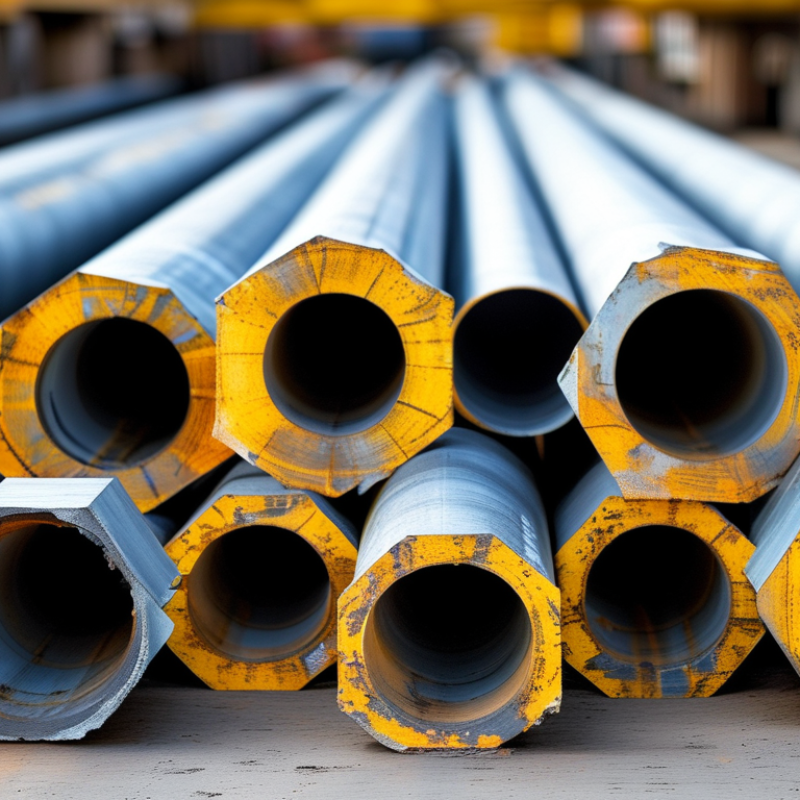
Choosing the right steel pipe for construction involves understanding specific requirements. Factors like material type, size, and thickness play crucial roles. Different projects demand different specifications. For instance, a plumbing project requires pipes that can handle high pressure, while structural uses may call for strength and durability.
Tips: Always consider the environment. Corrosion resistance is vital in humid or chemical-prone areas. Check local regulations too. Certain standards must be met for safety.
It's important to reflect on your project's unique needs. Not all steel pipes are equal. Sometimes, cheaper options may lack necessary quality. Evaluating the full lifecycle of the pipe is also wise. Look at maintenance and longevity. Prioritize reliability over initial cost. This could save you from costly repairs down the line.
When selecting steel pipes for construction, it's essential to understand their various types and applications.
Welded steel pipes are common in structural applications. They are produced by welding steel plates, making them a cost-effective choice. However, the weld quality can vary, impacting strength. It's crucial to assess the welding process used to ensure reliability in construction.
Seamless steel pipes, on the other hand, offer superior strength and durability. They are manufactured without seams, making them less prone to leaks. This characteristic makes them ideal for high-pressure applications, such as gas and oil transportation. Despite their advantages, seamless pipes can be more expensive and sometimes harder to source.
Another option is galvanized steel pipes, which are coated with zinc to prevent corrosion. This feature makes them suitable for outdoor or moisture-rich environments. However, they may not be as structurally sound as other types when used in heavy-load applications. Understanding each pipe's application helps in making informed decisions, but there is always a balance between cost and quality to consider.
When selecting steel pipes, understanding grades and specifications is crucial. Steel pipes come in various grades, each determined by their chemical composition and mechanical properties. For instance, Grade A pipes are commonly used for low-pressure applications. In contrast, Grade B pipes are suited for higher pressure situations. This distinction makes it easier to choose the correct pipe for your project.
Different standards like ASTM, API, and ISO provide guidelines on pipe dimensions, wall thickness, and performance characteristics. These specifications can be complex. It's essential to review your project requirements carefully. Each standard has unique benefits, but the best choice depends on the specific conditions of use. Transporting chemicals, high temperatures, and environmental factors all influence the steel pipe selection.
Misunderstanding these specifications can lead to inappropriate choices. For example, using a lower-grade pipe in high-stress environments can cause failures. This highlights the importance of thorough research and consultation with professionals. In addition, regularly updating knowledge about steel grades ensures informed decisions over time. Each construction project has its nuances, and reflecting on past choices may lead to better outcomes.
When evaluating the strength and durability requirements for your construction project, consider the environmental conditions. Different projects face unique stresses. For instance, buildings in coastal areas need corrosion-resistant pipes, while those in seismic zones require enhanced tensile strength.
Tips: Look for pipes tested for pressure. Structural-grade steel is often a reliable choice. Ensure that your selected pipe meets specific certifications for construction use.
In addition, assess the anticipated loads. Heavy-duty applications demand higher strength materials. However, choosing over-engineered solutions can lead to unnecessary costs. Balancing strength with efficiency is key.
Consider the installation process as well. Some materials may be harder to work with, affecting project timelines. Seek expert advice to align your choices with your specific needs.
When considering steel pipe procurement, budgeting is essential. Costs can vary greatly based on pipe specifications, volume, and delivery options. Understanding these factors will help you develop an accurate budget.
In addition to the base cost of the steel pipe, consider shipping and handling. Transporting heavy pipes adds to your expenses. Don’t forget about additional coatings and treatments, which can improve durability but also increase the budget. An unexpected spike in raw material prices can disrupt financial plans, so make allowances for fluctuations.
Not all suppliers provide the same value. Some may have lower initial prices but hidden fees. Engaging multiple suppliers for quotes can clarify market standards. Also, reflect on your project's needs regularly. Budget gaps can emerge if specifications change. Keep communication open with your procurement team to navigate these challenges effectively.
: Material type, size, and thickness are essential. Ensure they meet your project's unique specifications.
Humid or chemical-prone areas require pipes that resist corrosion. This can extend pipe lifespan significantly.
Each grade has different properties. For instance, Grade A suits low pressure, while Grade B handles higher stress.
Review ASTM, API, and ISO guidelines. Each standard outlines crucial pipe dimensions and performance characteristics.
Yes, it can cause failures in high-stress scenarios. It's vital to understand your project's specific needs.
Assess local factors like humidity and seismic activity. Choose materials accordingly for better durability.
Absolutely. Cheaper options can lead to costly repairs later. Long-term effectiveness is often worth the investment.
Installation difficulty affects timelines. Some materials may be challenging to work with; expert advice is helpful.
Consider expected loads and environmental stresses. Heavy-duty applications need high-strength materials, but balance is key.
Regular updates are crucial. Keeping informed helps you make better choices for future projects.
When considering how to choose the right steel pipe for construction, several key factors must be evaluated to ensure optimal performance and cost-effectiveness. Firstly, understanding the various types of steel pipes and their specific applications is crucial, as this will help in selecting the most appropriate option for your project's requirements. Moreover, one should pay close attention to steel pipe grades and specifications, which dictate the material properties and suitability for different environments.
Additionally, evaluating the strength and durability requirements of the project ensures that the selected steel pipe can withstand the anticipated loads and conditions. Finally, cost considerations play a significant role in the procurement process; budgeting effectively can prevent overspending while still achieving the necessary quality. By carefully weighing these factors, you can make an informed decision on how to choose the right steel pipe for construction, ensuring the success of your project.

Ramparts BuildCore