When planning a roofing project, a common question arises: what is the best thickness for roofing sheets? According to Dr. Emily Hart, a leading expert in roofing materials, "The thickness of roofing sheets directly influences both durability and insulation." Understanding this concept is vital for homeowners and builders alike.
Choosing the right thickness can significantly impact the longevity and performance of your roof. Roofing sheets typically come in various thicknesses, and each thickness serves different purposes. Thicker sheets offer better strength against harsh weather conditions but may come at a higher cost. Conversely, thinner sheets may be more economical, yet they might compromise durability over time.
Many factors influence the decision on thickness, including climate, budget, and building codes. As you weigh your options, consider reflecting on your specific needs and environmental conditions. The right choice can enhance your home's efficiency and safety, ultimately leading to a more sustainable investment.
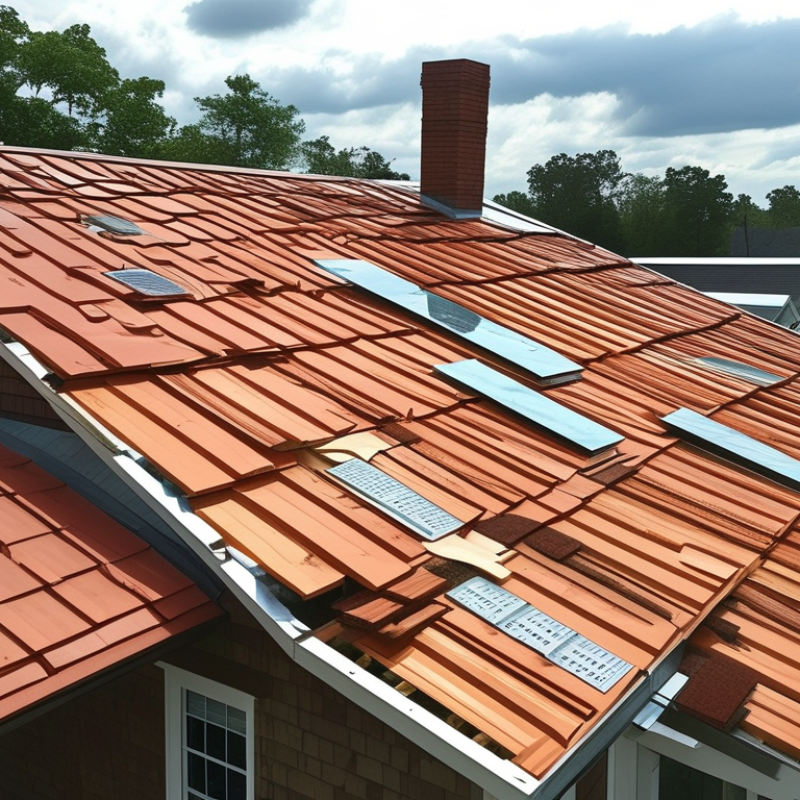
Understanding Roofing Sheet Thickness: Key Considerations
When considering roofing sheet thickness, a few key factors play a crucial role. The thickness often determines the durability and lifespan of your roofing. Thicker sheets generally provide better protection against harsh weather conditions. They can withstand impacts better than thinner ones. However, thicker isn’t always better. It can lead to added weight and increased costs.
Choosing the right thickness is essential. Analyze your local climate. If you live in a storm-prone area, thicker sheets may be necessary. On the other hand, lightweight sheets might suffice in milder climates. Consider your roofing’s structure as well. Certain buildings have weight restrictions that don’t allow for heavy materials.
Tips: Always consult building codes. They often specify minimum thickness requirements. Don’t overlook proper installation. Poor installation can negate the benefits of a thicker sheet. Finally, evaluate your budget carefully. Sometimes, it’s wise to invest a bit more upfront for quality materials rather than face future repairs.
Common Roofing Sheet Materials and Their Thickness Options
When choosing roofing sheets, the material type significantly impacts the thickness options available. For instance, metal roofing sheets often range from 0.4 mm to 1.2 mm. Thicker sheets add durability but can increase costs. A 0.8 mm sheet is often a standard measure, providing a good balance of strength and affordability.
Plastic sheets, such as polycarbonate, usually come in thicknesses from 0.8 mm to 12 mm. Thicker sheets are more effective at reducing noise and improving insulation. However, they can be heavier and more challenging to install. For example, a 10 mm polycarbonate sheet offers excellent UV protection but requires a sturdy frame.
Asphalt shingles typically have a standard thickness of about 3/8 inch. They are widely used due to their affordability. Yet, thinner options may not withstand harsh weather as effectively. Consider local climate conditions when selecting thickness. A thicker material may cost more upfront but can save money on repairs over time.
Impact of Thickness on Durability and Lifespan of Roofing Sheets
The thickness of roofing sheets plays a crucial role in their overall durability and lifespan. Industry reports indicate that sheets with a thickness of 0.5 mm to 0.7 mm typically offer a suitable balance between strength and weight. Thicker sheets, while more robust, can be unwieldy and expensive. Thinner materials might save costs but often lead to increased degradation over time, especially under harsh weather conditions.
According to a study by the Association of Roofing Professionals, thicker sheets are significantly more resistant to impacts and extreme temperatures. Roofing materials with a thickness of 0.8 mm can withstand hailstones of up to 25 mm without significant damage. However, the increased weight can strain the underlying structure. Installation challenges may arise with heavier materials, requiring professionals to ensure proper support.
Yet, it’s worth noting that thicker doesn’t always mean better. Installation errors can lead to leaks, regardless of material thickness. Therefore, the chosen thickness should consider the environmental conditions and specific roofing requirements. Balancing cost, weight, and durability is critical to achieving a successful roofing project.
Impact of Thickness on Durability and Lifespan of Roofing Sheets
Factors to Consider When Choosing Roofing Sheet Thickness
When it comes to
roofing sheets, thickness is a critical factor. The ideal thickness influences
durability, insulation, and cost. Industry reports suggest that roofing sheets typically range from 0.4 mm to 1.2 mm. However, the optimal thickness often depends on your specific environment. Heavy rain, snow, or high winds may necessitate thicker sheets.
Weather resistance greatly relies on the sheet's thickness. A thicker sheet can withstand severe conditions better than a thinner one. For instance, a sheet over 0.7 mm is generally recommended for areas prone to extreme weather. The change in material thickness could affect your roofing's longevity.
Tip: Always consider local weather patterns before making your choice. Also, consult building codes, as they may specify minimum thickness for your area.
Aesthetic appeal matters too. Thicker sheets may offer fewer design options. For residential areas, 0.5 mm to 0.7 mm sheets offer a balance of strength and visual appeal. A thicker sheet could lead to higher costs, not just in materials but in transportation and installation long-term. This trade-off requires careful consideration based on individual needs.
Recommended Thickness for Different Roofing Applications
When selecting the right thickness for roofing sheets, various factors come into play. For residential roofing, a thickness of
0.4 to 0.5 mm is often recommended. This provides adequate durability against weather elements.
These sheets can withstand moderate impacts and offer decent insulation. However, they might not suffice in areas prone to severe weather.
For commercial buildings, thicker sheets ranging from
0.6 to 0.7 mm
are advised. This added thickness enhances resistance against heavy rain, strong winds, and potential hail damage. These roofs can support heavier loads, making them ideal for flat roofs or structures bearing mechanical units. Yet, even thicker materials may face wear and tear over time, particularly in extreme climates.
In specialized applications, such as industrial settings, a thickness of
0.8 mm or more is often necessary. These roofs must endure heavy machinery and environmental stressors. However, thicker sheets can also result in higher costs and may require more robust support structures.
Choosing the right thickness involves balancing cost, durability, and the specific needs of the building. Each situation demands careful consideration and potential reevaluation of initial decisions.
FAQS
: Metal roofing sheets typically range from 0.4 mm to 1.2 mm.
Thicker sheets generally provide better durability. They can withstand harsh weather conditions more effectively.
Asphalt shingles usually have a standard thickness of about 3/8 inch.
Consider local climate, aesthetic appeal, and potential long-term costs.
Yes, thicker plastic sheets improve insulation and reduce noise, but they can be heavier.
Thicker sheets can lead to higher material, transport, and installation costs.
Severe weather conditions may necessitate thicker sheets for better resistance.
Yes, local codes may specify minimum thickness requirements for your area.
Look for materials between 0.5 mm and 0.7 mm for strength and aesthetic appeal.
Yes, thicker materials can mean higher costs but may save on repairs long-term.
Conclusion
When determining what is the best thickness for roofing sheets, several key considerations must be taken into account. Understanding roofing sheet thickness involves examining the various materials available, such as metal, PVC, and asphalt, each offering different thickness options that influence performance. The thickness of the roofing material significantly impacts its durability and lifespan, making it essential to select a thickness that can withstand local weather conditions and potential wear over time.
Furthermore, factors such as the specific roofing application, environmental conditions, and structural requirements should all inform the choice of thickness. For residential applications, a thickness typically ranging from 0.4mm to 0.7mm is often recommended, while commercial projects may necessitate thicker options for enhanced strength and longevity. Ultimately, selecting the appropriate thickness for roofing sheets is crucial for ensuring the roof's effectiveness and resilience.

 Ramparts BuildCore