Best Metals for Roofing Applications 2026?

Time:2026-05-05 Author:Aria
0%

When considering roofing materials, the question arises: what is the best metal for roofing applications? The answer depends on various factors, including durability, weight, cost, and climate. In 2026, the landscape of roofing metals continues to evolve. Homeowners and builders seek materials that not only enhance aesthetics but also provide robust protection.

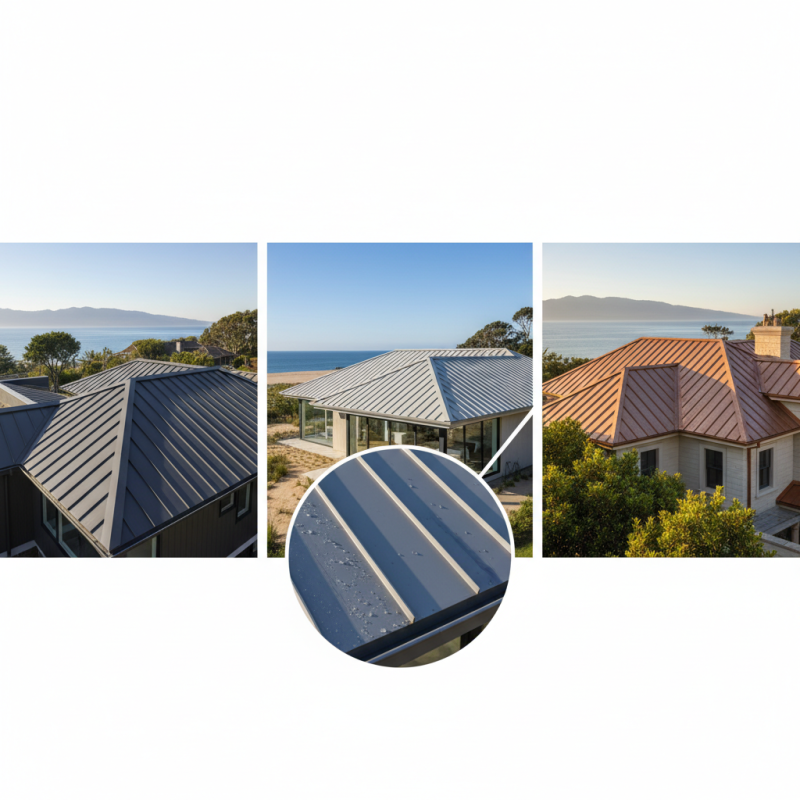
Popular options include steel, aluminum, and copper. Steel is known for strength and affordability. It resists harsh weather conditions, making it a reliable choice. Aluminum, while lightweight, offers excellent corrosion resistance. In coastal areas, it performs exceptionally well. Copper stands out for its beauty and longevity but comes with a higher price tag.

Each metal has pros and cons. Steel can rust without proper coating. Aluminum may dent more easily than other metals. Copper requires maintenance to retain its sheen. Ultimately, the best choice depends on individual needs and environmental factors. Consider these aspects carefully for a roof that lasts.
Best Metals for Roofing Applications 2026?

Overview of Roofing Materials and Their Importance

When choosing roofing materials, understanding their significance is crucial. Roofing systems protect homes from weather elements. They contribute to energy efficiency and overall aesthetics. Selecting the right material can impact longevity and maintenance costs.

Metals such as steel and aluminum are popular for roofing applications. They offer durability and can withstand harsh conditions. Yet, their initial cost can be higher than other options. Some homeowners may overlook the need for insulation. This is vital for energy savings and temperature control.

Traditionally, asphalt shingles are common, yet they have a shorter lifespan. Metal roofs often last longer, but not all are created equally. Local climate plays a role in making the best choice. Reflective metal surfaces can enhance energy efficiency in hot areas. Sometimes, a unique finish can elevate a home’s curb appeal. Understanding these details can guide better decisions for roofing projects.

Key Characteristics of Metals Suitable for Roofing

When selecting metals for roofing applications, several key characteristics are vital. Durability stands out as the most critical factor. Metals like zinc and copper can withstand harsh weather conditions. They resist corrosion and oxidation, ensuring a long lifespan. Aluminum is lightweight yet strong, making it an excellent option for various climates.

Another essential characteristic is thermal efficiency. Metals reflect sunlight, keeping buildings cooler in hot weather. Steel and aluminum can be treated with coatings to enhance this property. Energy savings become apparent over time, reducing utility bills. However, thermal expansion can lead to challenges, requiring careful installation to prevent issues.

Aesthetics also play a role in metal roofing. Different finishes and colors can complement architectural styles. While modern homes favor sleek aluminum, traditional designs may benefit from copper or zinc. The choice ultimately affects the visual appeal. Cost and availability are also worth considering. Prices fluctuate, impacting budget considerations. It’s essential to weigh all these factors in choosing the right metal for roofing.

Best Metals for Roofing Applications 2026

Comparison of Popular Metals for Roofing in 2026

As we approach 2026, selecting the right metal for roofing remains a critical decision. Steel and aluminum are among the most popular options, each providing unique benefits. According to a recent report by the Metal Roofing Alliance, steel roofs can last up to 40 years, making them a cost-effective choice over time. Aluminum, though often more expensive, offers superior resistance to corrosion, especially in coastal areas. This durability can be crucial for homes in harsh weather conditions.

Copper and zinc are also solid contenders. Copper roofs can last over 70 years, but their high upfront cost is a drawback for some homeowners. Zinc, while less common, delivers both aesthetics and longevity, appealing to those looking for a unique style. However, its installation can be complex, requiring skilled labor.

The decision isn't straightforward. Preferences often depend on local climate, budget constraints, and architectural style. While aluminum offers lightweight benefits, some may question its susceptibility to dents. On the other hand, while steel's strength is commendable, it might require periodic maintenance to prevent rust. Understanding these factors can help homeowners make informed choices tailored to their needs in 2026.

Environmental Impact and Sustainability of Roofing Metals

The environmental impact of roofing metals is gaining attention as sustainability becomes a priority in construction. Metal roofing is renowned for its durability and solar reflectance. According to a 2022 industry report, aluminum can reflect up to 95% of solar energy, which aids in reducing heat absorption. This property ultimately decreases energy consumption in buildings, lowering carbon footprints.

Despite the benefits, there are challenges to consider. The mining and production of metals like aluminum and steel can result in significant ecological disturbances. Emissions from manufacturing processes contribute to air pollution and climate change. Reports indicate that producing aluminum generates approximately 16 tons of CO2 for every ton produced. Such impacts raise questions about balancing durability with environmental responsibility.

Recycling is a promising solution. Metal roofing is often made from recycled materials, which can significantly reduce overall environmental harm. Studies show that the recycling process of metals uses 95% less energy compared to new production. Investing in recycled materials creates a circular economy. Yet, the demand for new materials persists, requiring ongoing reflection on industry practices.

Future Trends in Metal Roofing Technology and Design

The landscape of metal roofing technology is evolving rapidly. In 2026, sustainability will significantly influence roofing choices. A study by the Metal Construction Association indicates that recycled materials will constitute 30% of metal roofing products. This trend aligns with the increasing demand for eco-friendly construction practices.

Advanced coatings are also a game-changer. New protective layers improve durability and reflectivity. These enhancements can lead to a 10% reduction in energy costs. A recent report from the International Energy Agency emphasizes how reflective roofing technologies can reduce urban heat islands. This is crucial for urban areas facing climate change challenges.

Innovation doesn’t stop with materials. The design aspect of metal roofing is evolving through modern aesthetics. Homeowners increasingly prefer sleek, modern profiles that complement architectural styles. However, some trends may overlook local climatic conditions. It's essential to balance style with practical functionality, as not all designs perform equally in diverse weather environments.

FAQS

: What is the primary function of roofing materials?

: Roofing materials protect homes from weather elements and contribute to energy efficiency.

Why is insulation important in roofing systems?

Insulation helps with energy savings and maintaining temperature control in the home.

How do metal roofs compare in lifespan to asphalt shingles?

Metal roofs often last longer than asphalt shingles, which have a shorter lifespan.

What environmental impact do roofing metals have?

The mining and production of metals can cause ecological disturbances and contribute to air pollution.

How much solar energy can aluminum roofing reflect?

Aluminum can reflect up to 95% of solar energy, reducing heat absorption.

What is a benefit of recycling roofing metals?

Recycling uses 95% less energy compared to producing new metals, lowering environmental harm.

How is metal roofing technology evolving?

New coatings improve durability and energy efficiency, potentially reducing energy costs by 10%.

Why is design an important aspect of roofing choices?

Homeowners want modern aesthetics, but design must also consider local climatic conditions for functionality.

What percentage of metal roofing products will be made from recycled materials by 2026?

It is projected that 30% of metal roofing products will come from recycled materials.

What challenge do some roofing trends face?

Some trends may prioritize aesthetics over functionality in diverse weather conditions, which requires reflection.

Conclusion

When considering what is the best metal for roofing applications in 2026, it is essential to evaluate the overview of various roofing materials and their significance in construction. Key characteristics of metals suitable for roofing include durability, weight, corrosion resistance, and energy efficiency. In comparing popular metals, such as aluminum, steel, and copper, one can assess their advantages and disadvantages, particularly in terms of cost and long-term performance.

Additionally, the environmental impact and sustainability of roofing metals are increasingly important in modern construction, as the industry shifts towards more eco-friendly solutions. Future trends in metal roofing technology and design promise advancements that enhance aesthetic appeal and functionality, positioning metal as a leading choice in roofing applications. Ultimately, selecting the best metal for roofing involves a careful consideration of performance, sustainability, and emerging innovations in the field.

Aria

Aria

Aria is a dedicated marketing professional with a deep passion for innovative strategies and a keen understanding of our company's product offerings. With a wealth of experience in the industry, Aria excels at crafting engaging content that highlights the unique features and benefits of our......