In the competitive landscape of materials for manufacturing and construction, buyers often ask, "what are the advantages of aluminum over steel?" Understanding these benefits can significantly influence purchasing decisions. Aluminum is renowned for its lightweight nature, making it ideal for applications requiring reduced load and enhanced energy efficiency. According to a report by the Aluminum Association, aluminum can be up to 60% lighter than steel, which lowers transportation costs and improves overall performance.
Another key advantage is aluminum's resistance to corrosion. Unlike steel, which often requires protective coatings, aluminum naturally forms an oxide layer, lending durability and reducing maintenance needs. This characteristic can lead to long-term savings for buyers, minimizing the need for frequent replacements. A study by the U.S. Department of Energy highlights that aluminum structures can outperform steel in harsh environments, providing reliable solutions to industries like aerospace and automotive.
However, it’s worth noting that aluminum can be more expensive than steel initially. Buyers must weigh the long-term benefits against upfront costs. Evaluating these factors is essential for making informed decisions. In summary, the advantages of aluminum encompass strength, weight, and corrosion resistance, shaping its growing role in diverse industries.
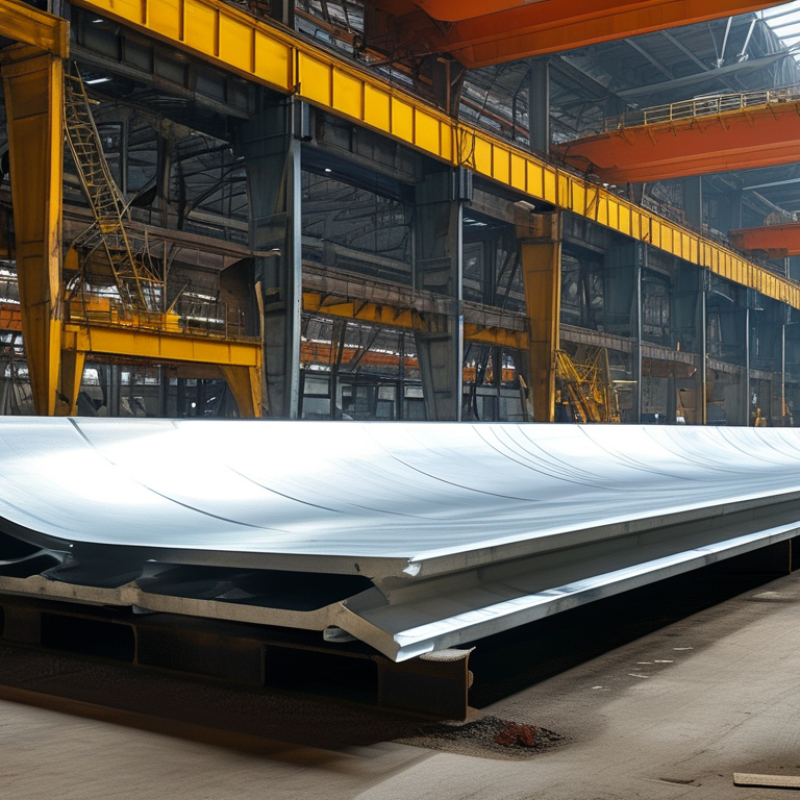
Benefits of Aluminum's Lightweight Nature for Efficient Transport
Aluminum's lightweight nature is a significant advantage for transport efficiency. According to a report by the International Aluminum Institute, aluminum weighs about one-third of steel. This reduction in weight allows companies to enhance fuel efficiency. Transporting aluminum instead of steel can lower transportation costs by up to 30%. Such savings are crucial for manufacturers and logistics providers.
The lighter material also has implications for vehicle design. Vehicles made from aluminum can carry more payload without exceeding weight limits. For instance, reducing a car's weight by 10% can improve fuel efficiency by 5-7%. The automotive industry increasingly favors aluminum for this reason, as it aligns with global sustainability goals. However, some industries are still hesitant, partly due to the higher initial cost of aluminum compared to steel. This perceived barrier must be addressed, given the long-term savings in transport and efficiency.
Moreover, aluminum's resistance to corrosion enhances its lifespan. A longer lifespan translates to reduced maintenance costs over time. Yet, not all buyers recognize these benefits. Education on these advantages is essential for informed decision-making. While aluminum presents clear advantages, the industry still needs to communicate its value effectively to potential buyers.
Corrosion Resistance: How Aluminum Outperforms Steel in Longevity
Aluminum provides a significant advantage over steel when it comes to corrosion resistance. A report by the American Society for Testing and Materials (ASTM) highlights that aluminum naturally generates a protective oxide layer when exposed to oxygen. This barrier effectively prevents further oxidation, ensuring longevity. In contrast, steel requires coatings or treatments to achieve similar protection, which can wear off over time.
Due to its corrosion resistance, aluminum structures often last longer in harsh environments. The corrosion rate of aluminum in seawater is approximately 0.12 mm per year, according to the National Material Advisory Board (NMAB). Steel, on the other hand, can corrode at a much higher rate, especially if not properly maintained. As a result, aluminum components can reduce maintenance costs over their lifespan.
Additionally, aluminum's lightweight nature further enhances its usability. It offers high strength-to-weight ratios, which translates to less strain on supporting structures. Adopting aluminum could lead to innovative designs that steel cannot achieve. However, the initial cost of aluminum may deter some buyers. It’s essential to weigh short-term expenses against the long-term benefits of durability and reduced maintenance needs. So, while aluminum presents challenges, especially in cost, its corrosion resistance remains a compelling reason to consider it over steel.
Cost-Effectiveness: Comparing the Lifecycle Costs of Aluminum and Steel
When comparing aluminum and steel, lifecycle costs become a significant factor. Aluminum often shines in this area due to its lightweight nature. This characteristic reduces transportation and installation costs. Plus, aluminum’s resistance to corrosion means it requires less maintenance over time. Think about long-term savings, not just initial costs.
One point to consider is the energy required for production. While aluminum generally requires more energy to produce, its lightweight properties may lead to energy savings during use. This trade-off can balance out over the product's lifecycle.
Tips: Look for applications where the weight savings of aluminum can reduce transportation costs. Also, evaluate your specific needs. Sometimes, the upfront costs of aluminum might seem higher, but think about its longevity. Investing in quality materials today can save money tomorrow. An informed decision requires weighing these factors carefully.
Top 5 Advantages of Aluminum Over Steel for Buyers
| Advantage |
Aluminum |
Steel |
| Weight |
Lightweight, easier to handle and transport |
Heavier, more cumbersome to manage |
| Corrosion Resistance |
Naturally resistant to rust and corrosion |
Prone to rust without proper coating |
| Thermal Conductivity |
Excellent thermal conductor, ideal for heat-sensitive applications |
Good thermal properties but less efficient |
| Recyclability |
Highly recyclable, reduces environmental impact |
Recyclable, but with higher energy costs |
| Cost-Effectiveness |
Lower lifecycle costs with longevity and reduced maintenance |
Higher maintenance and replacement costs over time |
Design Flexibility: Advantages of Aluminum in Various Applications
Aluminum offers remarkable design flexibility compared to steel, making it an attractive option for many buyers. Its lightweight nature allows for intricate shapes and forms, which is often difficult to achieve with steel. According to a recent industry report from the Aluminum Association, aluminum can be repurposed and recycled with minimal waste, enhancing its appeal for environmentally conscious designs.
In architectural applications, aluminum can mimic the look of other materials while remaining lightweight. This versatility supports a range of styles, enabling creative freedom in both commercial and residential projects. Additionally, aluminum's resistance to corrosion allows it to maintain its aesthetic appeal over time. Data from market research firm Smithers Pira shows that aluminum's adaptability contributes to its rising demand, projected to grow by 15% over the next five years.
Tip: When considering aluminum for your project, evaluate its thermal and electrical conductivity. These properties can impact design efficiencies and overall performance. Also, note that while aluminum may have a higher upfront cost, its longevity can lead to cost savings over time.
Top 5 Advantages of Aluminum Over Steel
This chart illustrates the top five advantages of aluminum over steel based on various important criteria. The advantages are rated from 0 to 10, showcasing aluminum's superior qualities such as weight, corrosion resistance, design flexibility, thermal conductivity, and recyclability.
Sustainability and Recyclability of Aluminum Compared to Steel
Aluminum is increasingly recognized for its sustainability and recyclability. According to the International Aluminum Institute, 75% of all aluminum ever produced is still in use today. This statistic highlights the metal's long life cycle and potential for recycling, making it a preferred option for environmentally conscious buyers. Aluminum can be recycled indefinitely without losing quality, unlike steel, which may degrade over time. This feature significantly reduces the demand for virgin resources.
The energy consumption for recycling aluminum is about 95% less than that required for primary aluminum production. In 2020, aluminum recycling saved approximately 90 million metric tons of greenhouse gas emissions globally. While steel recycling is also beneficial, its process is energy-intensive and not as efficient as aluminum. The recycling rate for aluminum stands at around 75%, while for steel, it is about 70%. This slight difference reflects the versatility of aluminum in various applications while maintaining a lower environmental footprint.
Despite its advantages, challenges exist. Some buyers remain unaware of aluminum's recycling capabilities. Additionally, aluminum production has its own environmental impacts, particularly during extraction and processing. This highlights a need for continuous improvement in eco-friendly practices across the industry. As discussions on materials continue, buyers are encouraged to evaluate all factors when making informed decisions.
FAQS
: Aluminum generates a protective oxide layer, preventing further oxidation and ensuring longer life. Steel needs coatings that can wear off.
Aluminum corrodes in seawater at around 0.12 mm per year, while steel's corrosion rate can be much higher if unmaintained.
Aluminum’s lightweight nature reduces transportation and installation costs, and its corrosion resistance lowers maintenance needs over time.
The energy required for production influences lifecycle costs. Aluminum often needs more energy initially, but saves during use.
Consider short-term vs. long-term expenses. Although aluminum may cost more upfront, its durability can lead to savings.
The upfront costs can be high, which may deter some buyers. It's essential to think about long-term benefits versus initial expenses.
Aluminum's lightweight nature reduces strain on supporting structures. This opens the door for innovative designs that steel can't achieve.
Yes, aluminum lasts longer in harsh environments due to its corrosion resistance, making it a reliable option for such situations.
Each project has unique requirements. It’s vital to evaluate how weight savings and material longevity can affect overall costs.
The initial energy cost is higher for aluminum, but its lightweight properties can lead to overall energy savings when in use.
Conclusion
When considering what are the advantages of aluminum over steel, several key factors come into play. Firstly, aluminum's lightweight nature facilitates efficient transport and ease of handling, making it a preferred choice in applications where weight is a critical concern. Additionally, aluminum exhibits superior corrosion resistance compared to steel, resulting in longer-lasting products with reduced maintenance costs over time.
Moreover, the cost-effectiveness of aluminum should not be overlooked, as its lifecycle costs often compare favorably with those of steel due to lower maintenance and replacement needs. Its inherent design flexibility allows for creative applications across various industries, accommodating innovative designs while maintaining structural integrity. Lastly, aluminum's sustainability and recyclability further enhance its appeal, offering environmentally friendly advantages that steel cannot match, thereby positioning aluminum as a leading material choice for modern buyers.

 Ramparts BuildCore